A hotel may take meaningful steps to reduce plastic use, separate waste, train staff, and engage guests in sustainability efforts. Yet one essential question remains:
“Can a hotel truly be sustainable if the destination system around it is not?”
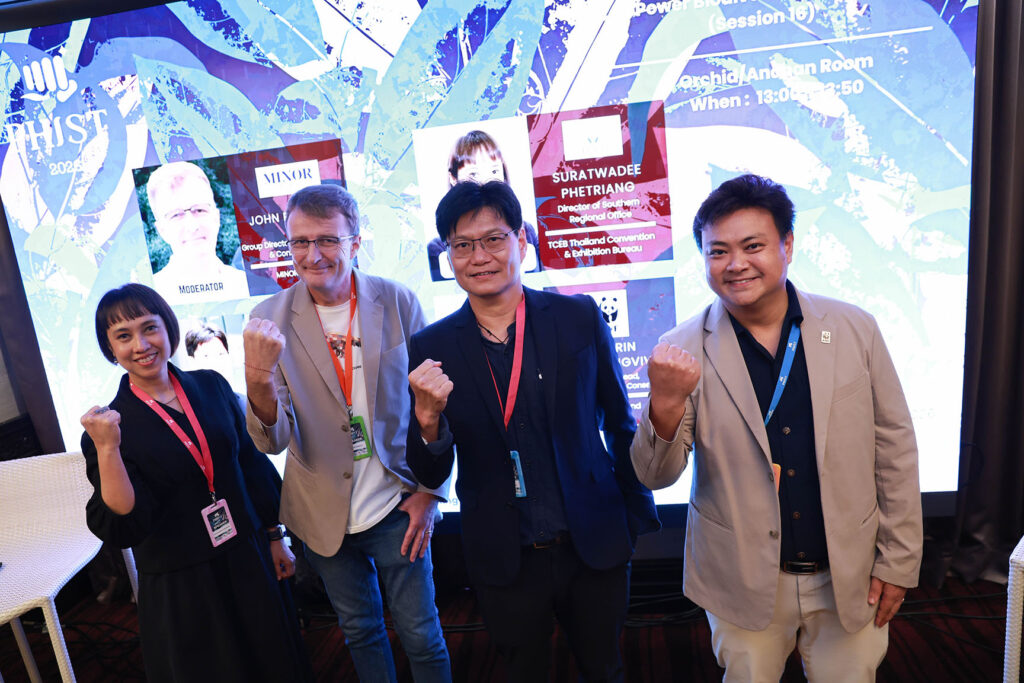
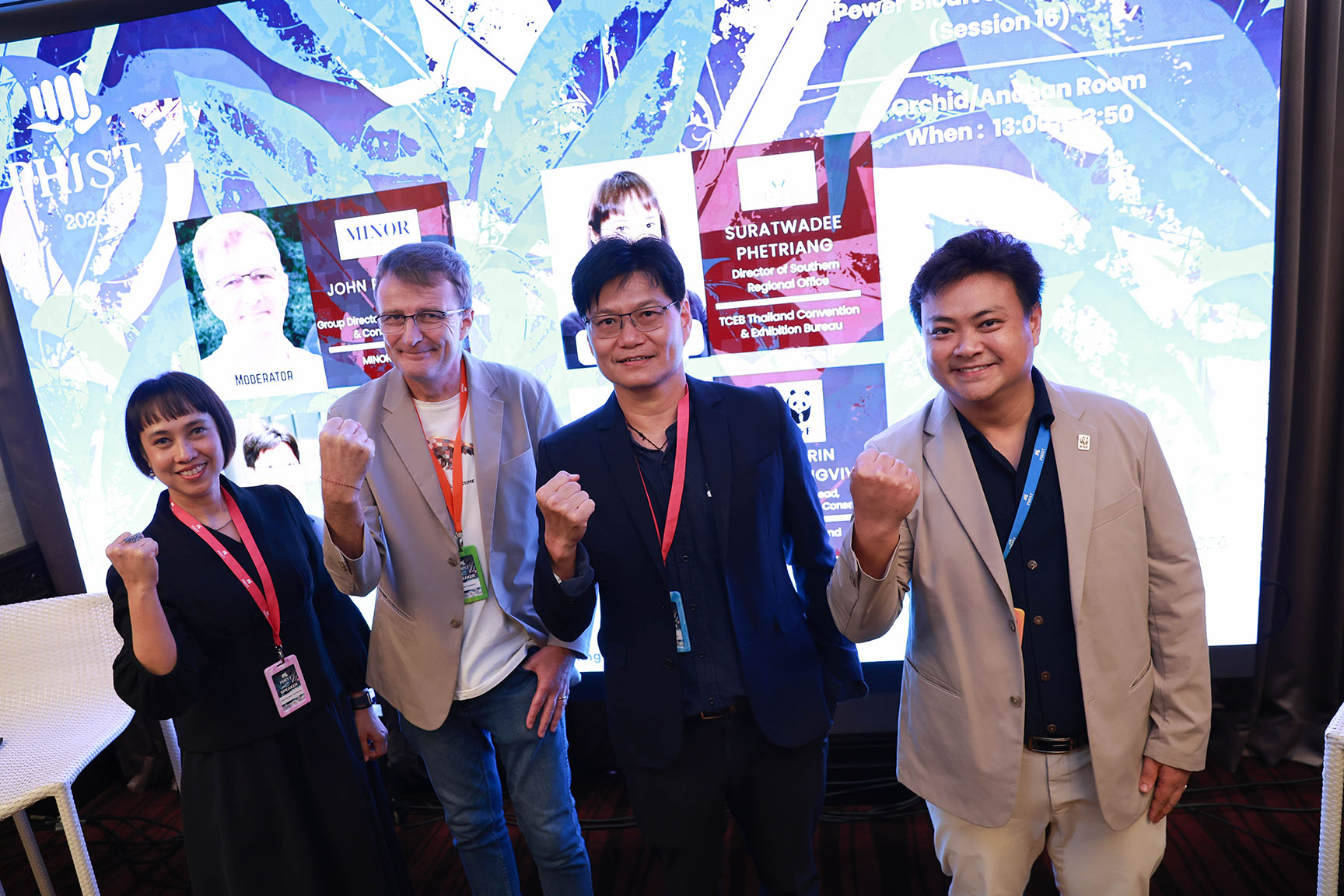
This was the central question raised by Mr. Eknarin Ariyavongvivat, Programme Lead, Marine and Coastal Conservation of WWF Thailand, during PHIST 2026 – Sustainable Learning Event for Hospitality and Tourism, in Session 16: “Nature, People, Prosperity: How Tourism Can Power Biodiversity Conservation.” The session brought together perspectives from the business, tourism, and conservation sectors to explore how the tourism industry can contribute to protecting biodiversity. The event was held on 7 September 2026 at Angsana Laguna Phuket and organised by the Phuket Hotels Association.


In WWF Thailand’s presentation, “Beyond the Hotel Fence: Turning Biodiversity Risk into Destination-Level Action,” lessons from Koh Tao were presented to illustrate that sustainability does not end when a hotel has successfully “separated its waste.” Rather, it depends on everything that happens afterward, from collection, sorting, and storage, to transportation off the island, and ultimately the availability of markets or facilities capable of bringing materials back into the system.
One of the key messages from the presentation was:
“Separation is not circularity. A functioning system is.”
Waste separation alone does not constitute a circular economy. The entire value chain must function effectively.
The case of Koh Tao demonstrates that if any part of the waste management system fails, whether in collection, transportation, or end-of-life processing, strong sustainability efforts within individual hotels may still fall short of delivering meaningful environmental outcomes. When waste leaks from the management system, it can place increasing pressure on coastal and marine ecosystems, the very natural assets upon which tourism depends.
However, a “system” is about more than infrastructure alone.
Another lesson from WWF Thailand’s work under the TCCF-IWPs Project in Surat Thani Province highlights that a circular economy cannot function without the people who make the system work. These include local communities, entrepreneurs, waste collectors, recycling traders, collection and sorting centres, and recycling markets.

Building sustainability is therefore not only about technology or infrastructure. It is also about people’s capacity, quality of life, rights, safety, income opportunities, and access to markets. This is where the concept of Nature – People – Prosperity becomes tangible and meaningful.
Importantly, none of these outcomes can be achieved by a single hotel acting alone.
The next step for the tourism sector may be to move beyond making “our hotel” greener and toward ensuring that “our destination” becomes more resilient and capable of delivering positive outcomes for nature.
WWF Thailand encourages tourism businesses to ask themselves three simple questions:
Where does the waste from a hotel ultimately go?
Who are the people who make this system work?
What can we do together to strengthen it?
Because the future of sustainable tourism does not depend on a handful of sustainable hotels. It depends on creating Healthy Destinations where nature, people, and local economies can thrive together.