- Biodiversity indicators point to a vast decline in nature at a global scale, with Asia-Pacific’s biodiversity remaining under severe pressure, particularly freshwater ecosystems such as the Mekong River and its tributaries
- Recoveries in populations of green turtles, bluefin tuna, tigers, and southern African elephants show how conservation can be effective
- The energy, food and finance systems are the main drivers of nature loss, yet evidence indicates they can be transformed by triggering positive tipping points
Thailand (8 October 2026) – There has been a stark 73% decline in the average size of monitored wildlife populations over a 52-year period, according to WWF’s Living Planet Report (LPR) 2026. At the same time, the report finds that nature can recover if society follows clear pathways to trigger positive tipping points in energy, food and finance systems.
While the overall percentage change is consistent with the previous report, the updated assessment incorporates additional population data and a longer time series, reinforcing the continued scale of biodiversity loss. This aligns with estimates previously reported, and combined with other metrics, shows the scale of nature’s decline.
The Living Planet Index (LPI), produced by ZSL (Zoological Society of London), includes 35,803 population trends of 5,790 vertebrate species from 1970 to 2022. The report notes the strongest decline is in freshwater ecosystems (-85%), followed by terrestrial (-69%) and then marine (-59%).
Chris Howe, Director, Conservation Impact, Southeast Asia, said: “Asia’s rivers are sources of food, energy and climate resilience, as well as home to globally important wildlife, but they are under threat. Our rich deltas are shrinking and sinking, and fisheries that feed tens of millions of people are in serious decline, with about one in five fish species in the Mekong basin facing extinction. The decline in freshwater ecosystems is of serious concern for human wellbeing and sustainable development. Encouragingly, ongoing conservation efforts are delivering positive results. In the Mekong River, collaborative conservation efforts are helping safeguard the Critically Endangered Irrawaddy dolphin, a species that has long symbolized the river’s remarkable biodiversity and the wellbeing of the communities that depend on it. Sustaining this progress would demonstrate what is possible when governments, communities and conservation organizations work together to protect and restore freshwater ecosystems.”
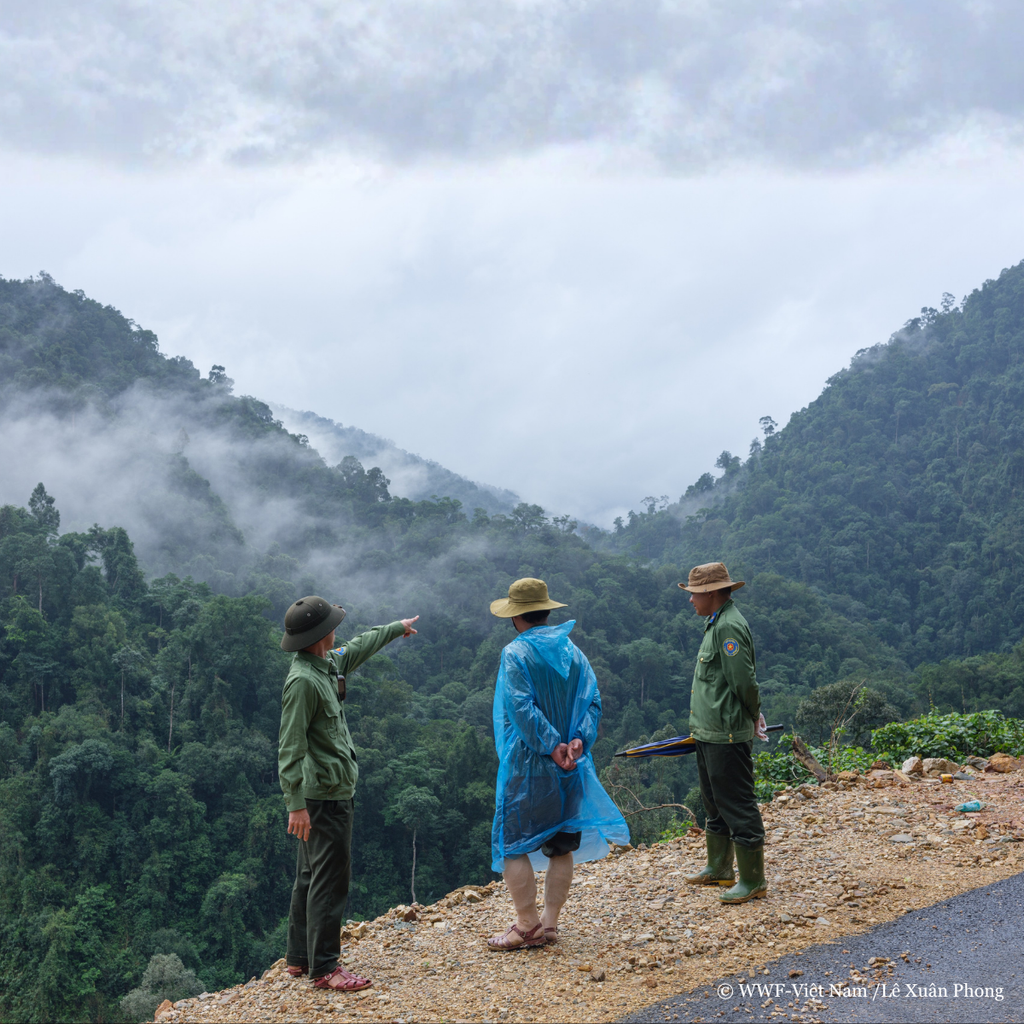
Habitat loss and degradation is the most frequently reported threat affecting monitored wildlife populations, followed by overexploitation, climate change, pollution, invasive species and disease. Across Asia and the Pacific, the cumulative impact of these pressures is contributing to declines across species groups, from Pacific island endemics threatened by invasive species to freshwater fish populations affected by overexploitation and habitat degradation in the lower Mekong. These threats are, in turn, driven by broader systemic failures across the food, energy and finance systems.
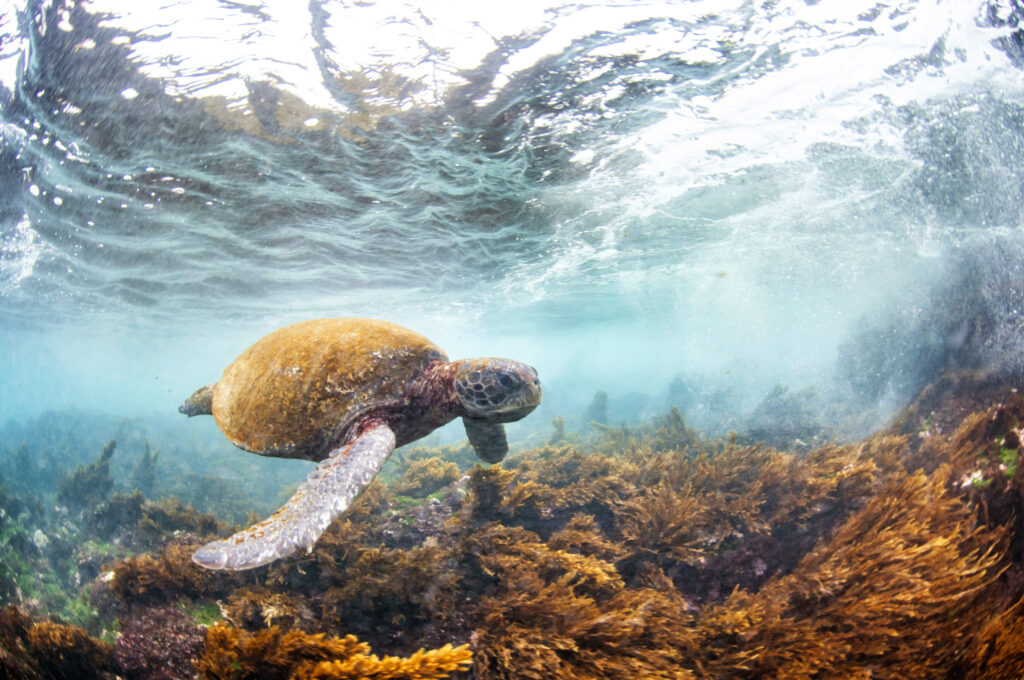
Although the overall trend is negative due to the magnitude of the declining trends, half of the populations included in the LPI are stable or increasing. The report also highlights recoveries in populations of green turtles, bluefin tuna, tigers and southern African elephants which demonstrate that targeted conservation interventions can deliver proven results.
This is evident across Asia and the Pacific. In Fiji, protected nesting beaches helped double green sea turtle nests in just three years. In Viet Nam, conservation efforts in Con Dao helped raise sea turtle hatching success to 87%. Tiger numbers are also increasing. In Thailand, it means seeing tiger cubs thriving alongside their mothers. In Kazakhstan, it means reestablishing a tiger population after more than 70 years of absence.
While not highlighted in the report, Mongolia’s critically endangered saiga antelope is making a remarkable comeback. As of January 2026, the national population has reached an estimated 28,857 individuals, a 24% increase from the previous year, driven by efforts to protect habitat, improve access to water, and work closely with local communities. The giant panda is also among the species showing a positive population trend in the Living Planet Index (LPI). In China, long-term community-led conservation is helping to protect and restore critical panda habitat, reducing pressures on forests and the pandas that call them home.
However, the declines registered by the LPI and other biodiversity indicators cannot be reversed by conservation efforts alone.


Dr Kirsten Schuijt, Director General of WWF International, said: “Biodiversity continues to be degraded at an alarming pace. Yet amid these steep declines, there are grounds for hope. The Living Planet Report 2026 highlights evidence that many species populations are stable or recovering, alongside inspiring stories that show nature can rebound and change is possible. Recoveries in populations of species like tigers, bluefin tuna and green turtles show what years of sustained collective conservation effort can achieve.
“To continue and expand these conservation successes, the industries and systems which drive nature loss need to be transformed. Progress is already underway. Not everywhere, and not yet at the scale required, but enough to demonstrate that change is possible. It’s time to accelerate the scale of those systemic changes already underway and work together in harmony with nature to build a more sustainable, equitable, and resilient world. Together we can restore our living planet.”
From negative to positive tipping points
Biodiversity underpins economies and societies, providing food, water, clean air and medicine among other services and goods. However, three systems are primarily driving the destruction of nature: the food system is the leading cause of habitat loss, the energy system fuels climate change, while the finance system bankrolls harmful activities. Large, complex systems can be resistant to change but can be transformed for the better by creating the conditions to trigger positive tipping points.
While environmental tipping points are often discussed in the context of risks, such as the collapse of coral reefs or the loss of the Amazon rainforest as a carbon sink, the same dynamics can also drive rapid positive change. The Living Planet Report includes research by the University of Exeter which finds that a positive tipping point can happen when a system crosses a threshold into a healthier state, and the change becomes self-reinforcing – getting faster, cheaper and harder to reverse.
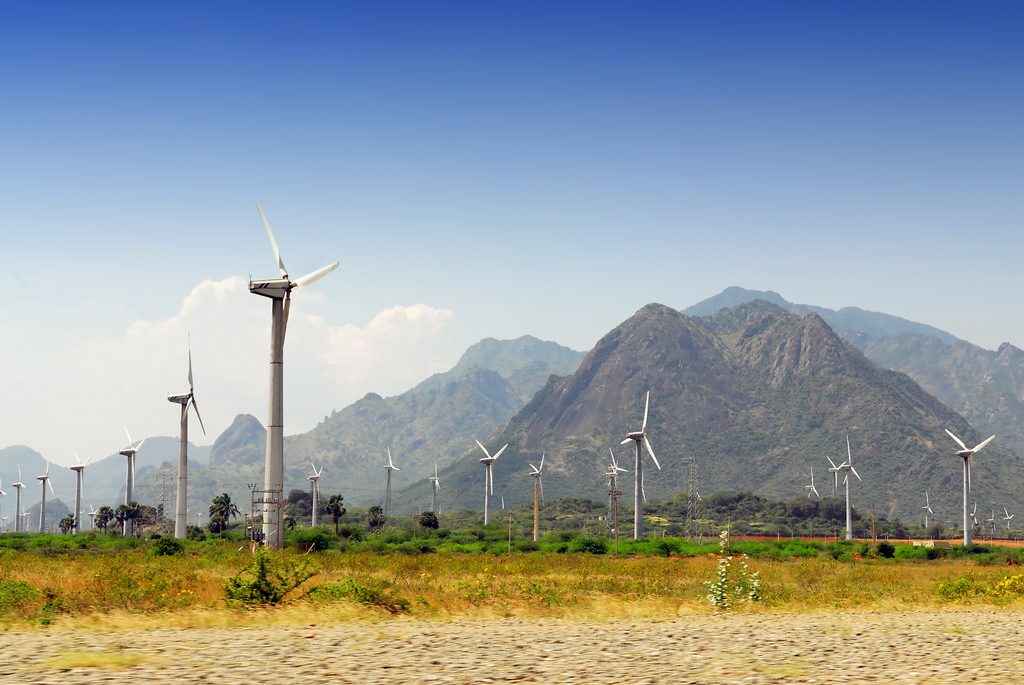
- Energy: A positive tipping point has been passed in the energy sector and change is accelerating, with solar power now the cheapest source of new electricity generation in most countries. In Vietnam, industrial electrification has the potential to avoid 5.6 million tonnes of CO₂ emissions as renewable energy solutions are accelerating climate action while improving livelihoods and ecosystem resilience. Despite this momentum, the energy transition is not yet happening fast enough, and progress varies significantly between countries and sectors.
- Food and agriculture: Positive change is underway and showing early signs of progressing toward a tipping point, with many people and organizations around the world working towards nature-positive production, promoting sustainable trade and consumption, encouraging healthy and sustainable diets, and reducing food loss and waste. In Myanmar, mud crab aquaculture is helping restore Myanmar’s threatened mangrove forests, contributing to biodiversity recovery, food security, livelihood opportunities and climate resilience.
- Finance: The finance system is still in the early stages of building toward a tipping point, with the sector needing to work rapidly towards stopping the financing of harmful activities, valuing nature and climate as material risks, creating regulatory certainty, and closing an annual US$1.3 trillion biodiversity finance gap. While significant challenges remain, innovative financing mechanisms are starting to emerge. For example, the Tropical Forest Forever Facility brings together more than 60 nations and international partners with the aim to provide long term financial incentives for conservation of standing forests.
An opportunity for action
These systemic shifts can be achieved if countries focus on delivering the goals they have agreed to under the Kunming-Montreal Global Biodiversity Framework (KMGBF) and Paris Agreement. With UN conferences on biodiversity and climate taking place in the next two months, governments have a vital opportunity to accelerate the move from ambition to implementation.
Coming first is biodiversity COP17 starting on 19 October in Yerevan, Armenia. Achieving the 2030 biodiversity targets – including halting and reversing biodiversity loss – will require faster implementation, greater investment, stronger political leadership and deeper action across the whole economy and society. Transforming long-established systems will only be successful if the transition is fair and inclusive.
Dr. Andrew Terry, Chief Conservation Officer at ZSL, said: “Abundant wildlife populations, and the intricate web of interactions between them, underpin the healthy ecosystems that allow us all to thrive. There is no workaround for this; human wellbeing and economic security depend on us working with nature, rather than against it.
“For too long, nature has been undervalued, and the Living Planet Index shows us the consequences – but these declines are not inevitable, and change is possible. Nature can recover, and the stories within the Index are a powerful reminder of this.
“Our global teams have seen species and ecosystems rebound when threats are reduced and conservation action is sustained. The more people join us in taking decisive and rapid action to protect wildlife and ecosystems across the globe, the sooner we can turn knowledge into action and reach positive tipping points to secure a healthier, more resilient future.”