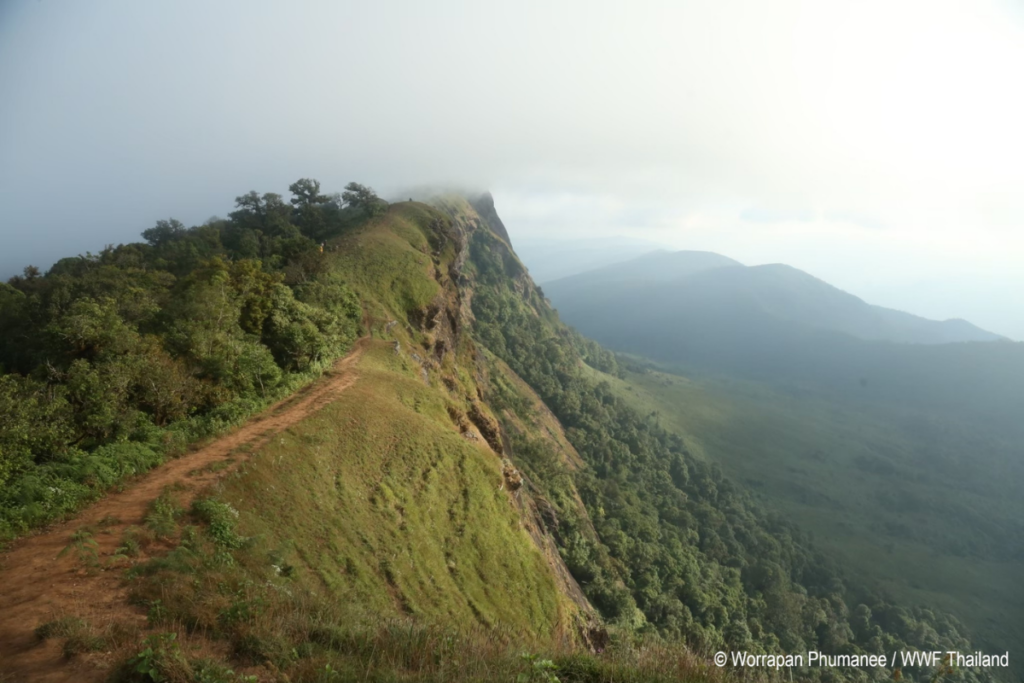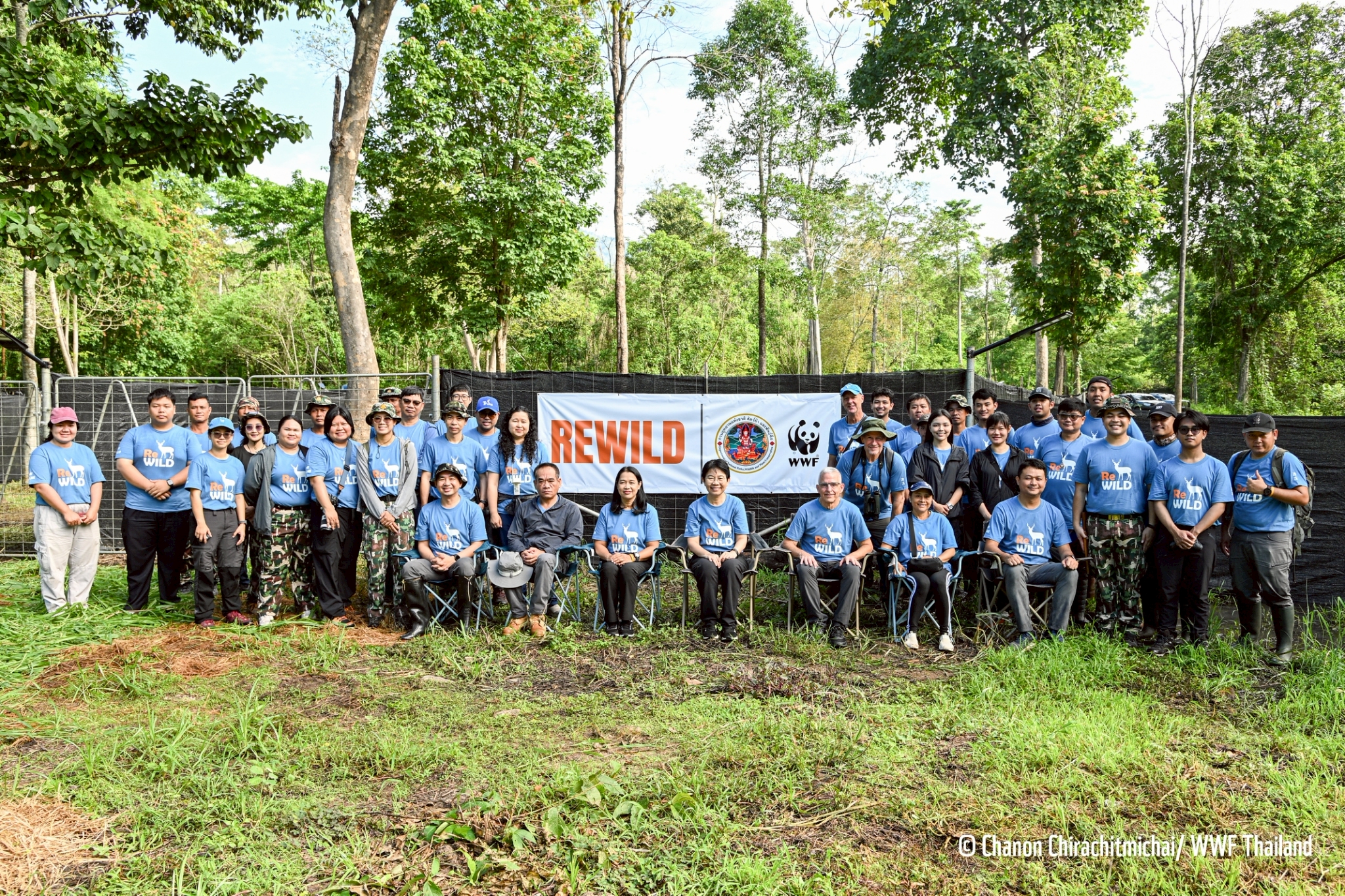
The Department of National Parks, Wildlife and Plant Conservation, together with WWF Thailand, continues efforts to restore large ungulate populations and strengthen ecosystem integrity through the ongoing sambar reintroduction programme.
Now in its sixth consecutive year since the programme began in 2021, a total of 154 sambar have been released into this forest of hope “Mae Wong – Khlong Lan”.
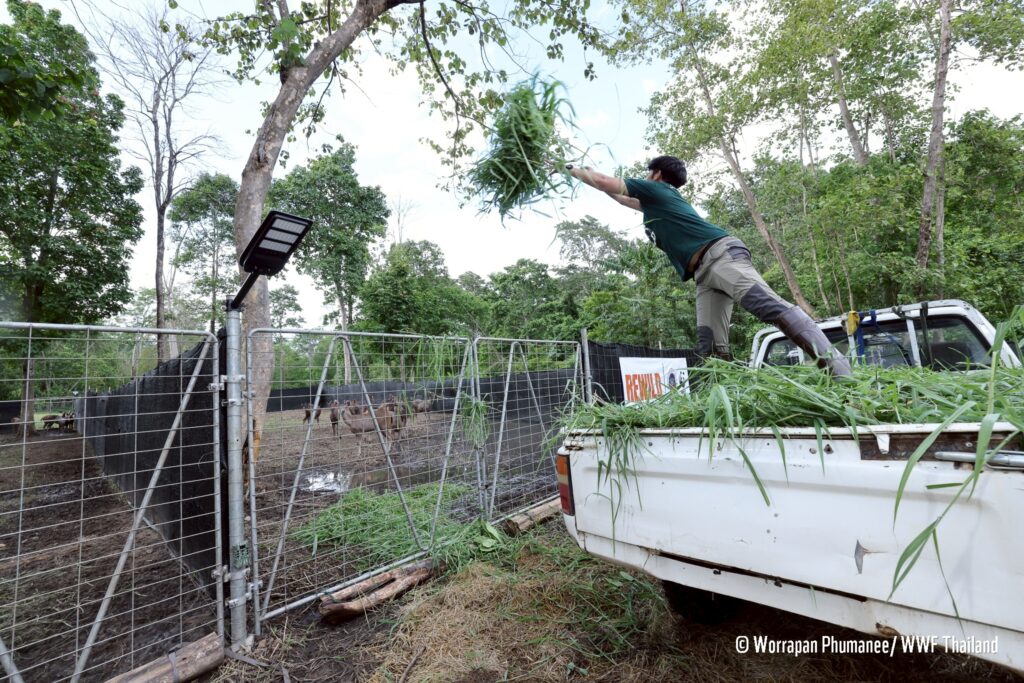
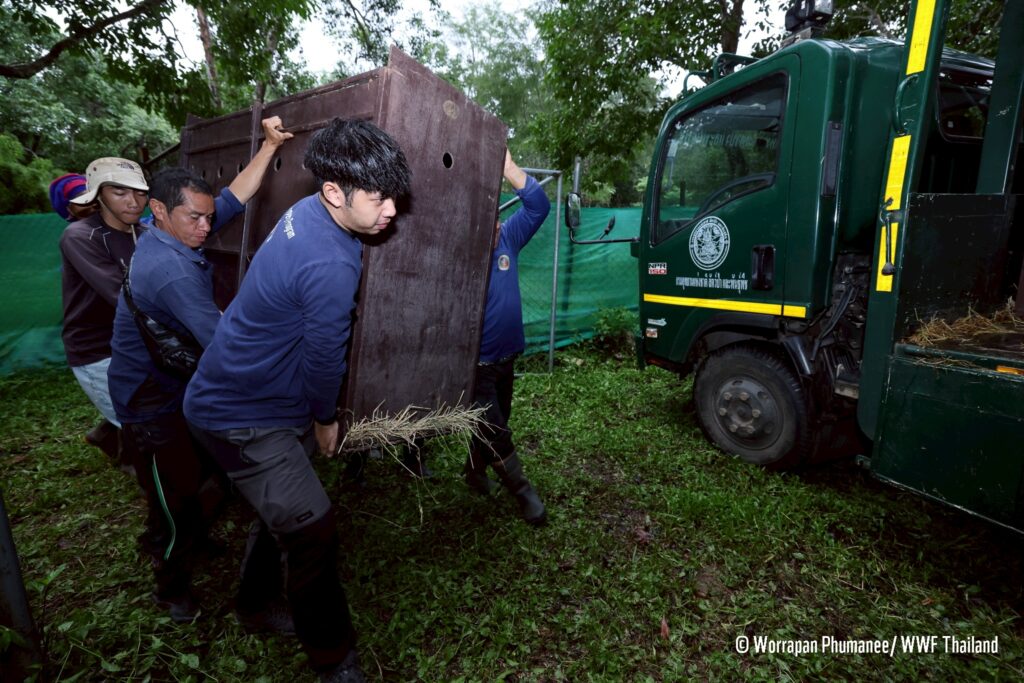
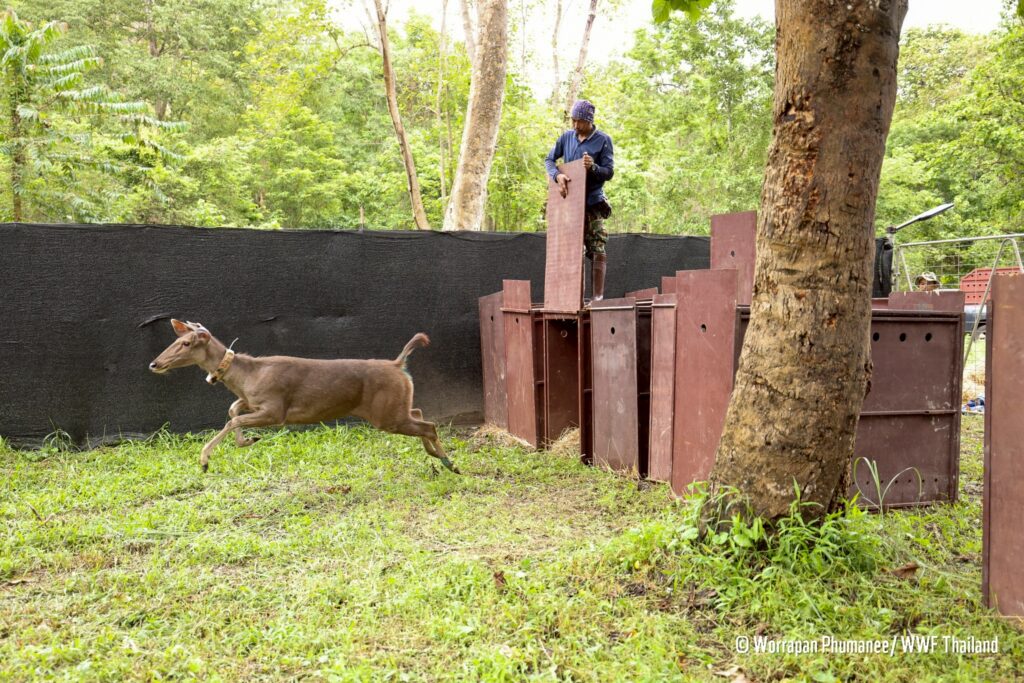
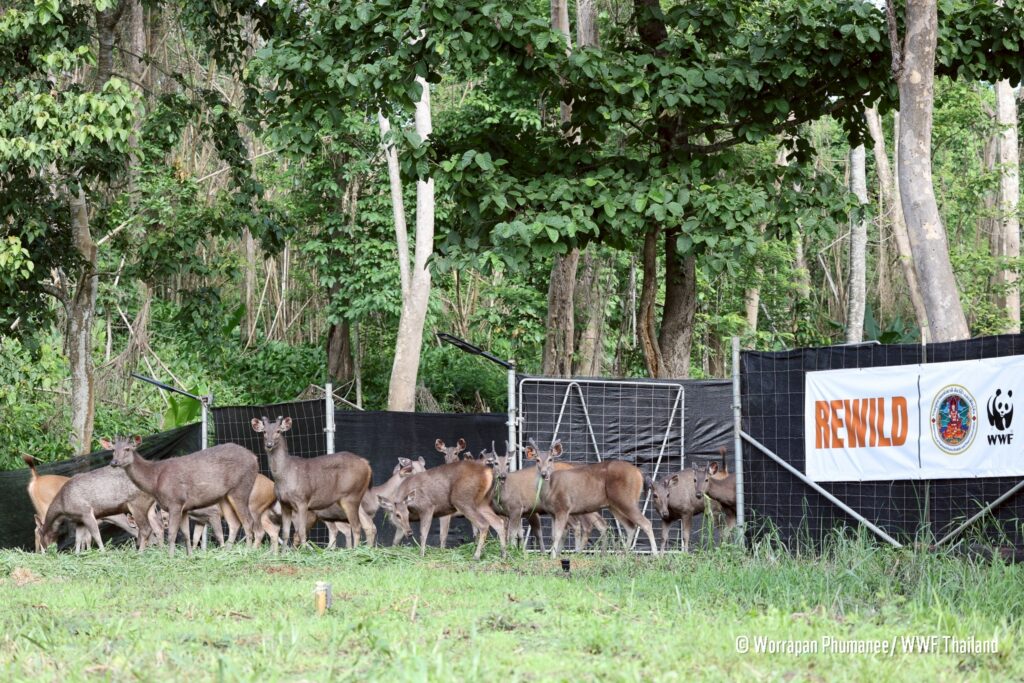
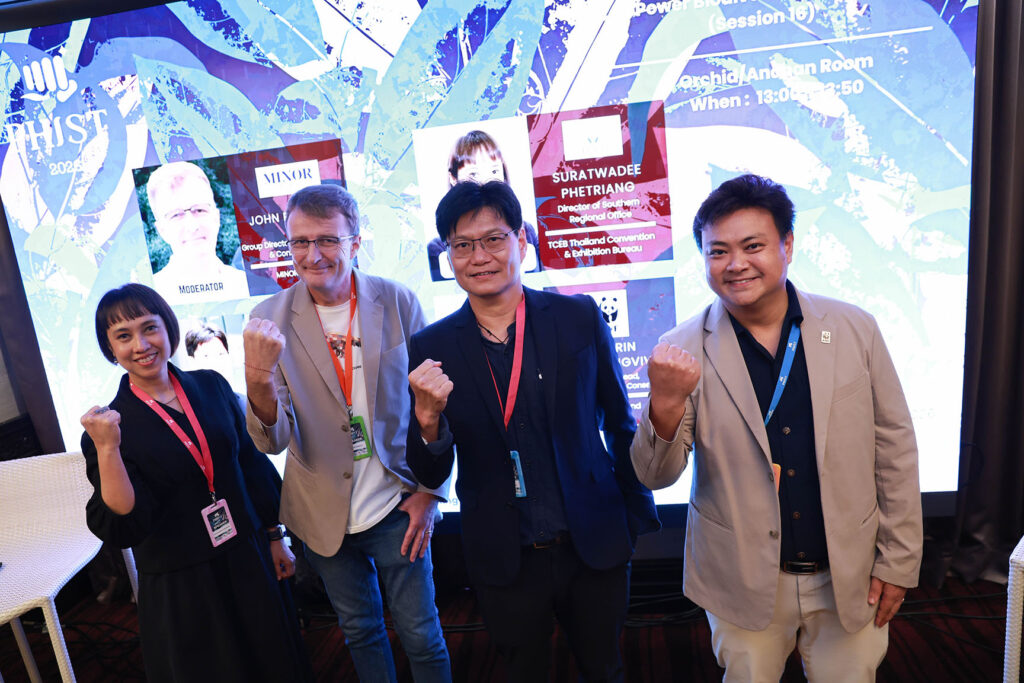
On 27 May 2026, a total of 20 sambar were successfully released back into the wild within Mae Wong National Park. All sambar were supported by Khao Kho Wildlife Breeding Centre. This important mission was joined by Dr. Somying Thunhikorn, Wildlife Conservation Specialist from the Wildlife Conservation Office, together with representatives including Sujitra Trakulloertrat, Director of the Forest and Wildlife Resources Cooperation Coordination Division, as well as staff from Protected Area Regional Office 12 (Nakhon Sawan), Khao Kho Wildlife Breeding Centre, Omkoi Wildlife Breeding Centre, Mae Wong and Khlong Lan National Parks, and Dr. Michael Jay Roy, Interim Country Director, along with the team from WWF Thailand.
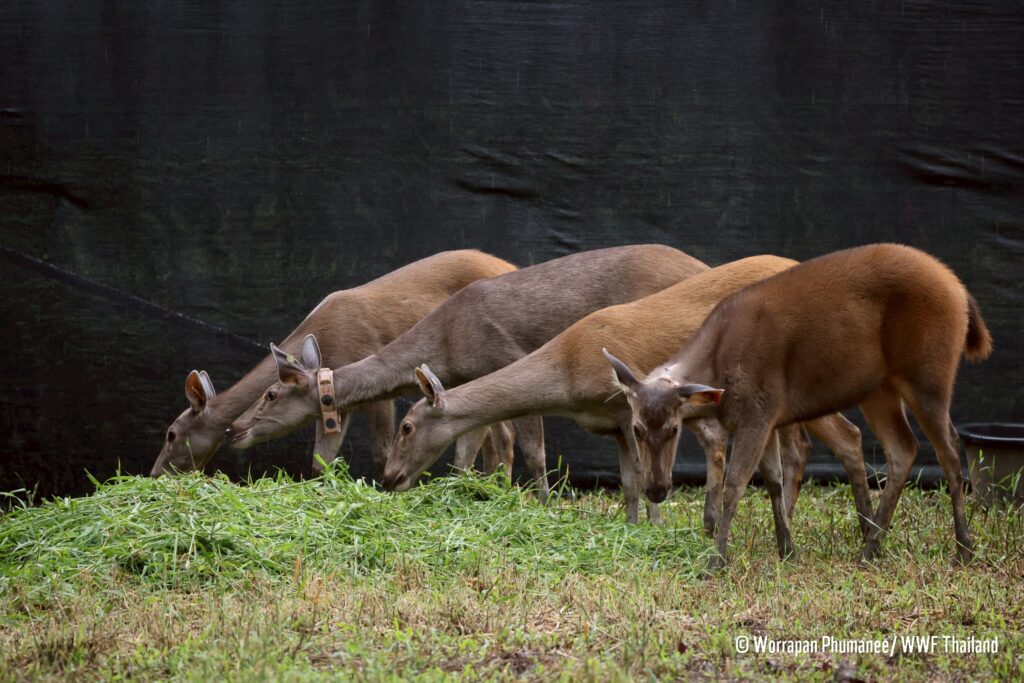
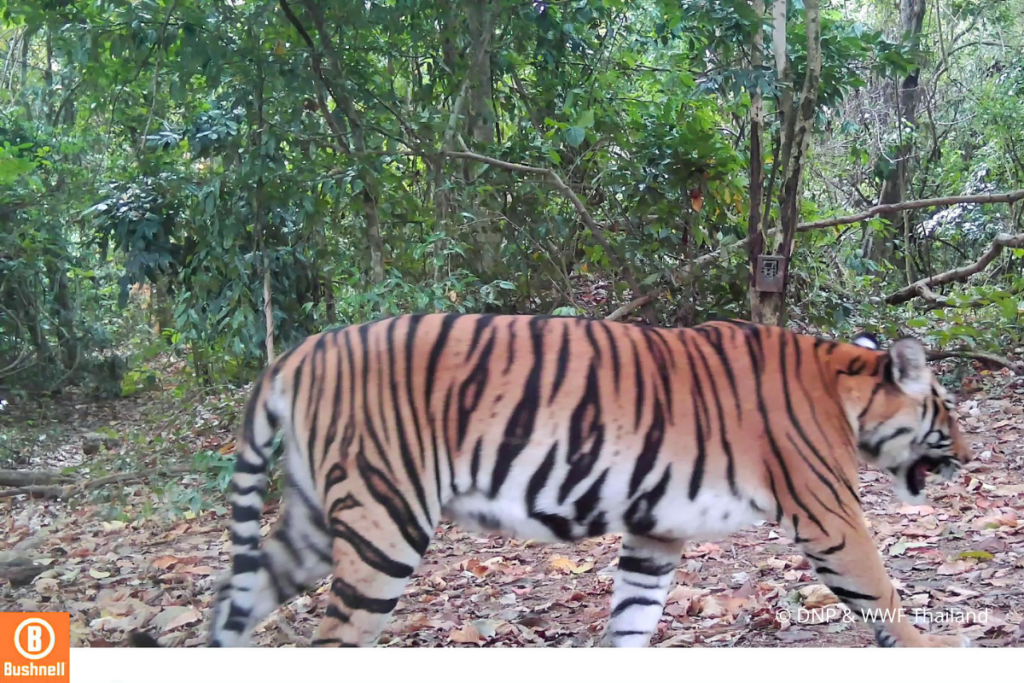
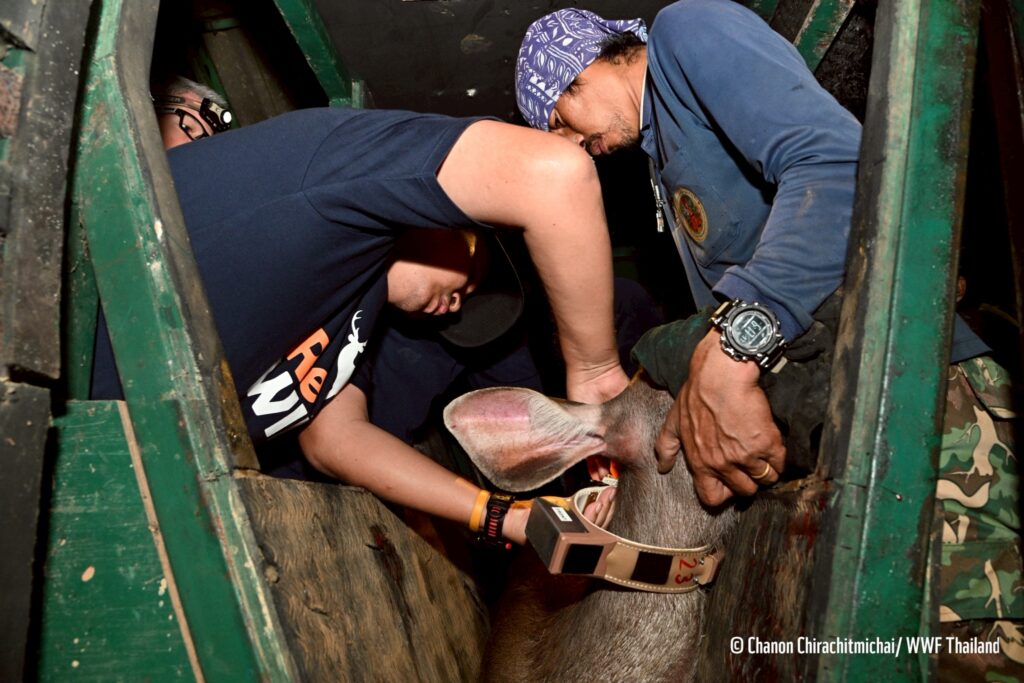
In addition, GPS collars were fitted on four sambar, and camera traps were installed to monitor survival, adaptation, movement, and habitat use in the wild. The data collected will provide valuable information for long-term wildlife conservation and population management.
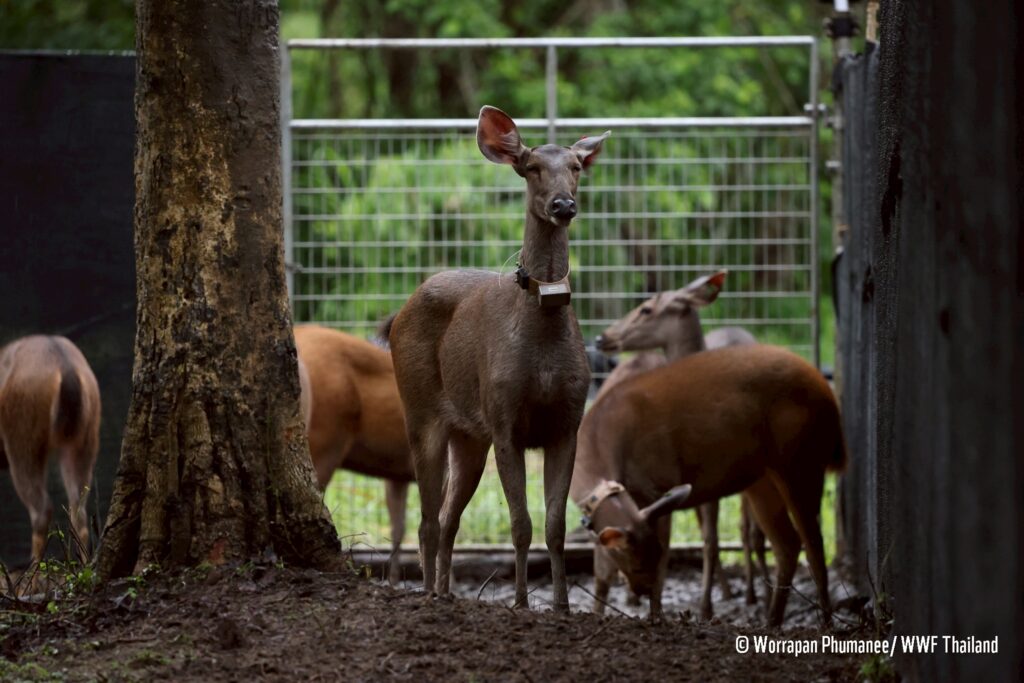
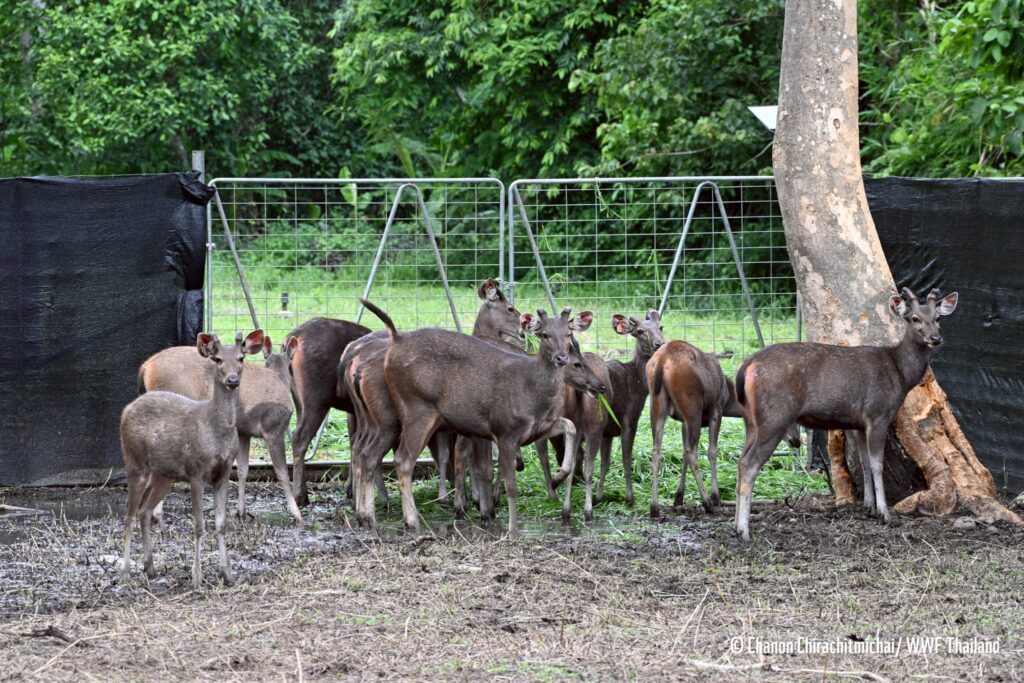
Sambar are important large herbivores that play a vital role in forest ecosystems, both as seed dispersers and as part of the forest food chain. However, wild populations continue to decline and are increasingly at risk of extinction.
🌱 Together, we can help protect wildlife and preserve the forests—the shared home of all living things—for generations to come.