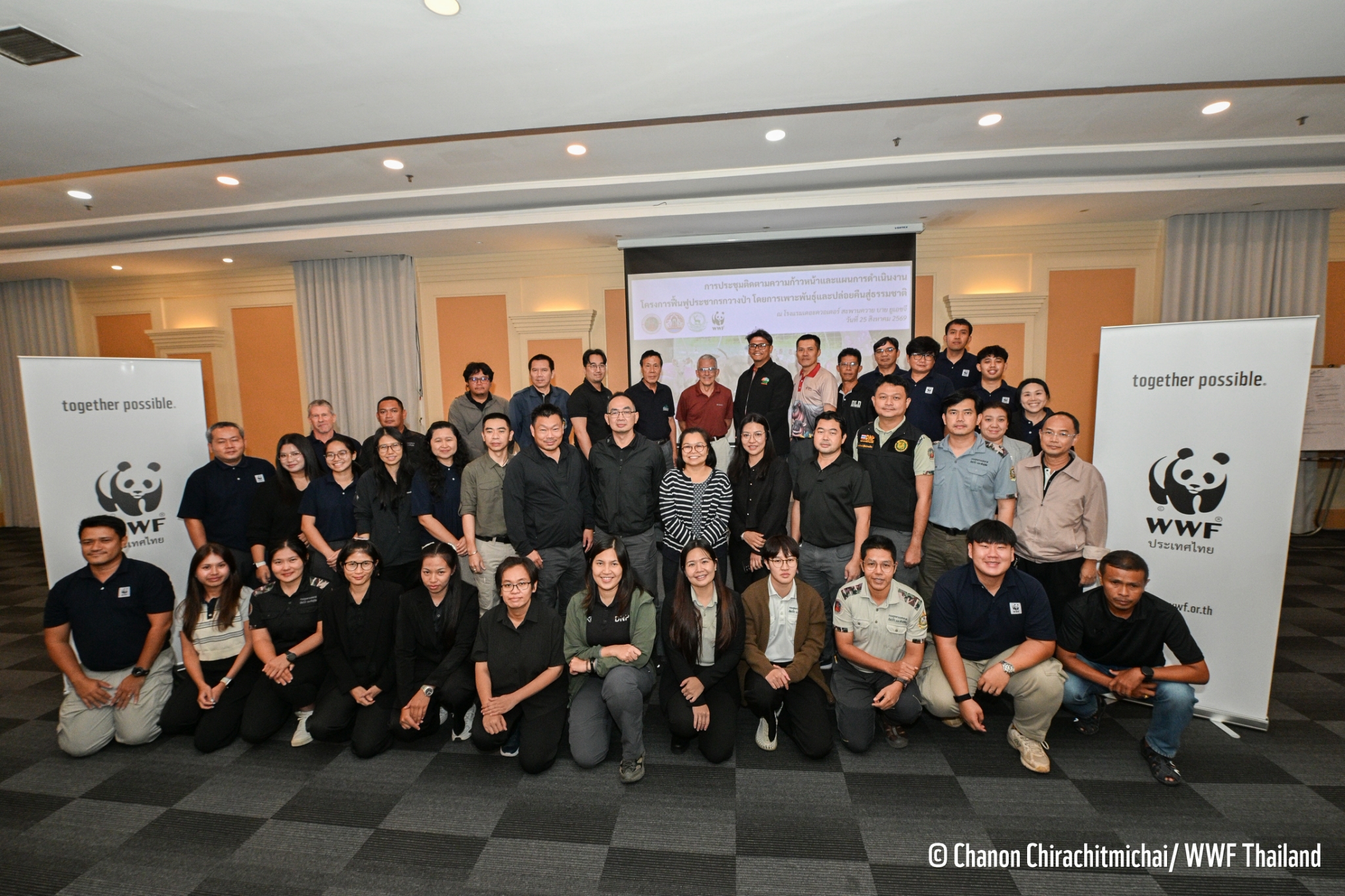
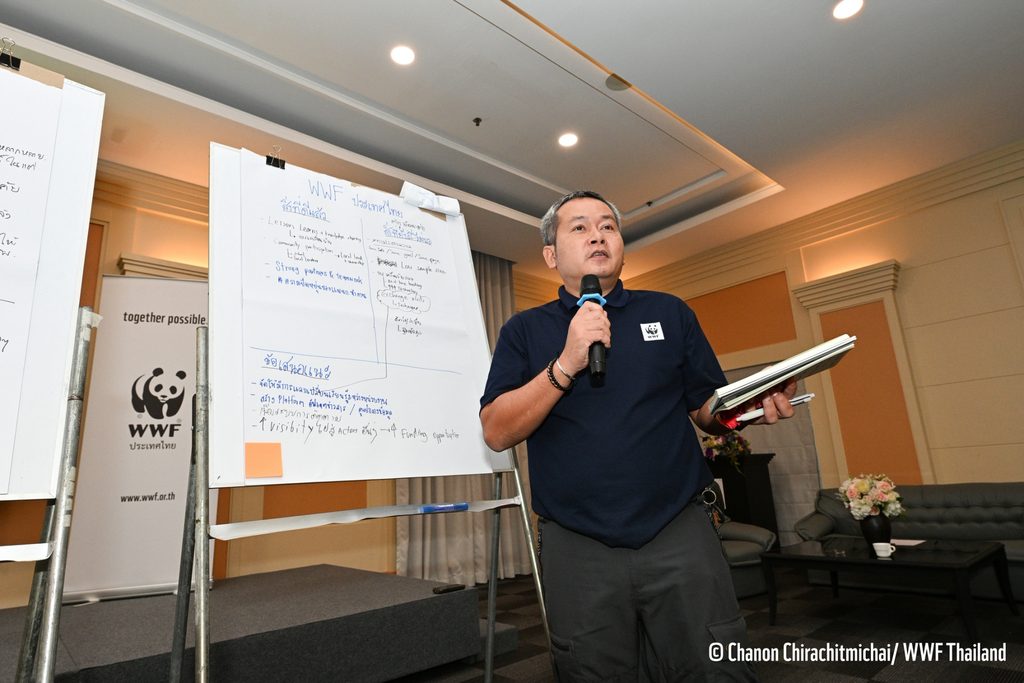
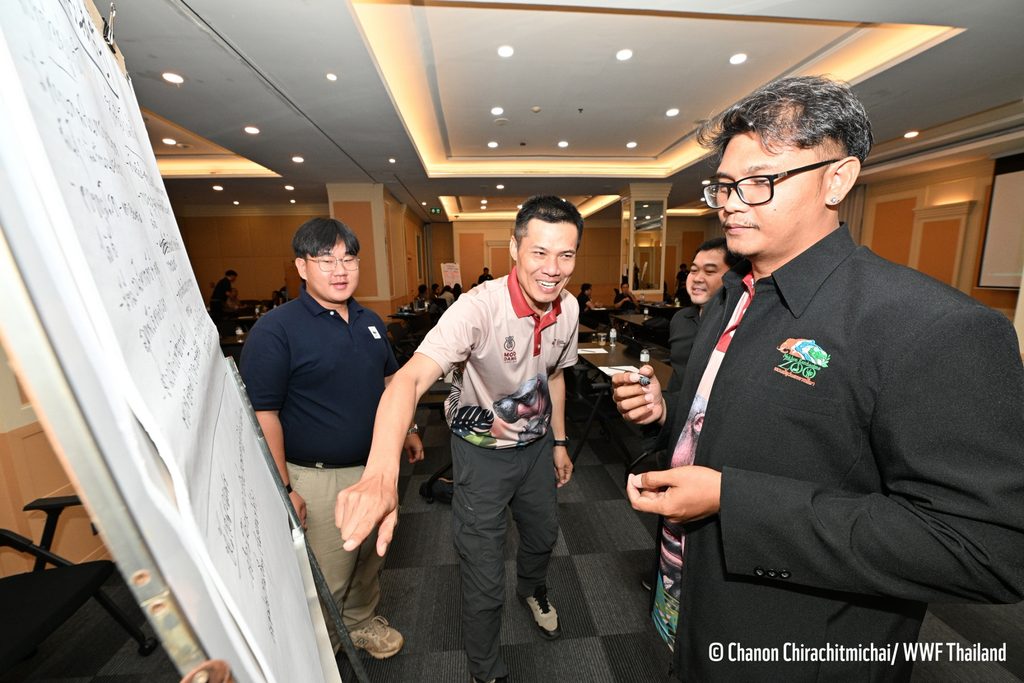
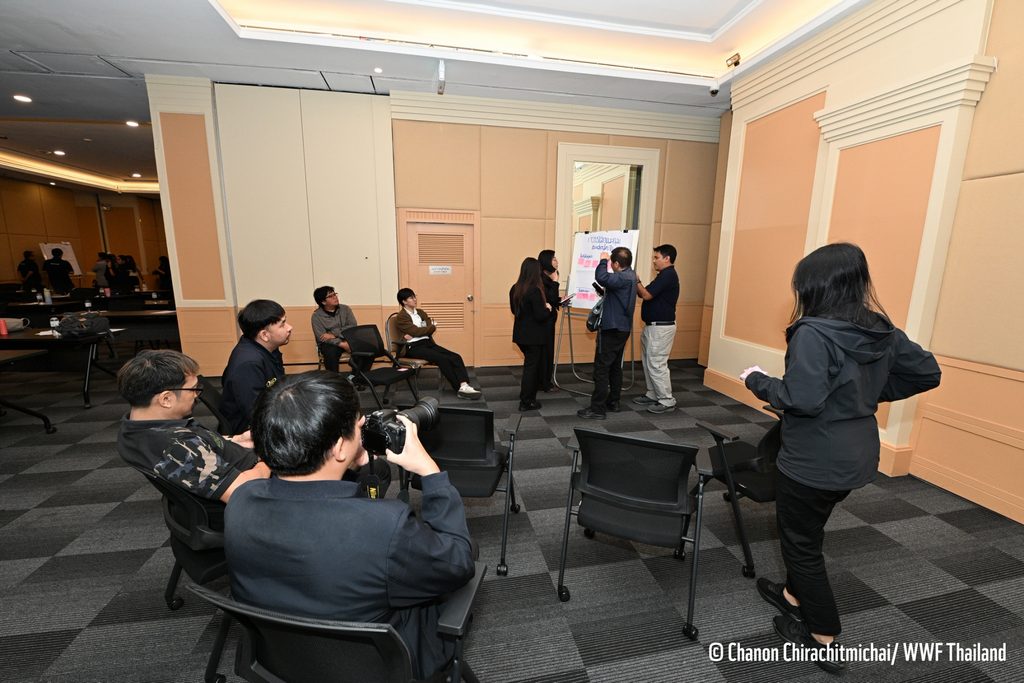
On 26 August 2026, WWF Thailand, in collaboration with the Department of National Parks, Wildlife and Plant Conservation, the Zoological Park Organisation of Thailand under the Royal Patronage of H.M. the King, and the Department of Livestock Development, convened a progress review meeting on the Sambar Deer Recovery Programme.
The meeting provided an opportunity to review project achievements since 2021, exchange updates on efforts to strengthen sambar deer populations for future reintroduction into the wild, assess programme outcomes, and jointly plan the next phase of implementation.
Participants included representatives from the Wildlife Breeding Division, wildlife breeding centres, Khlong Lan National Park, Mae Wong National Park, Salak Phra Wildlife Sanctuary, the Zoological Park Organisation of Thailand, and Nong Kwang Wildlife Research and Breeding Centre under the Department of Livestock Development.
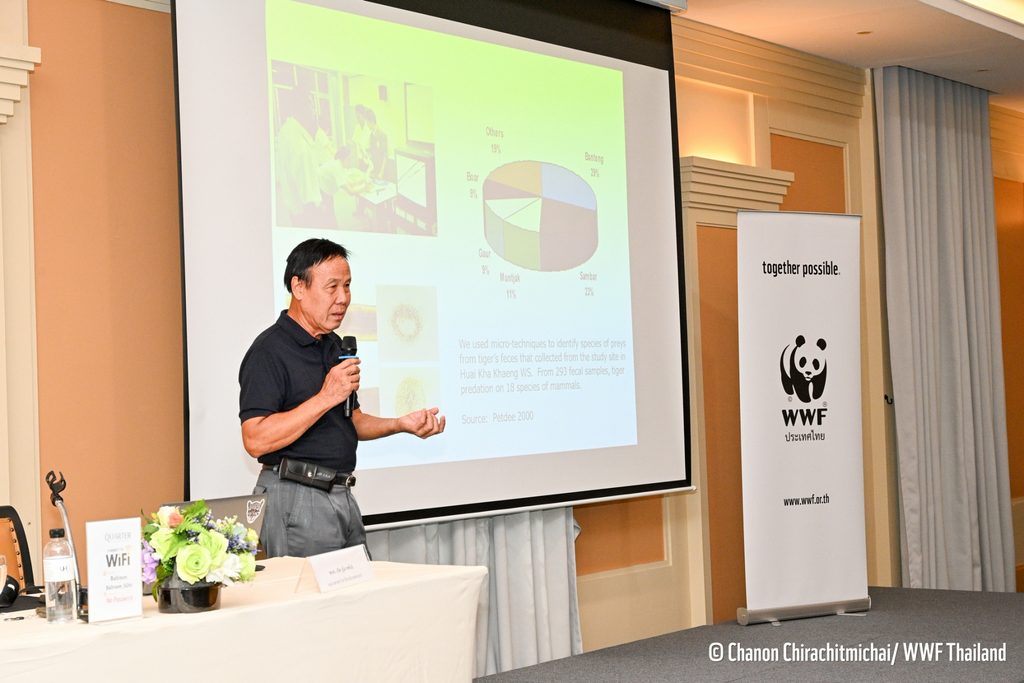

The programme featured expert presentations on key scientific aspects of sambar deer conservation. Dr. Naris Phumipakpan from the Faculty of Forestry, Kasetsart University, delivered a special lecture on the ecological role of sambar deer and their importance in maintaining healthy ecosystems. Dr. Manakorn Sukmak from the Faculty of Veterinary Medicine, Kasetsart University, presented on the genetics of captive sambar deer populations and the implications for long-term conservation management.
The meeting also provided a platform for participating organisations to reflect on lessons learned, share experiences, and develop recommendations to strengthen collaborative conservation efforts moving forward.
This ongoing partnership represents an important step toward restoring viable sambar deer populations in Thailand and supporting their successful return to natural habitats. Through science-based conservation, capacity building, and cross-sector collaboration, the programme aims to contribute to the long-term recovery of the species and the resilience of the ecosystems they help sustain.
This project is supported by IUCN Save Our Species’s Integrated Tiger Habitat Conservation Programme, funded by Bundesministerium für wirtschaftliche Zusammenarbeit und Entwicklung (BMZ) via KfW.