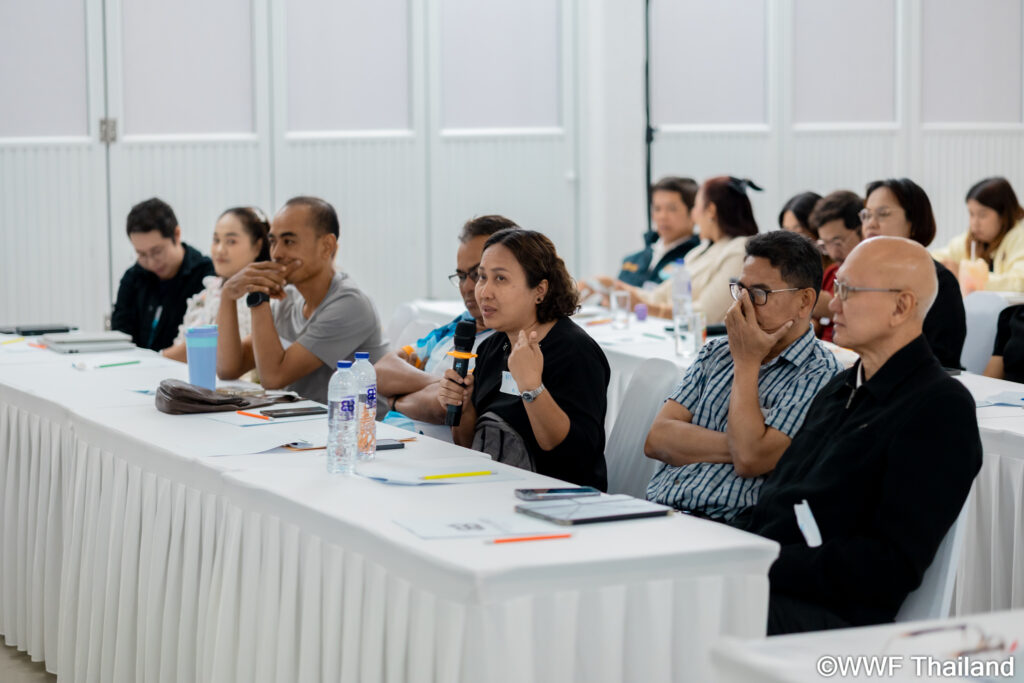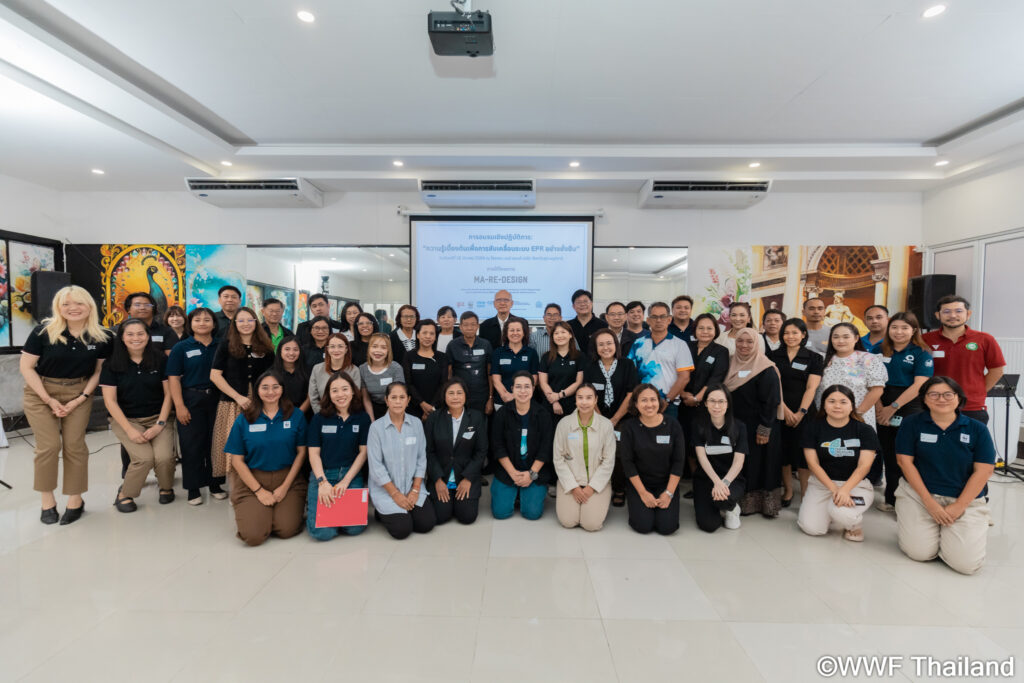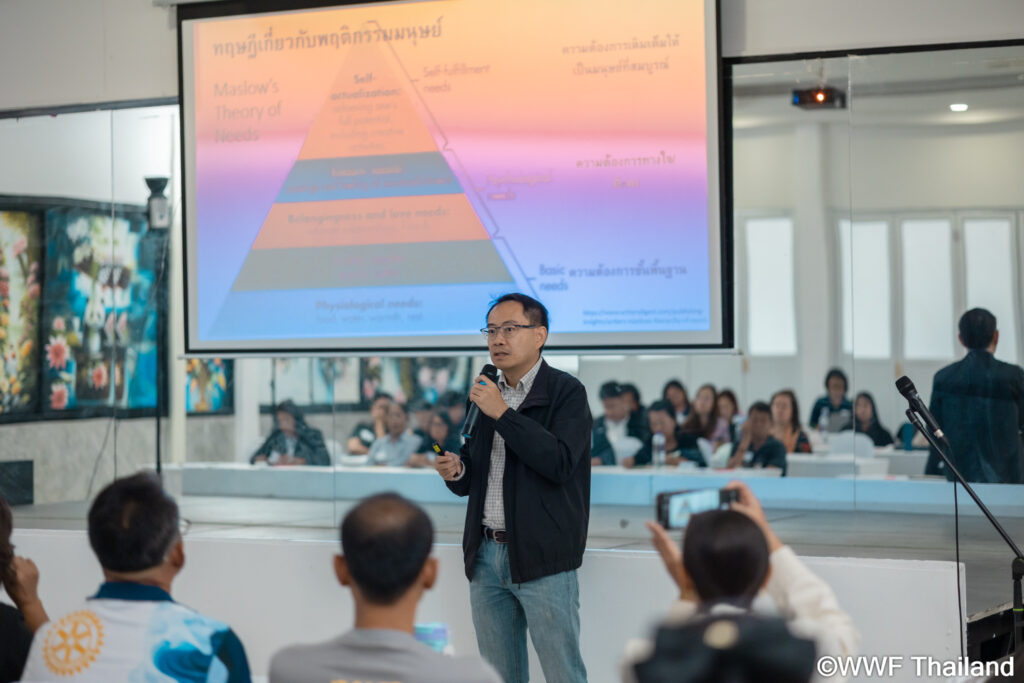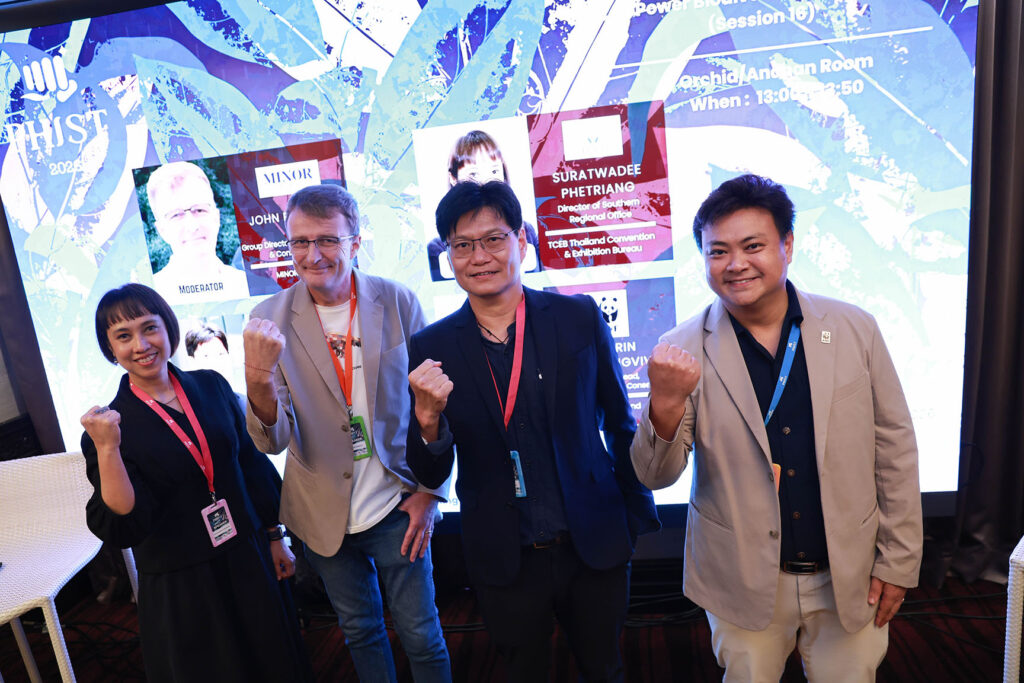
On March 16, 2026, the MA-RE-DESIGN project from WWF Thailand, hosted a workshop entitled “Introduction to Driving a Sustainable Extended Producer Responsibility (EPR) System” in Surat Thani Province. This event marked a crucial collaboration among multi-sectoral network partners, including the Surat Thani City Municipality, Koh Tao Municipality, Trang City Municipality, local communities, the private sector, and strategic partners such as GIZ and TIPMSE. The primary objective was to facilitate a paradigm shift in waste management from downstream to upstream, aligning with Circular Economy principles to effectively address the ongoing plastic waste crisis.
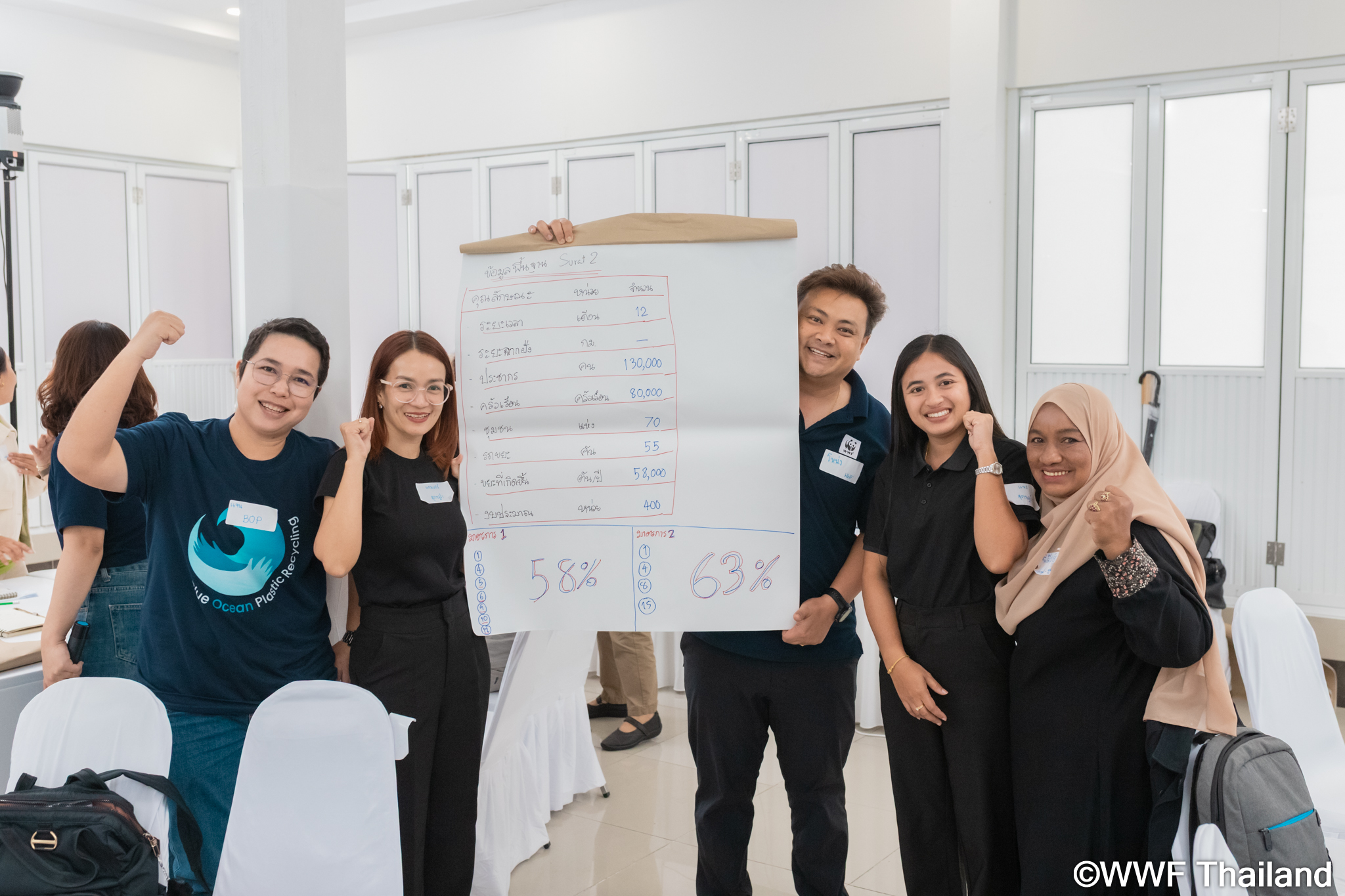
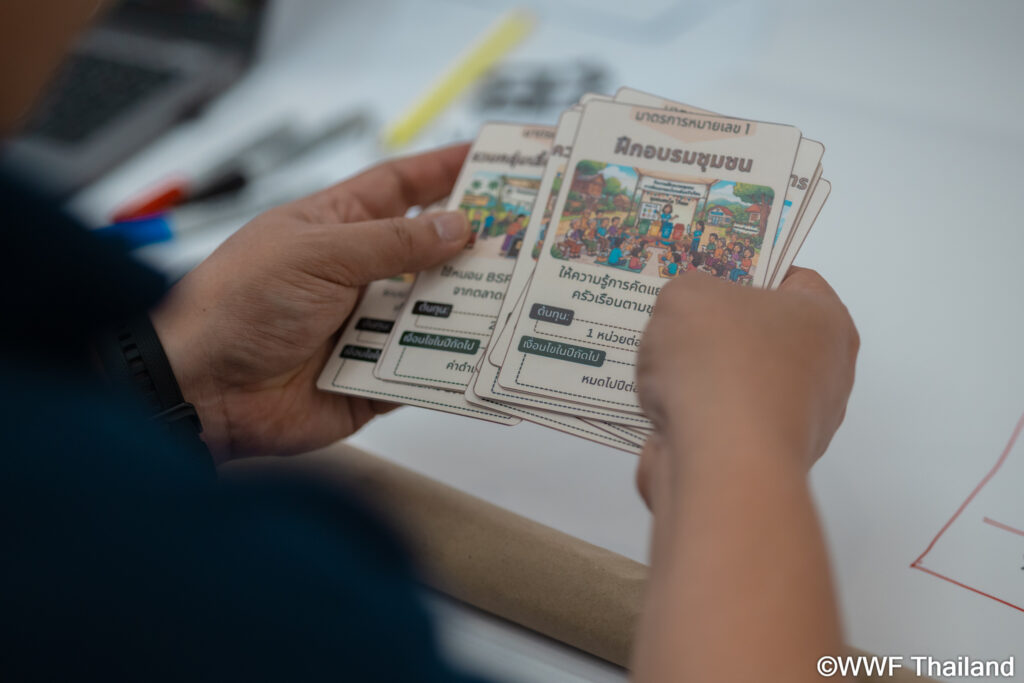
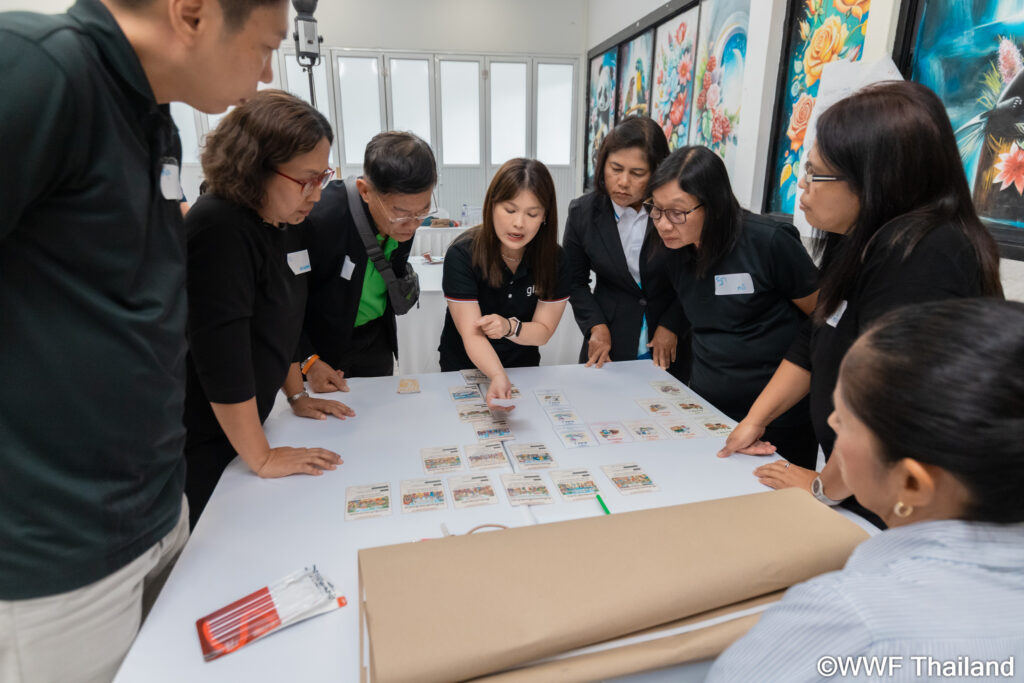
A core component of the workshop focused on experiential learning through simulated scenarios (EPR in Action – Role Play). This session provided participants with the opportunity to collaboratively design a local waste separation system, thereby raising awareness of budgetary constraints, management outcomes, and the operational mechanisms involved in partnering with Producer Responsibility Organizations (PRO). Furthermore, an “EPR Reflection” forum was conducted to serve as a platform for exchanging perspectives, identifying operational challenges, and consolidating practical findings systematically.
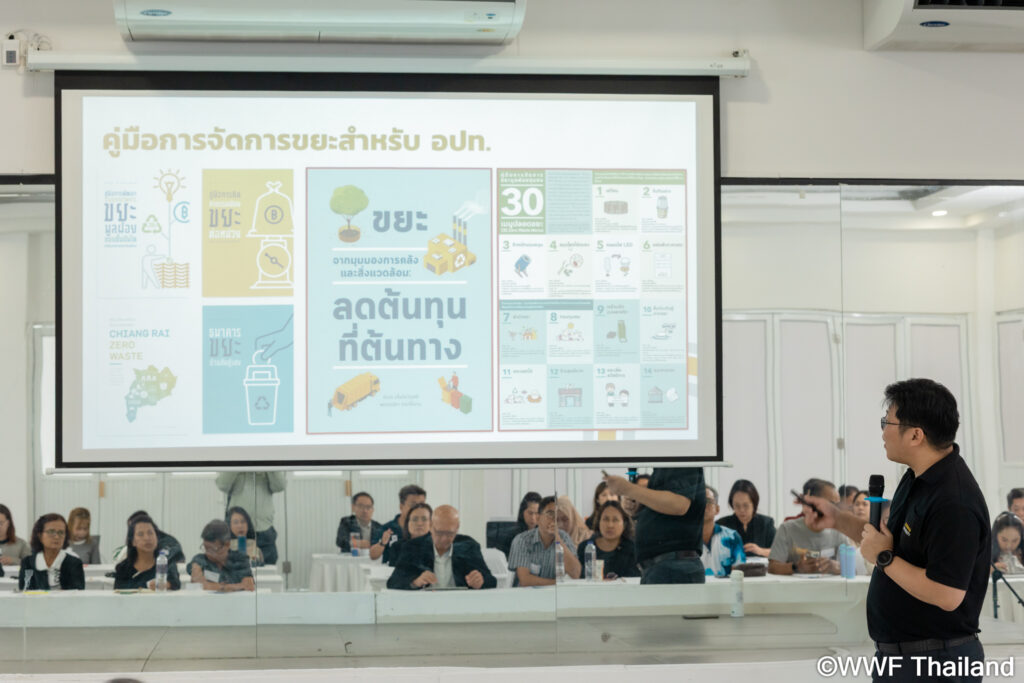
This workshop not only strengthened local capacities in resource separation and circulation to mitigate environmental impacts but also functioned as a vital platform for consolidating knowledge and exchanging experiences among regional networks. Ultimately, it has equipped all relevant sectors to foster cohesive collaboration and practically implement the Extended Producer Responsibility (EPR) policy for long-term sustainability.