The MA-RE-DESIGN Project continues to advance sustainable waste management through strengthening the capacities of youth, schools, and local communities by organising the “Youth & Community Waste Ecosystem” training programme. The initiative aims to enhance knowledge, understanding, and practical skills in systematic waste management, while empowering young people to become key drivers of environmental change at the local level. The project is dedicated to reducing plastic waste leakage into the environment and marine ecosystems through area-based implementation, capacity enhancement of relevant stakeholders, and the integration of waste management efforts from community to city level. The initiative is implemented through multi-stakeholder collaboration involving various sectors.
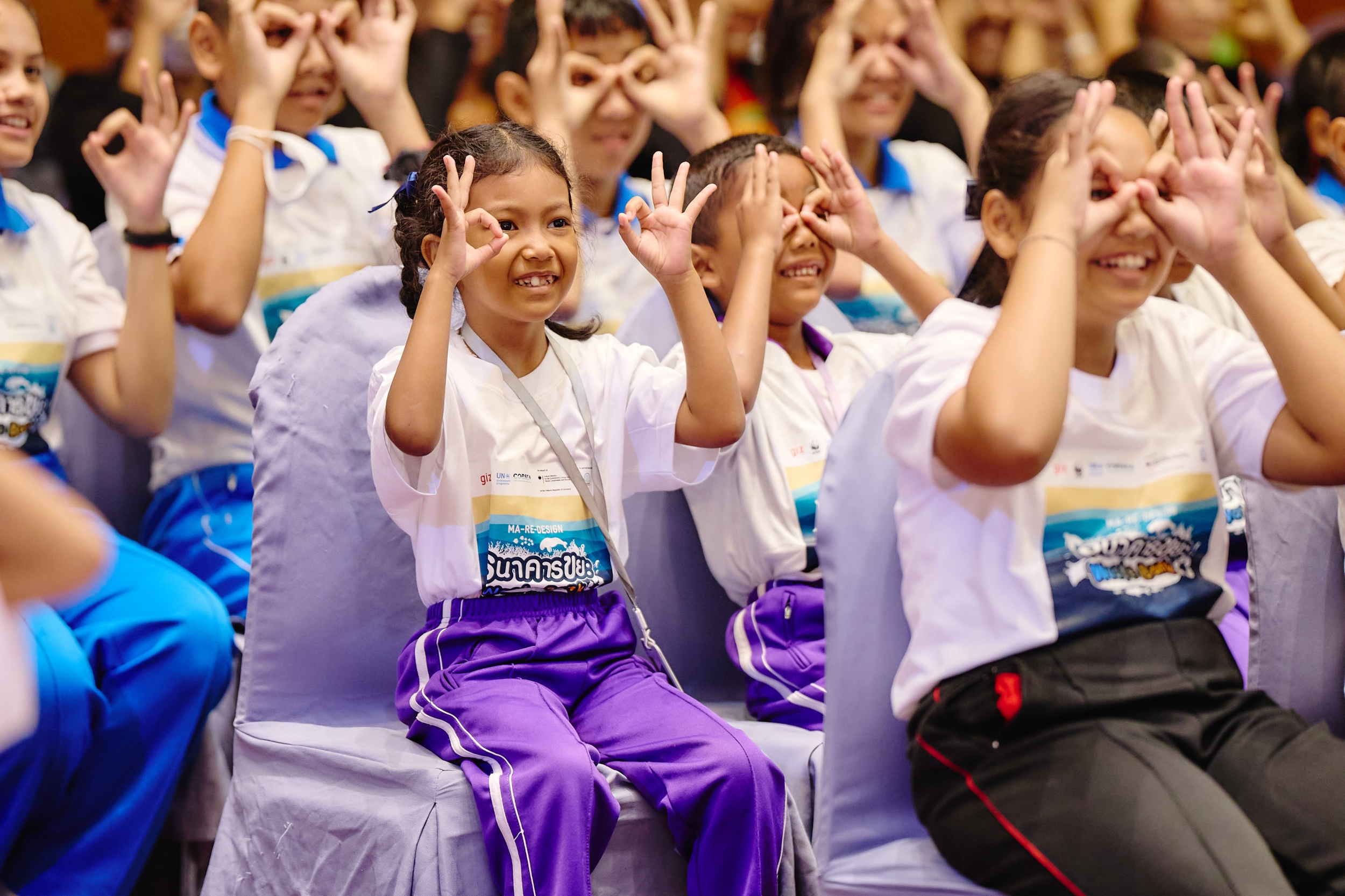
The training programme was organised with the objective of establishing strong foundations for sustainable waste management systems among youth, schools, and communities. Through educational workshops, interactive learning materials, and the provision of equipment to establish and strengthen “School Waste Banks,” the programme seeks to support schools in developing practical and effective waste management systems within educational institutions.
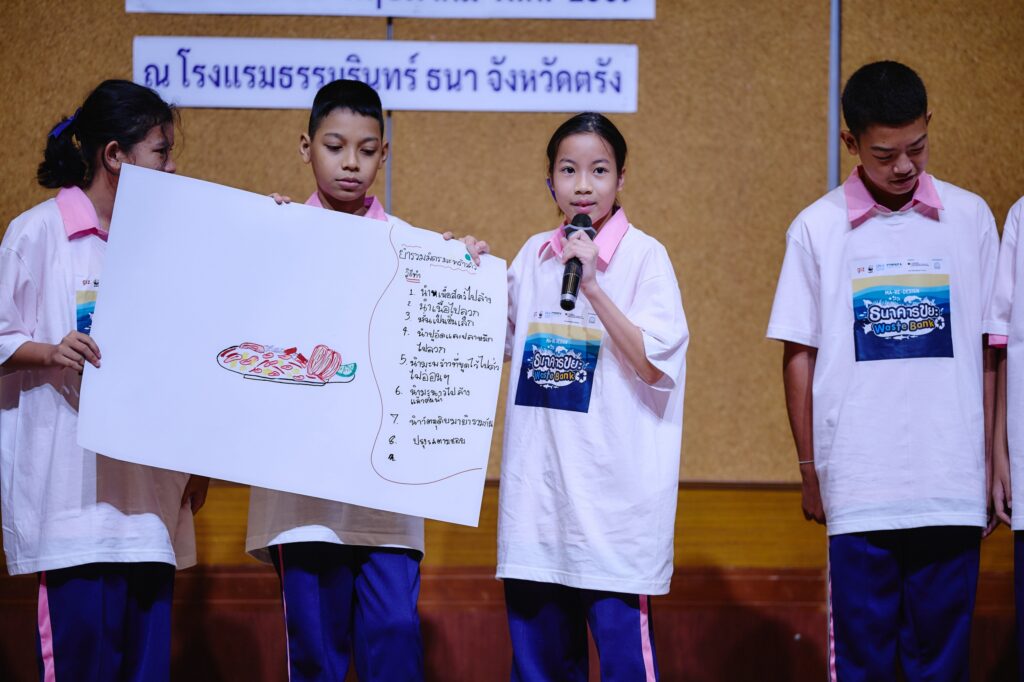
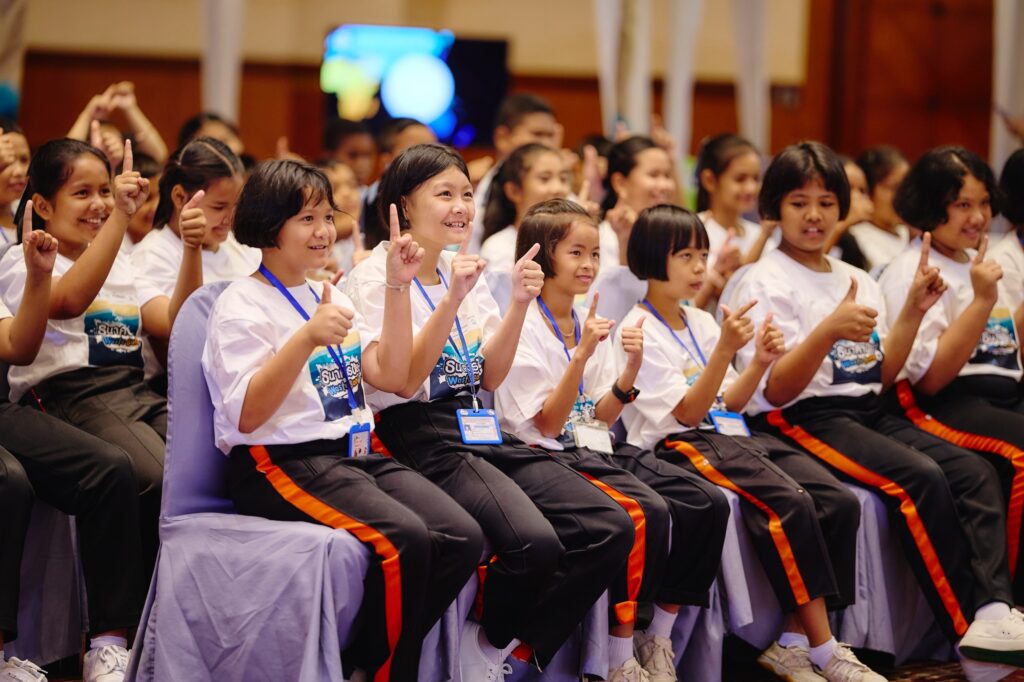
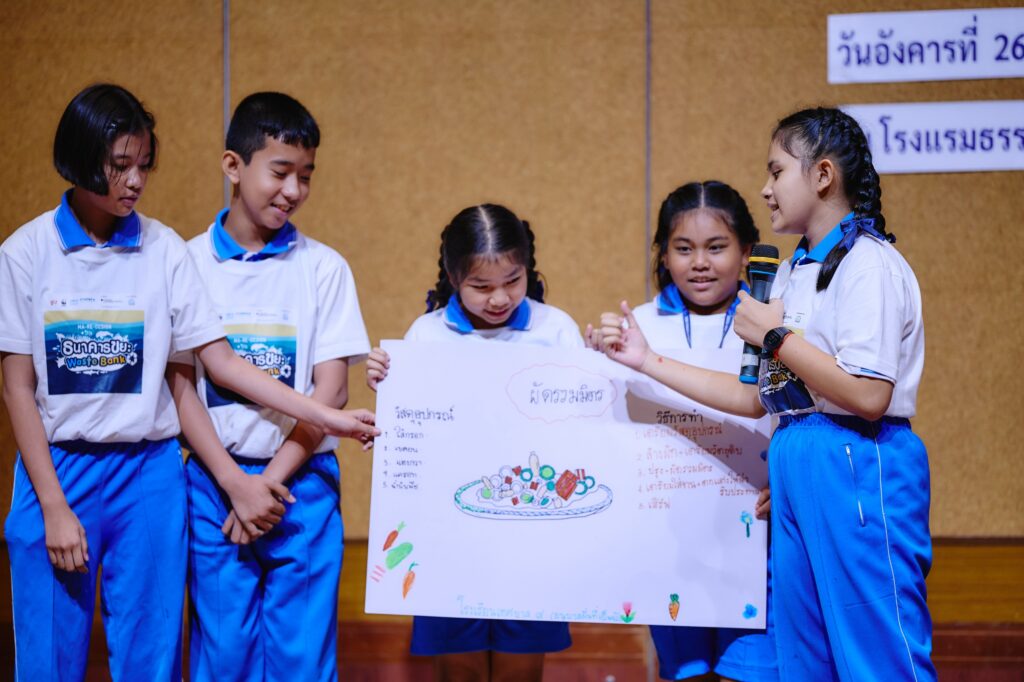
In addition, the programme focused on enhancing communication, presentation, and exhibition management skills among participating youth, enabling them to effectively transfer knowledge and expand environmental awareness within their communities. These efforts contribute to the development of a strong waste management ecosystem at both school and community levels, in alignment with Trang Province’s sustainable development direction and its collaborative efforts to reduce plastic consumption and strengthen systematic waste management practices.
The training activity under the MA-RE-DESIGN Project was held on Tuesday, 26 May 2026, at Thumrin Thana Hotel in Trang Province. The programme brought together participants from eight schools under Trang Municipality, namely Municipal School 1 (Sangkhawit), Municipal School 2 (Wat Kaphang Surin), Municipal School 3 (Ban Na Taluang), Municipal School 4 (Wat Matchimaphum), Municipal School 5 (Wat Khuan Khan), Municipal School 6 (Wat Tantayapirom), Municipal School 7 (Wat Prasitthichai), and Municipal School 8 (Anuban Fun Thi Pen Jing). The event also welcomed participation from six community waste bank networks, including Suan Chan Community Waste Bank, Yan Kan Kha 3 Community Waste Bank, Khok Khan Community Waste Bank, Bang Rak Community Waste Bank, Kaphang Surin 2 Community Waste Bank, and Khok Yoong Community Waste Bank, as well as representatives and working committees from Trang Municipality. In total, the training programme gathered 120 participants.
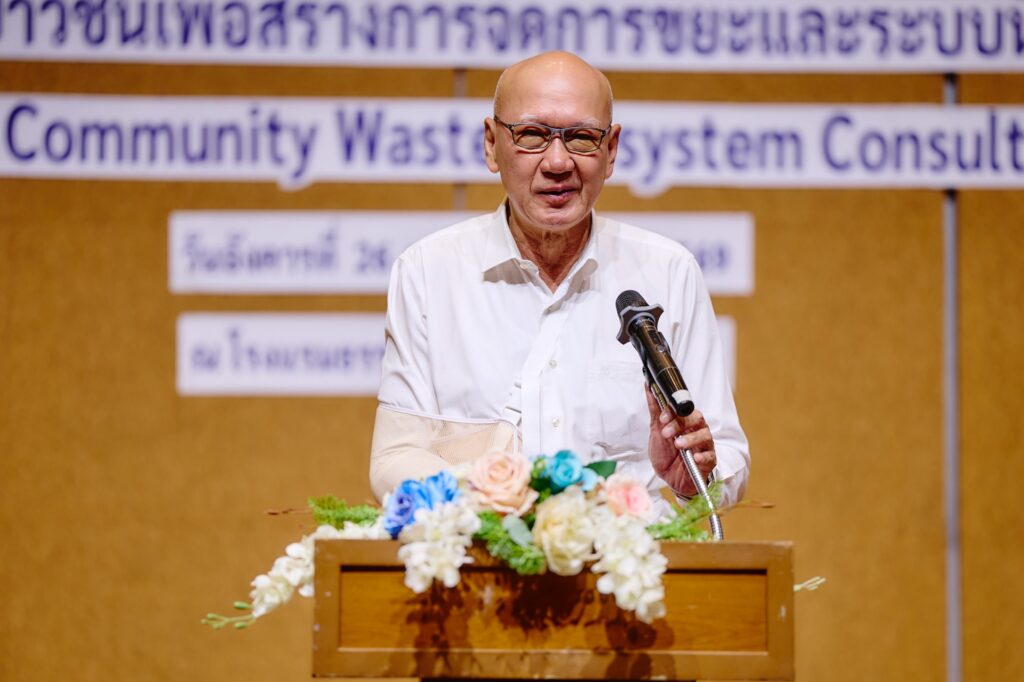
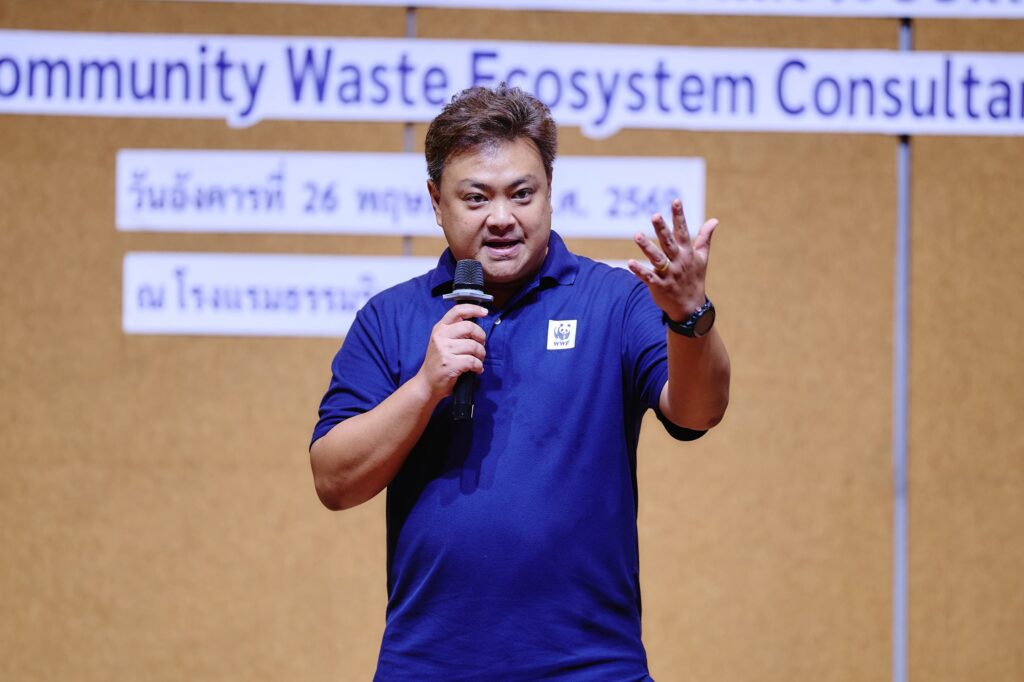
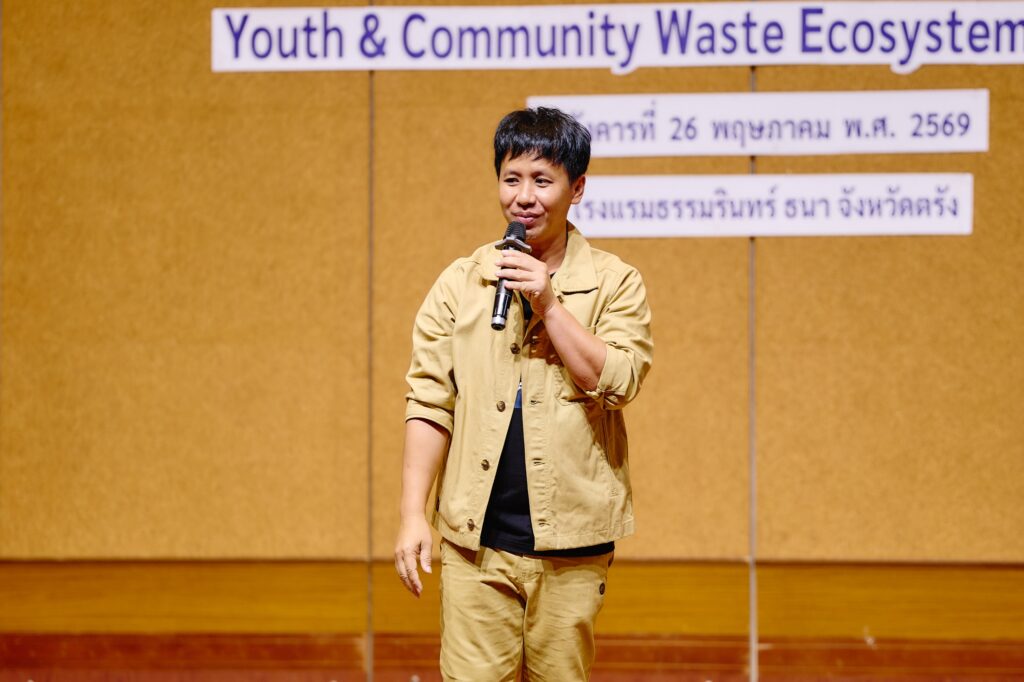
The event was honoured by the presence of Mr. Weeras Jueakwon, Deputy Mayor of Trang Municipality, who delivered the opening remarks and addressed teachers, students, and participants. In his remarks, he emphasised the importance of waste management through the school waste bank mechanism, highlighting its role as an essential platform for fostering environmental awareness, promoting discipline in waste segregation, and strengthening sustainable environmental ecosystems within schools and surrounding communities.
The MA-RE-DESIGN Project remains committed to promoting collaboration among government agencies, civil society organisations, educational institutions, and local communities to develop scalable and practical waste management models. Through continued cooperation, the project aims to contribute towards a cleaner, environmentally friendly, and sustainable future for Thai society.