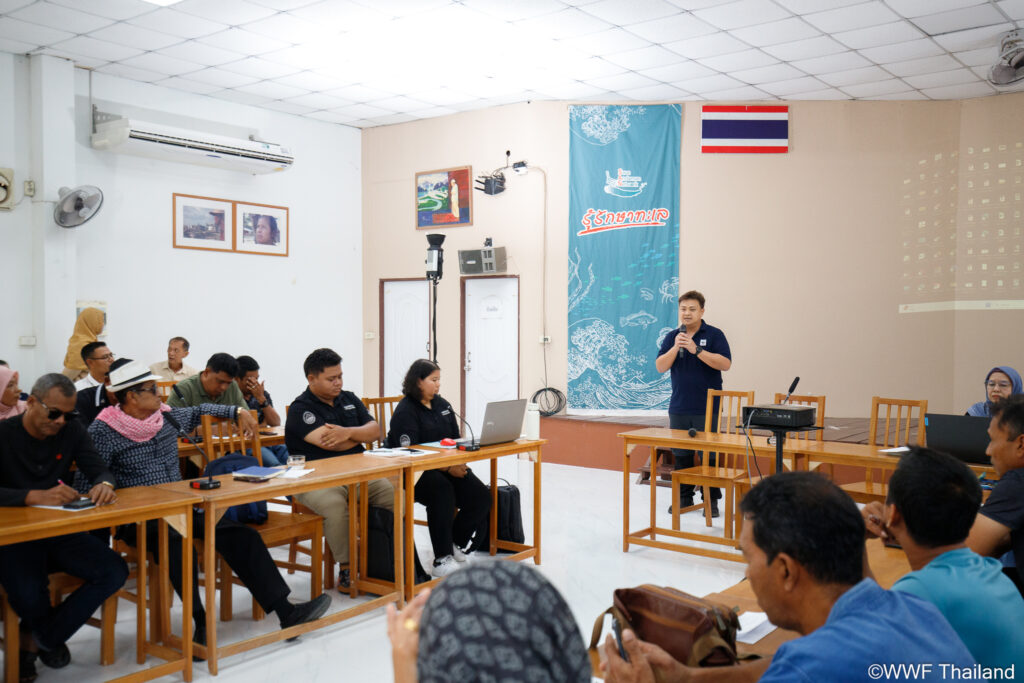
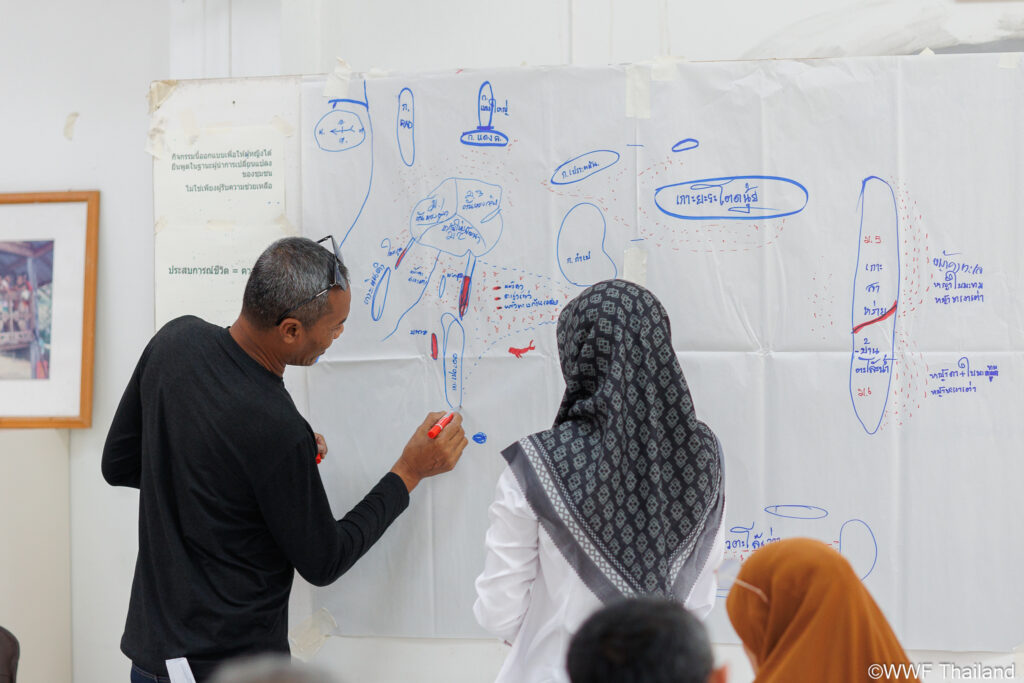
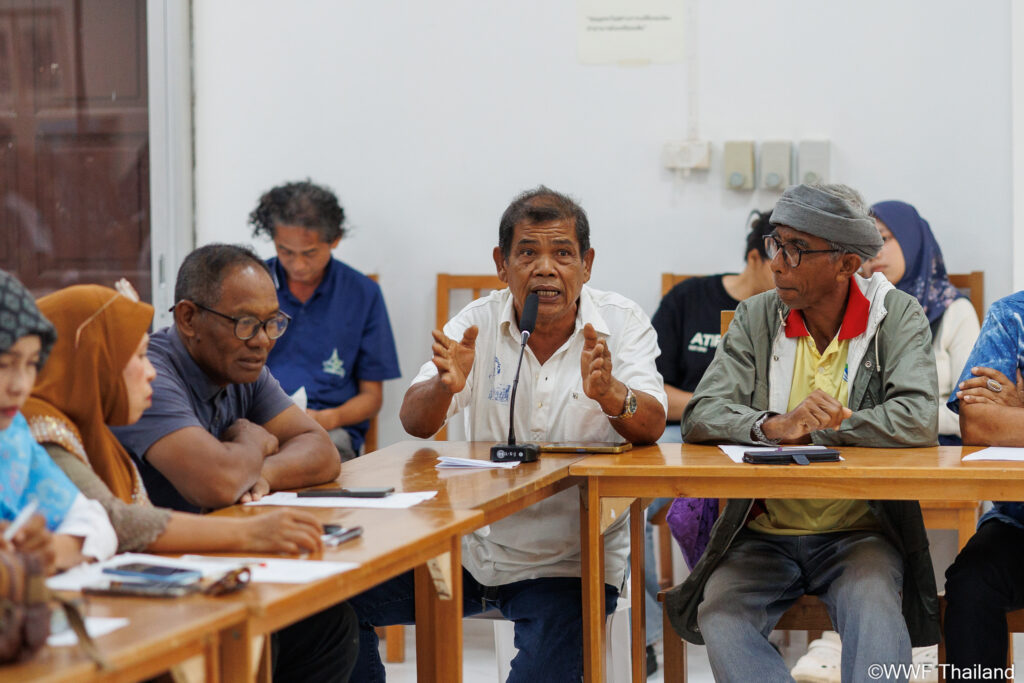
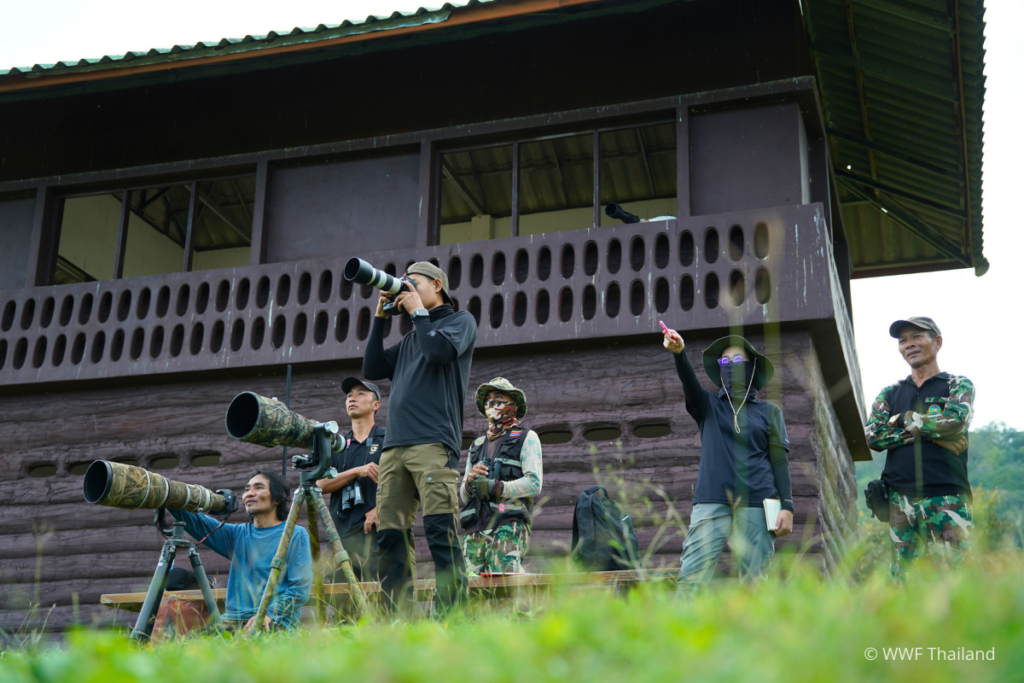
On March 4-5, WWF Thailand and the Andaman Foundation hosted a forum to listen to voices from 102 coastal communities across 6 Andaman provinces (Satun, Trang, Krabi, Phang Nga, Phuket, and Ranong). Representatives from 5 provinces joined forces with marine resource network partners to find sustainable solutions to revive our oceans.
- A Massive Collaborative Effort for the Ocean!: This event was a powerful alliance between coastal communities and key marine resource networks, including: The Marine and Coastal Resources Research Centers (Upper and Lower Andaman), Marine and Coastal Resources Office 7, Hat Chao Mai National Park, Marine National Park Operation Center 3 (Trang), and the Libong Archipelago Non-Hunting Area Coordination Centre.
- Voices from the Ground: The “Seagrass Crisis” Seagrass beds are degrading and declining across all areas, facing distinct regional threats:
- Trang & Krabi: Sedimentation, water pollution, overgrazing by an increasing sea turtle population, boat speed issues, and illegal dugong tusk trading.
- Phang Nga & Satun: Coastal erosion, shifting water channels, plastic waste, and industrial pollution.
- Ranong: Concerns over megaprojects (like the Landbridge and canal dredging) causing sediment dispersion. Some view the issue as distant due to naturally low seagrass populations in their area.
- 4 Steps Forward: Andaman Regional Measures To address these issues concretely, the meeting proposed 4 key measures:
- Andaman No-go / No-anchor / No-gear: Designating no-anchor and no-fishing-gear zones in seagrass beds, complete with clear buoys and signage.
- Andaman Vessel Safety: Establishing designated shipping lanes and enforcing a speed limit of max 6 knots in critical areas.
- Andaman Dredging & Sediment Control: Setting dredging standards that prioritize onshore sediment disposal to prevent accumulation on seagrass beds.
- Andaman Pollution Control: Requiring major pollution sources (communities, shrimp farms, factories) to install wastewater treatment systems before ocean discharge.
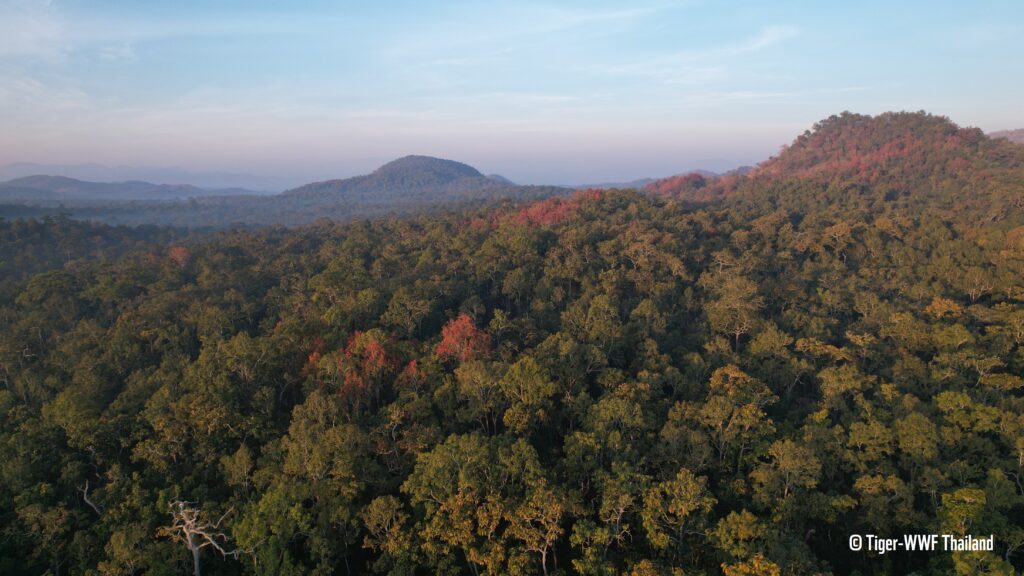
The collective power of coastal communities and partner agencies reflected in this event marks a crucial step toward maintaining balance and sustainably restoring the abundance of the Andaman marine ecosystem.