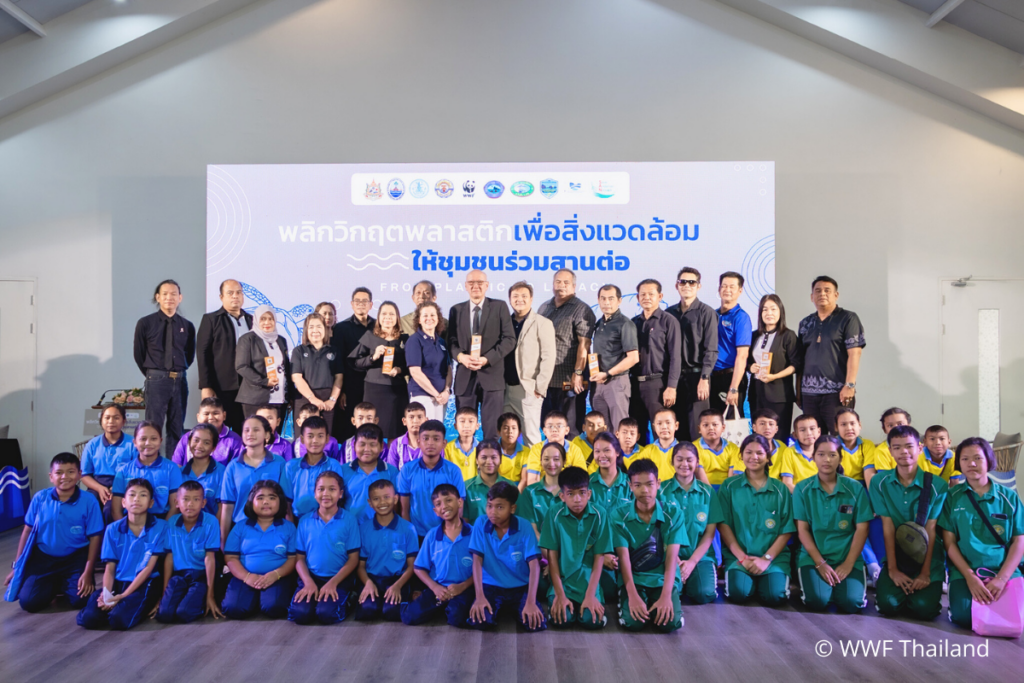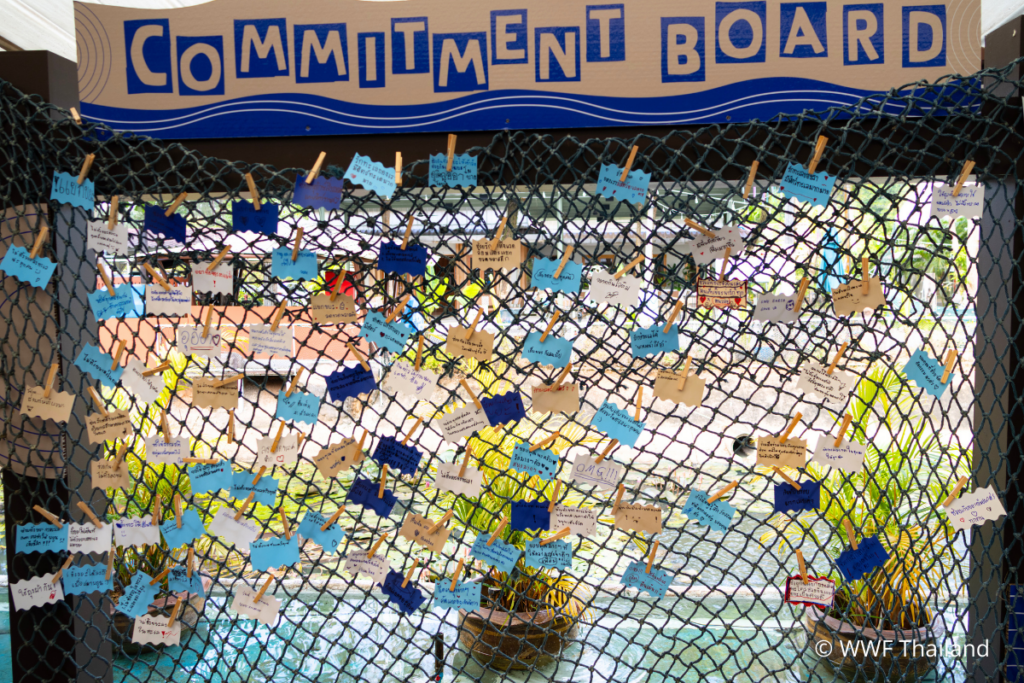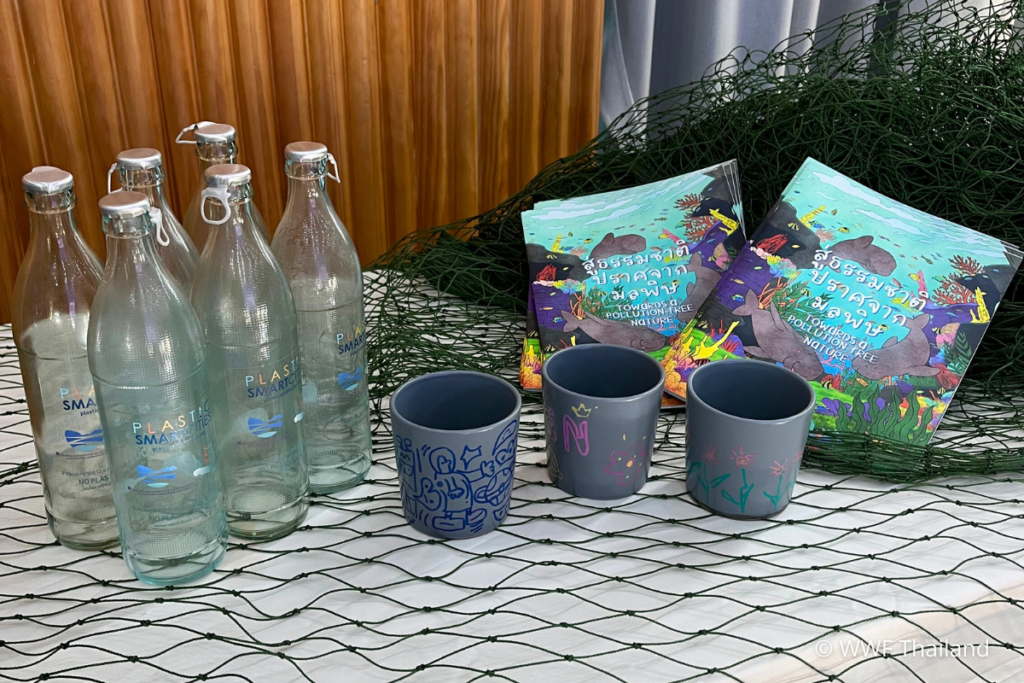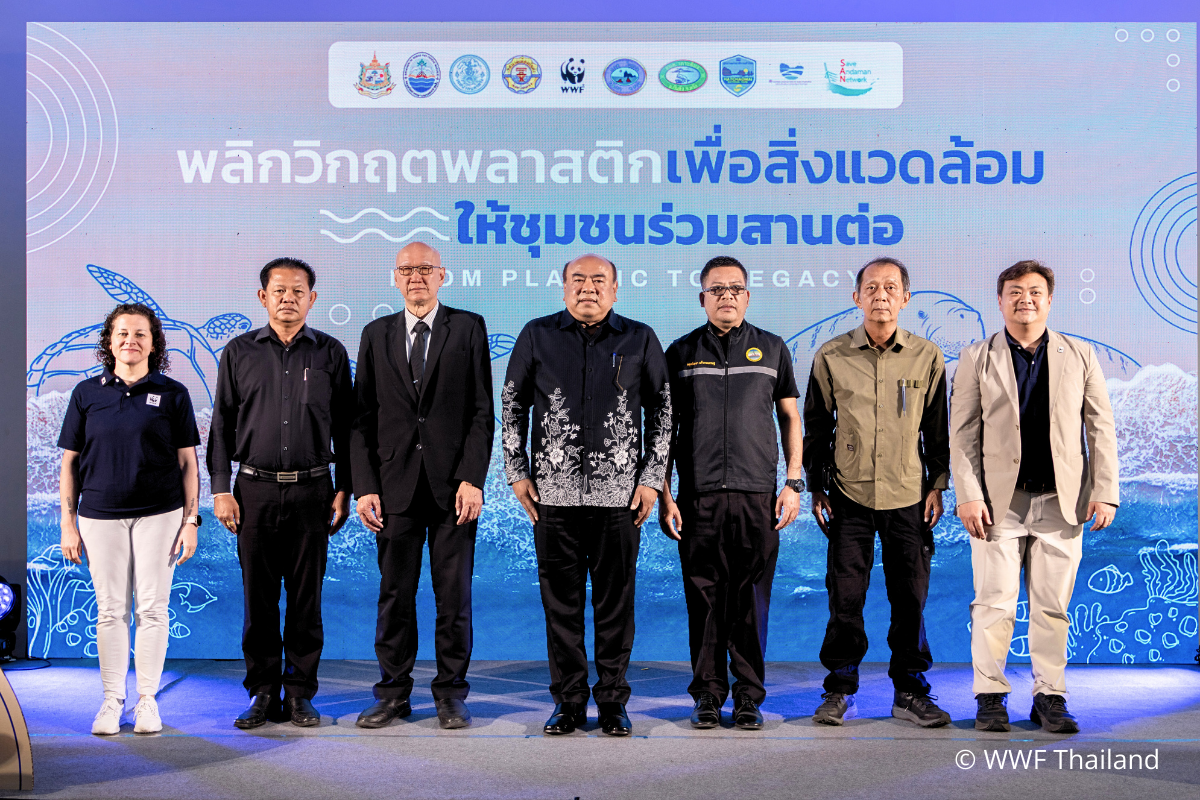
WWF Thailand has announced the completion of the PreZero Dugong Project, a six-year initiative (2020–2026) implemented in Trang Province to address plastic waste threatening seagrass ecosystems and dugong habitats. The project applied the Plastic Smart City concept while strengthening the capacity of municipalities, communities, schools, and the tourism sector to systematically reduce waste at source and improve urban waste management in tangible ways. Trang Municipality and Kantang Municipality integrated the Plastic Smart City approach into their local waste management plans, established waste banks, and developed a Waste Flow Diagram database to track waste streams from source to final disposal. These tools enable municipalities to effectively plan measures to prevent waste leakage into the ocean and support long-term environmental policymaking.
Communities and Youth as Drivers of Change
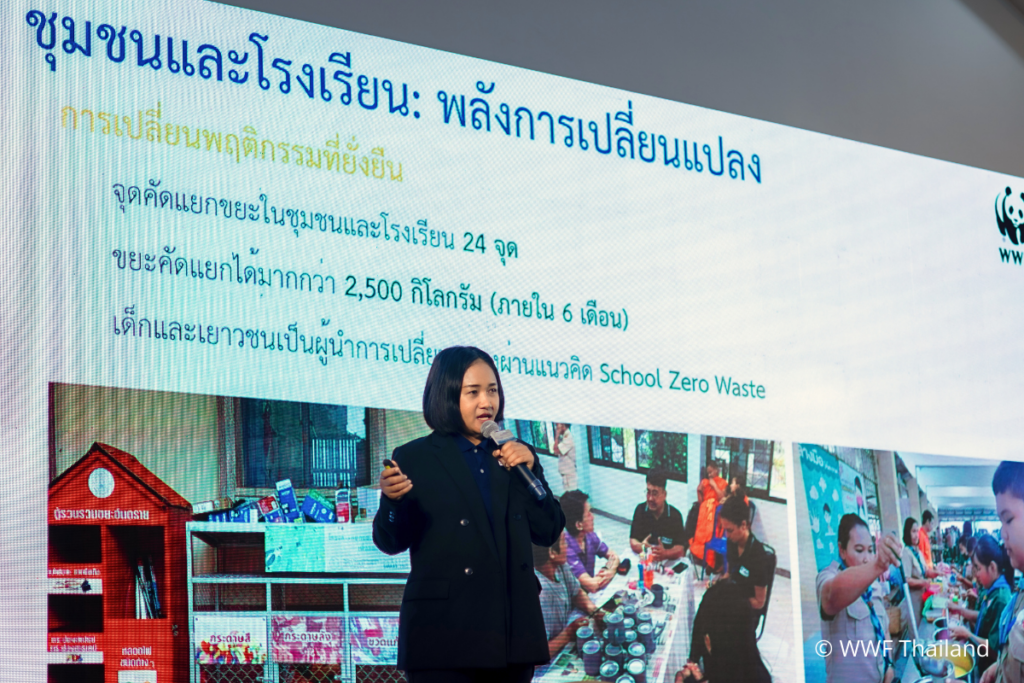
Communities and young people have been central to the project’s success. A total of 24 waste separation stations were installed in public spaces and schools, collecting more than 2,500 kilograms of sorted waste within six months. At least 18 community volunteers were trained, and the School Zero Waste concept was promoted in several schools. As a result, single-use plastic consumption has significantly decreased, and youth have emerged as environmental change leaders within their communities.
The tourism sector also played an active role in reducing coastal waste. Sixteen restaurants in Pak Meng Beach joined the initiative to cut single-use plastics, collectively reducing approximately 1,600 plastic water bottles per week. Participating businesses began shifting to environmentally friendly alternatives and piloted Refill Stations in tourist areas—helping to reduce coastal waste while lowering long-term operating costs.
Scientific Data Supporting Dugong and Seagrass Conservation
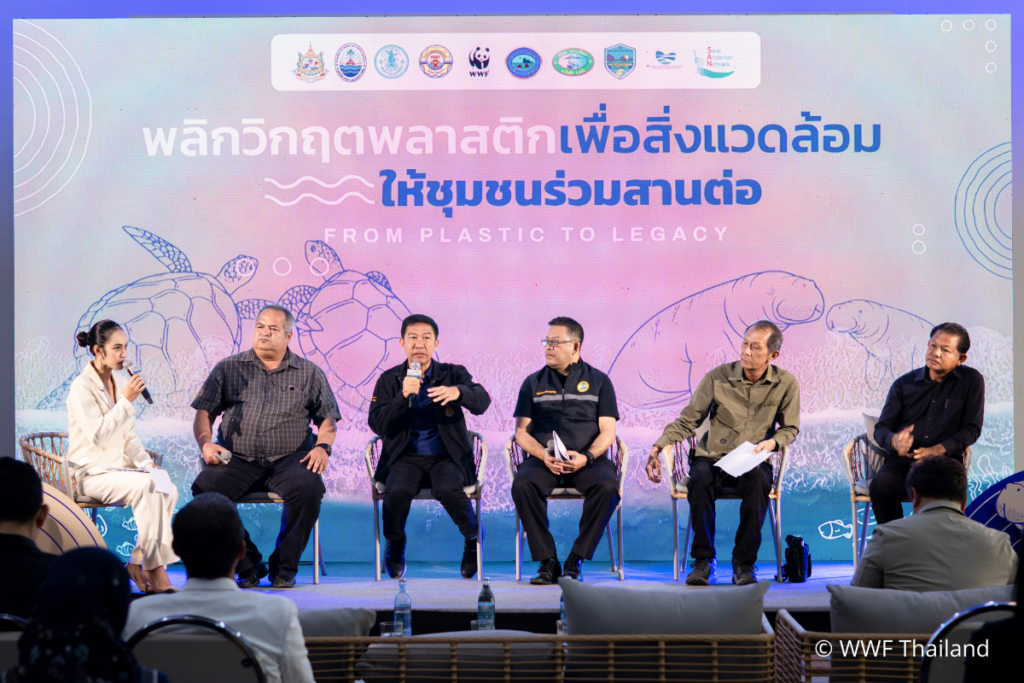
The project also strengthened scientific data collection to support dugong and seagrass conservation. Surveys and monitoring conducted around Koh Libong identified seagrass areas ranging between 200 and 763 hectares. Findings confirmed that large plastic debris remains a significant threat to dugongs, both through injury and ingestion. Scientific evidence has helped bridge land-based waste management with marine biodiversity conservation, clearly demonstrating that reducing plastic waste directly protects natural resources and the livelihoods of coastal communities.
“Pak Meng Model”: A Lasting Legacy
One of the project’s key achievements is the development of the “Pak Meng Model,” a community-driven coastal waste management model based on circular economy principles. Community enterprises were established to manage organic waste, recyclables, used cooking oil, and discarded fishing nets. The model is expected to reduce waste at risk of leaking into the ocean by approximately 2,000 kilograms per month, while generating green income and strengthening the local economy in the long term.
Beyond 2026, although the project concludes under its current framework, WWF Thailand will transition into a technical support role. Local municipalities and communities will assume full ownership of the waste management model. The Pak Meng Model is positioned as a Public-Private-Community Partnership prototype, demonstrating that marine conservation and tourism development can go hand in hand, with potential for replication across other coastal areas along the Andaman coast.
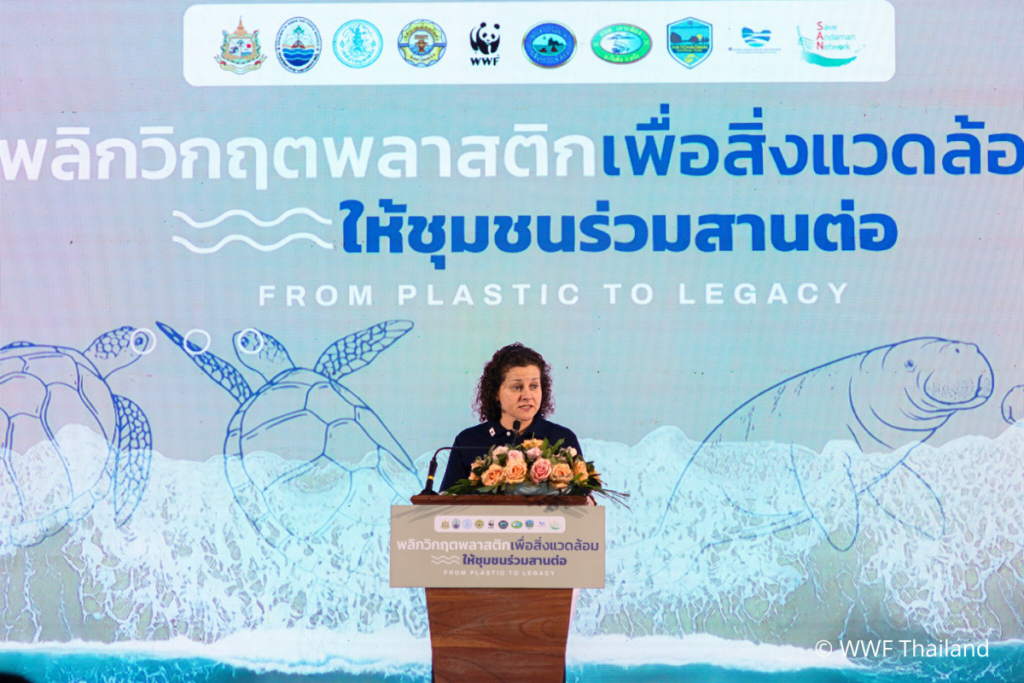
Tanja Ploetz, Senior Advisor Sustainable Food Systems at WWF Germany
“The true legacy of the PreZero Dugong project lies not merely in numerical results, but in the confidence of communities to manage their own resources and protect their environment. The Pak Meng Model demonstrates that even after a project has formally concluded, when systems are designed to be practical, grounded in local realities, and centered on communities, they can continue to operate and grow. From the perspective of WWF Germany, this is therefore not the end of a journey, but an important learning milestone. The lessons from PreZero Dugong are valuable not only for Thailand, but also for other coastal areas facing similar challenges — both regionally and globally,” stated Tanja Ploetz, Senior Advisor Sustainable Food Systems at WWF Germany.
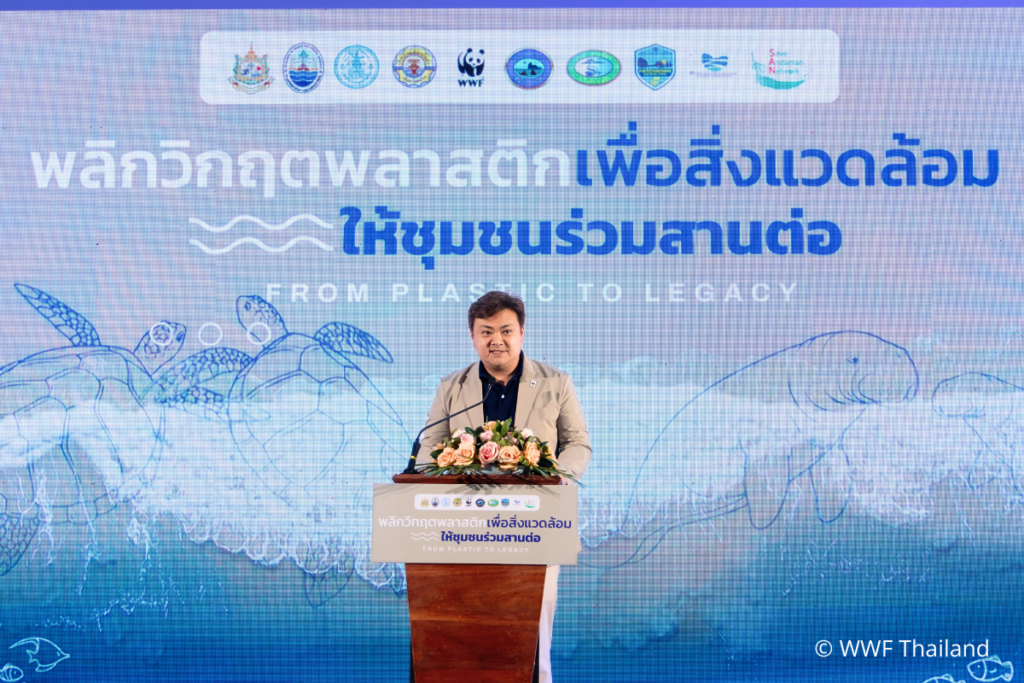
Mr. Ekkarin Ariyawongwiwat, Marine and Coastal Conservation Program Lead at WWF Thailand
Mr. Ekkarin Ariyawongwiwat, Marine and Coastal Conservation Program Lead at WWF Thailand, stated: “Over the past six years, we have demonstrated that waste management is not the responsibility of any single sector. It requires serious collaboration from all stakeholders—from government agencies and municipalities to communities, schools, and tourism operators. Through this collective effort, we have been able to significantly reduce waste leakage into the ocean and protect marine ecosystems on a broader scale.”
He added that while the project has reached its conclusion, it has left behind a lasting legacy in the form of knowledge, waste management systems, and sustainable lifestyles for the people of Trang. WWF Thailand continues expanding efforts to prevent plastic leakage into nature in other southern areas, including Surat Thani Municipality and Koh Tao.