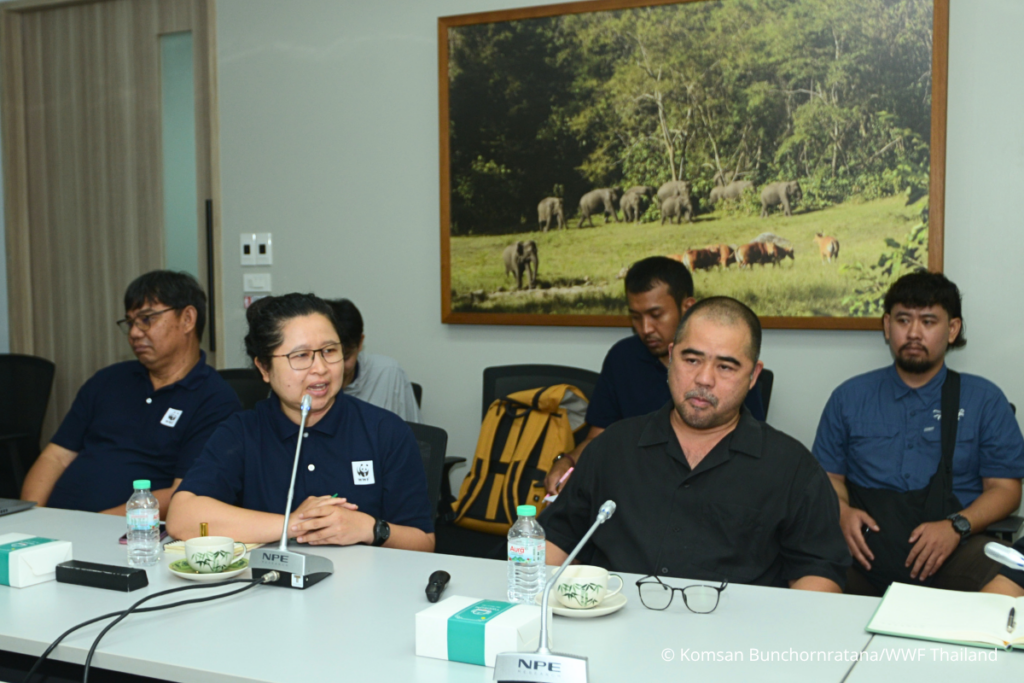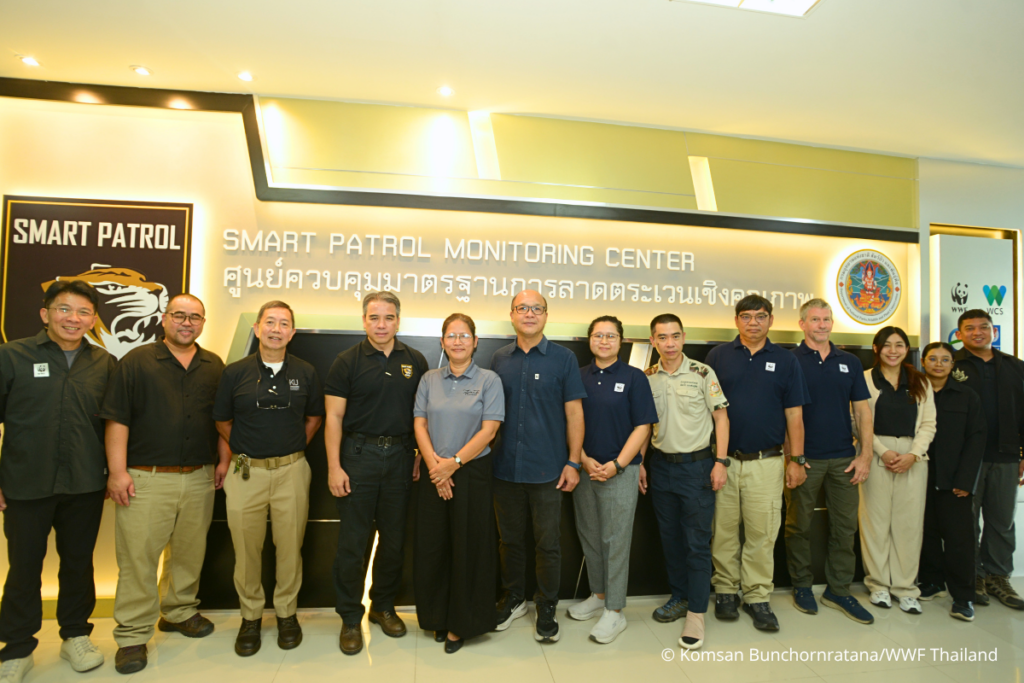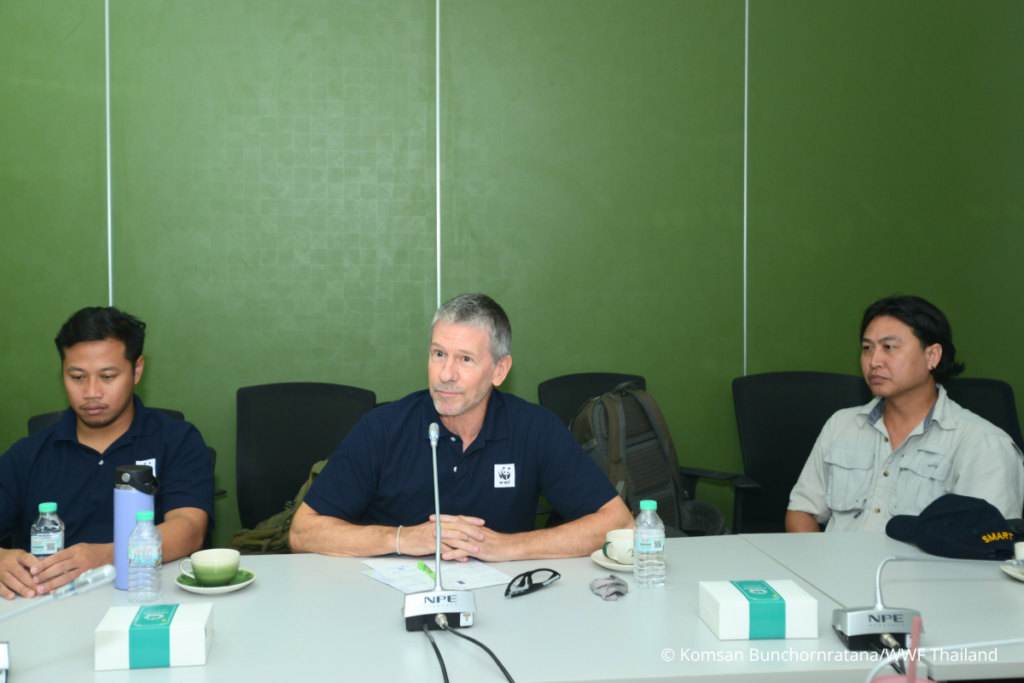
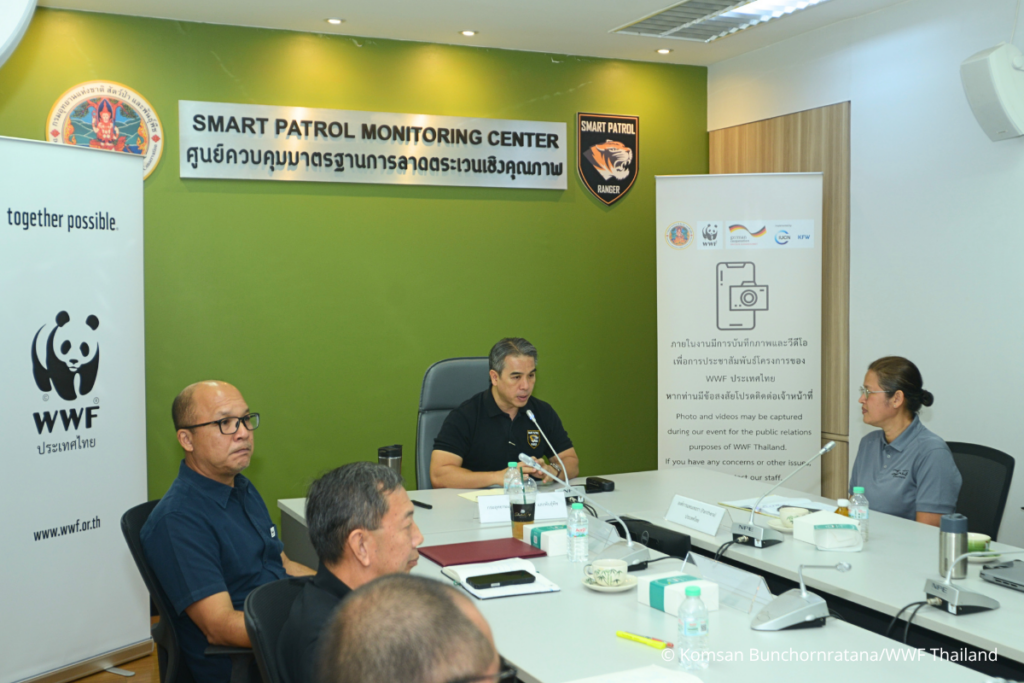
Department of National Parks, Wildlife and Plant Conservation (DNP), in collaboration with WWF Thailand, has launched the “Enhancing SMART Patrol through Real-Time Data Integration with Network-Centric Operations (NCO)”
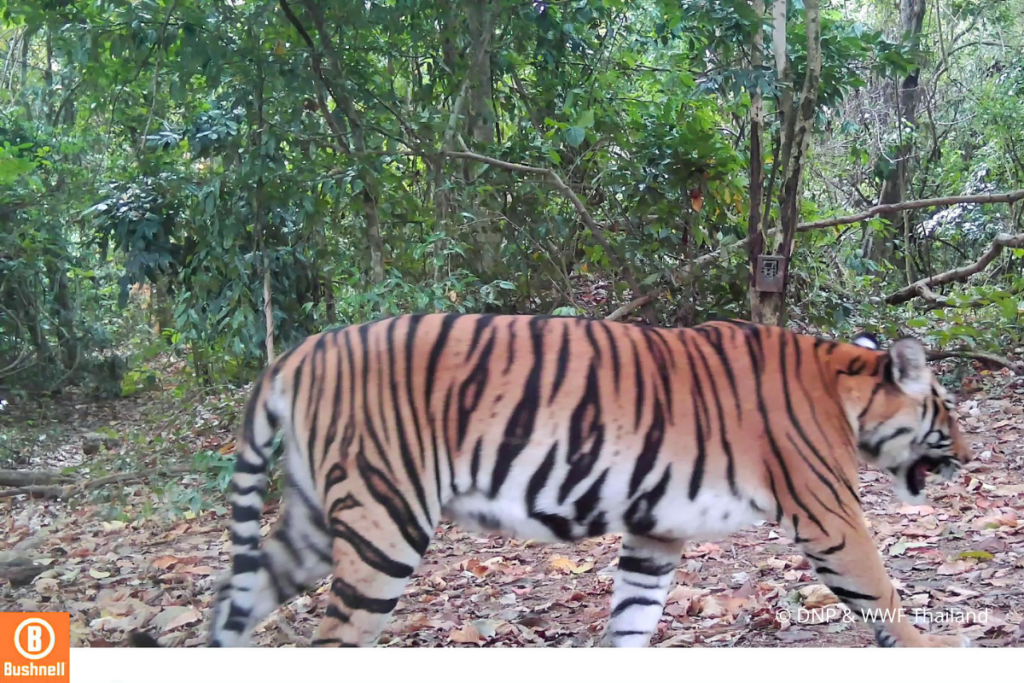
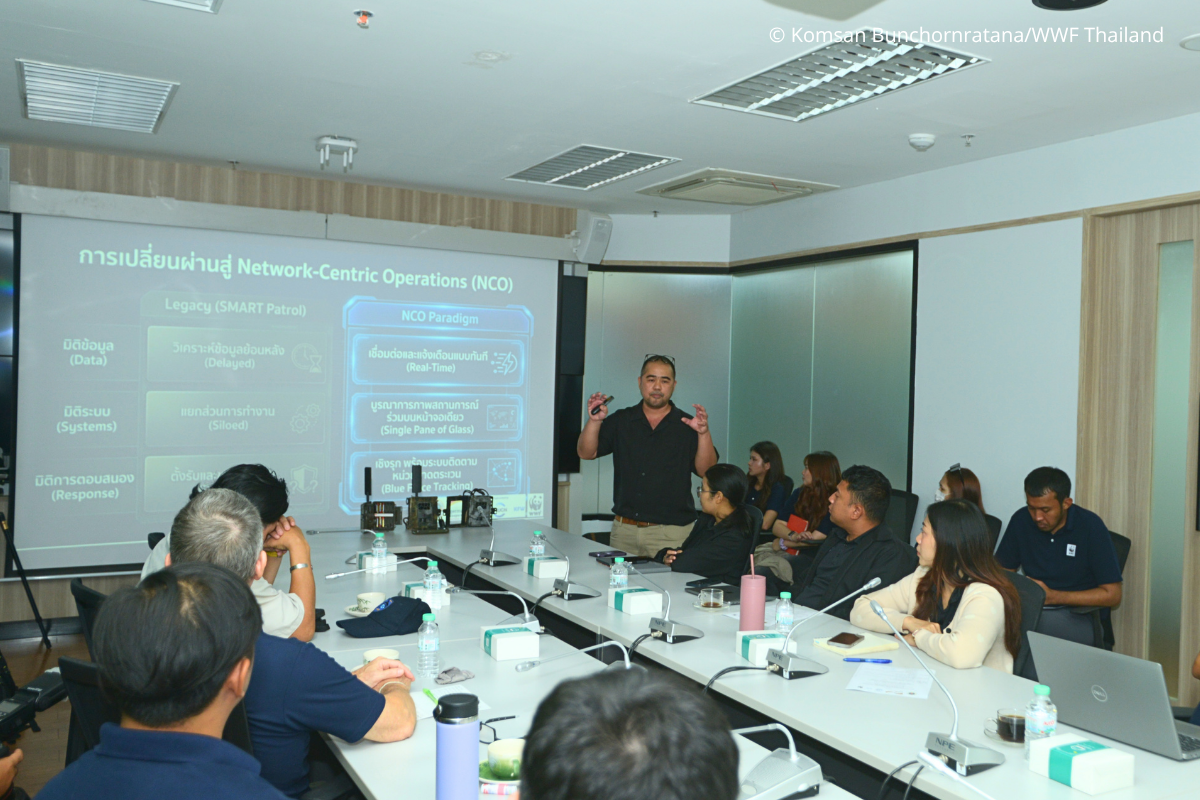
The project focuses on developing and piloting the SMART Connect system alongside the Team Awareness Kit (TAK), integrating data from multiple sources—including patrol records, camera traps, unmanned aerial vehicles (UAVs), and geographic information systems (GIS)—into a single platform through real-time data integration.
This integration enhances continuous situational awareness, enabling faster and more accurate operational decision-making. It also strengthens the efficiency of preventing and responding to threats in protected areas, such as wildlife poaching, encroachment, and other illegal activities.
In addition, the system improves ranger safety through real-time location tracking (Blue Force Tracking), combined with more effective communication between field teams and command centres.
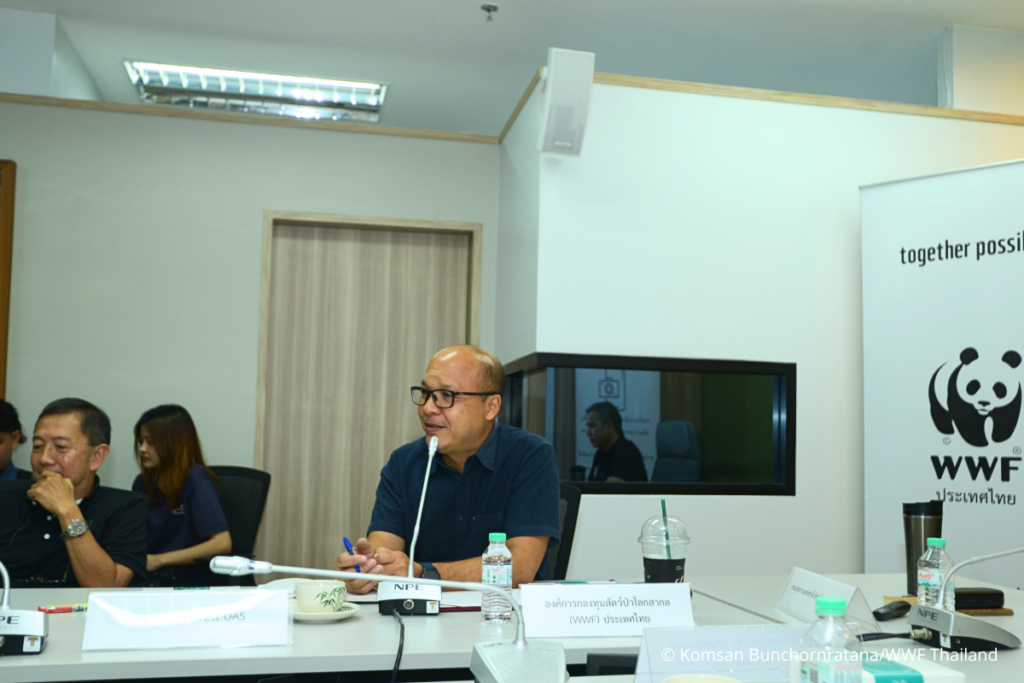
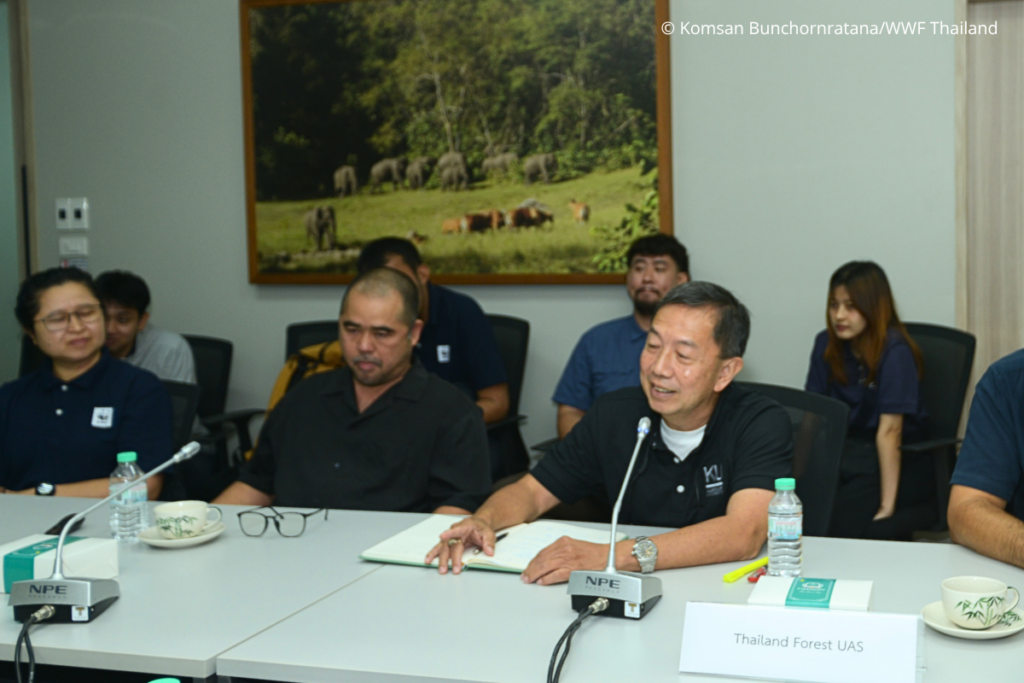
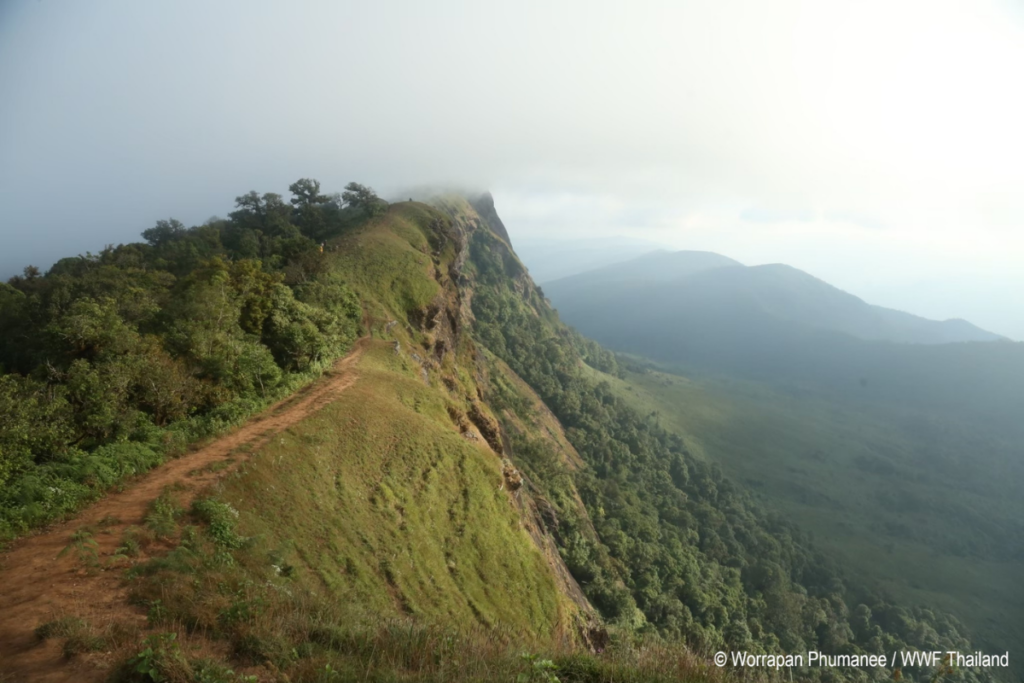
Mae Wong National Park has been selected as the pilot site for the project, where the system will be tested and refined while building the capacity of field staff to ensure effective implementation and future scalability.
This collaboration reflects the strong commitment of the DNP and WWF Thailand to applying technology and innovation in natural resource conservation—enhancing protected area management and supporting long-term ecosystem sustainability.
This project is supported by IUCN Save Our Species’s Integrated Tiger Habitat Conservation Programme, funded by Bundesministerium für wirtschaftliche Zusammenarbeit und Entwicklung (BMZ) via KfW.