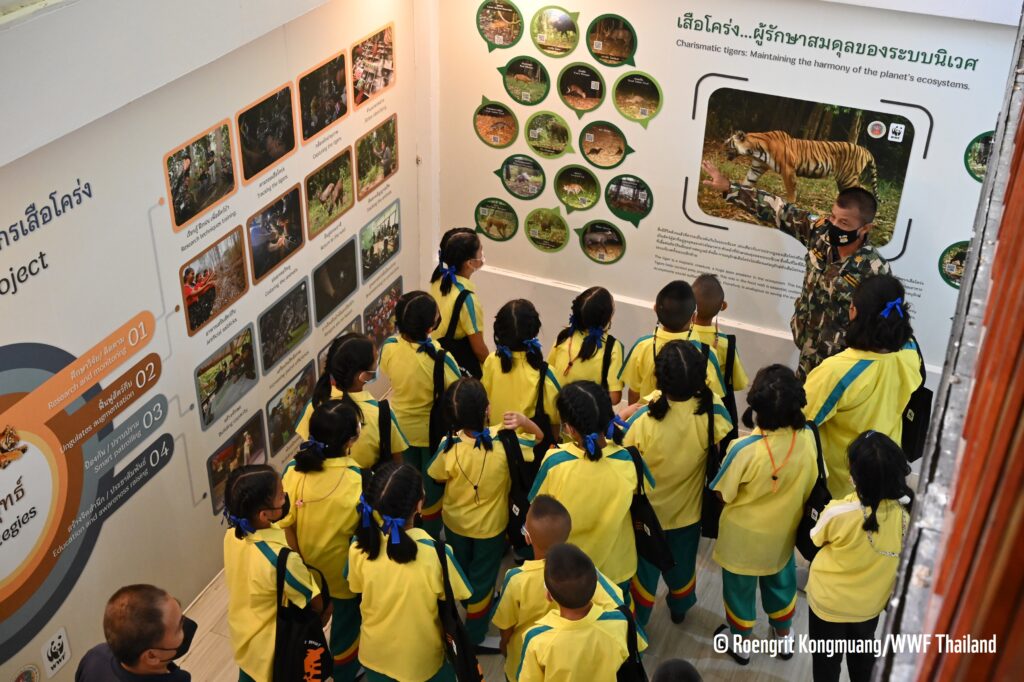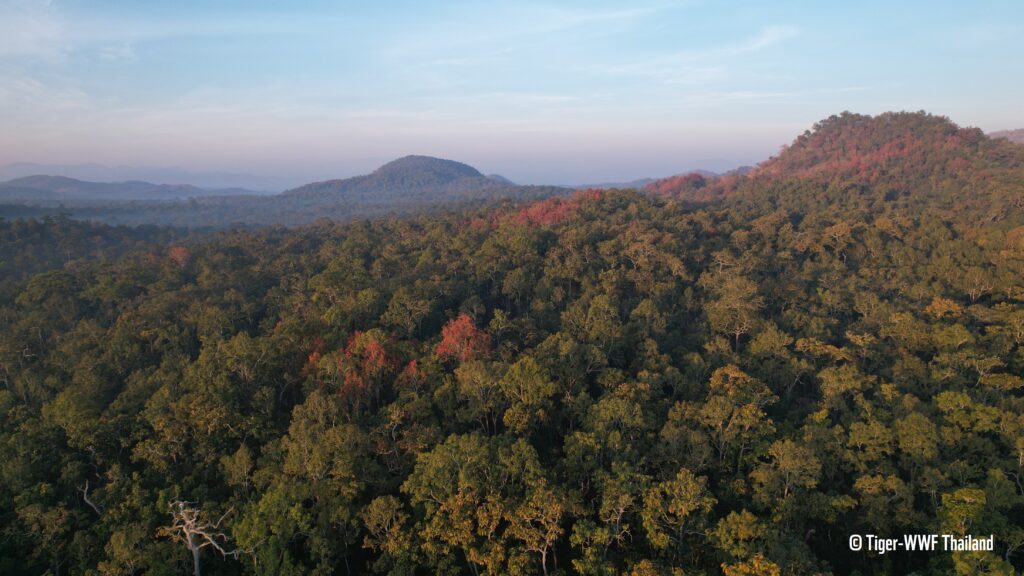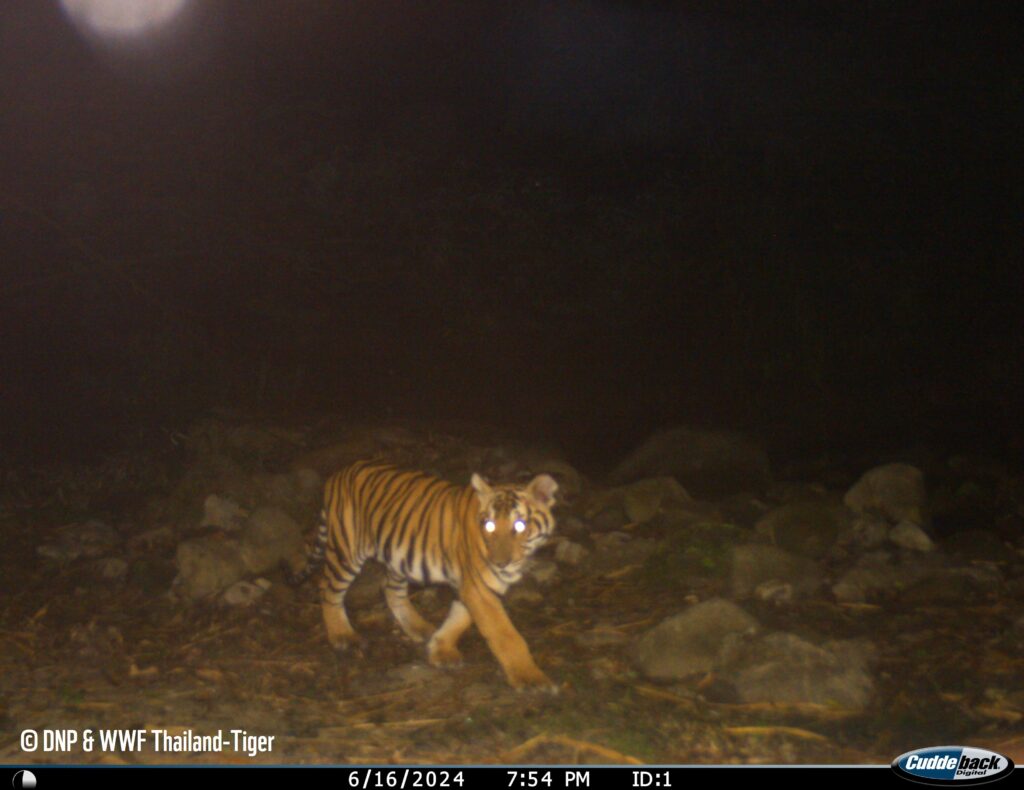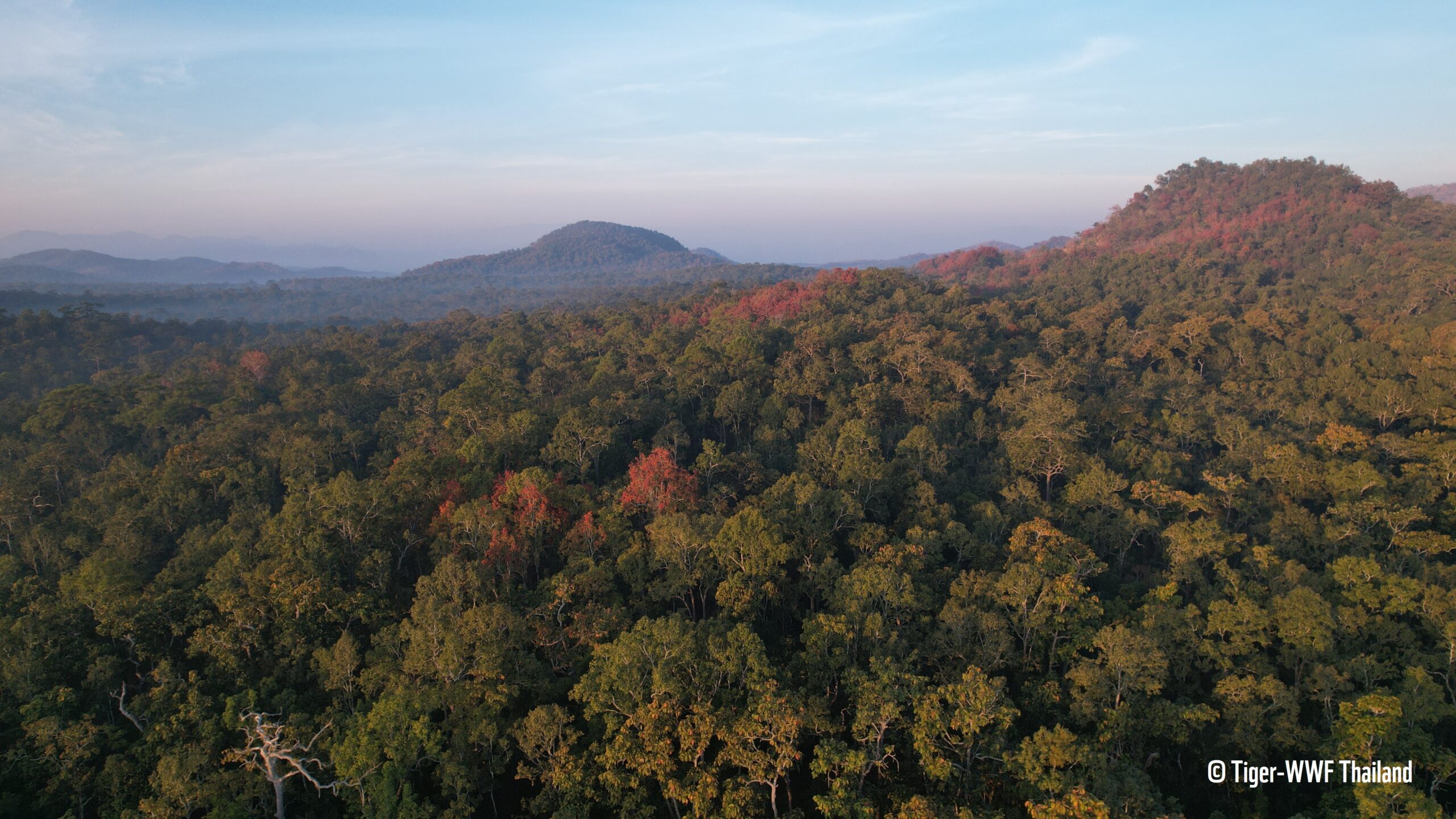
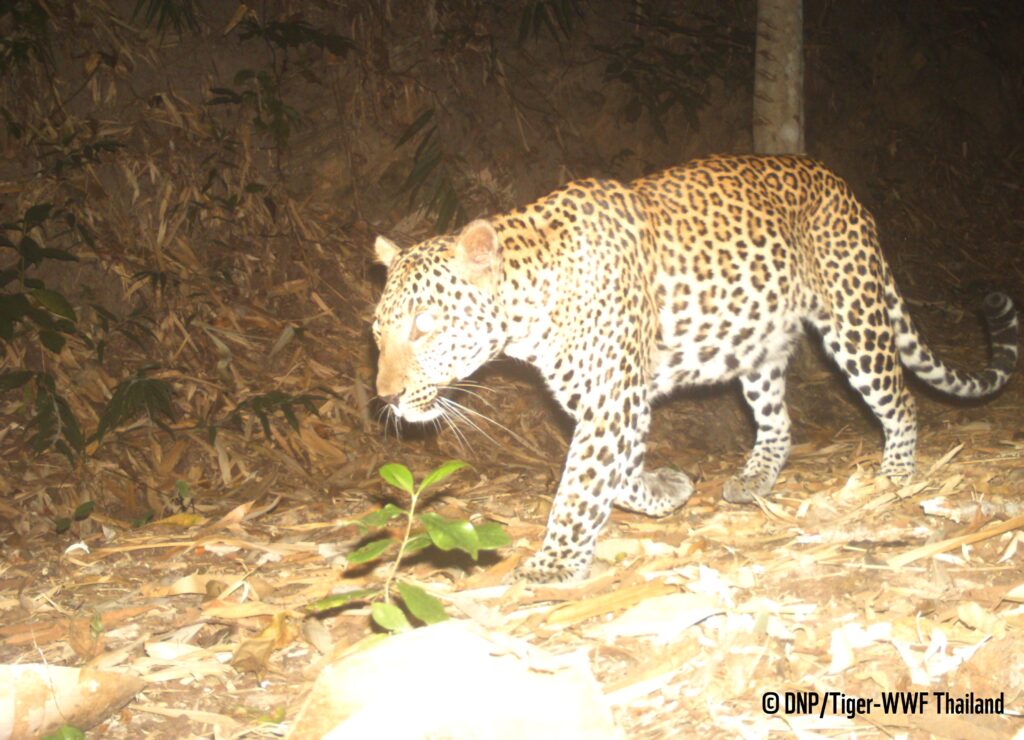
Along the Thailand–Myanmar border lies the vast Dawna–Tenasserim Landscape — one of the last great strongholds for tigers, leopards, and clouded leopards in mainland Southeast Asia.
Deep within these forests, the legendary Western Forest Complex has already proven that recovery is possible. In the Thung Yai–Huai Kha Khaeng Wildlife Sanctuaries World Heritage Site, decades of conservation have helped rebuild one of the most important tiger populations in the world.
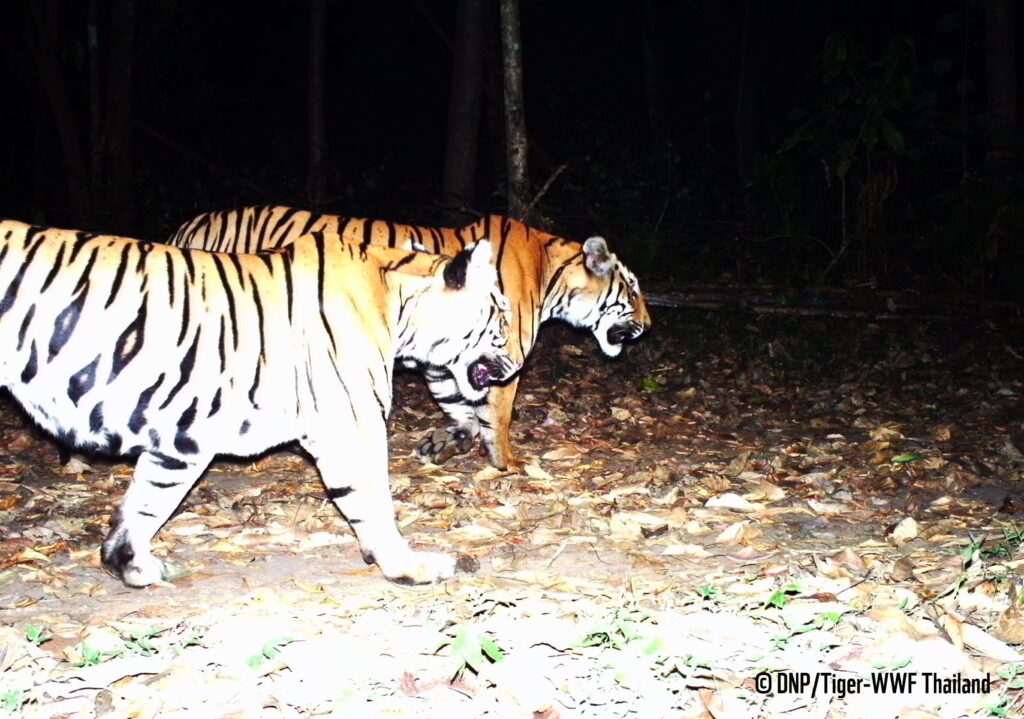

But the future of wild cats cannot depend on a single stronghold. To truly secure their future, tigers must reclaim the forests beyond their current range. That is where our journey begins.
Through the project “Expanding the Wild Cat Frontier, Collaboratively Accelerating Range Expansion and Recovery of Western Thailand’s Tigers, Leopards, and Couded Leopards,” we are working to support the recovery and expansion of tigers and other wild cats across key landscapes in Northern WEFCOM and the Mae Ping-Omkoi Forest Complex.
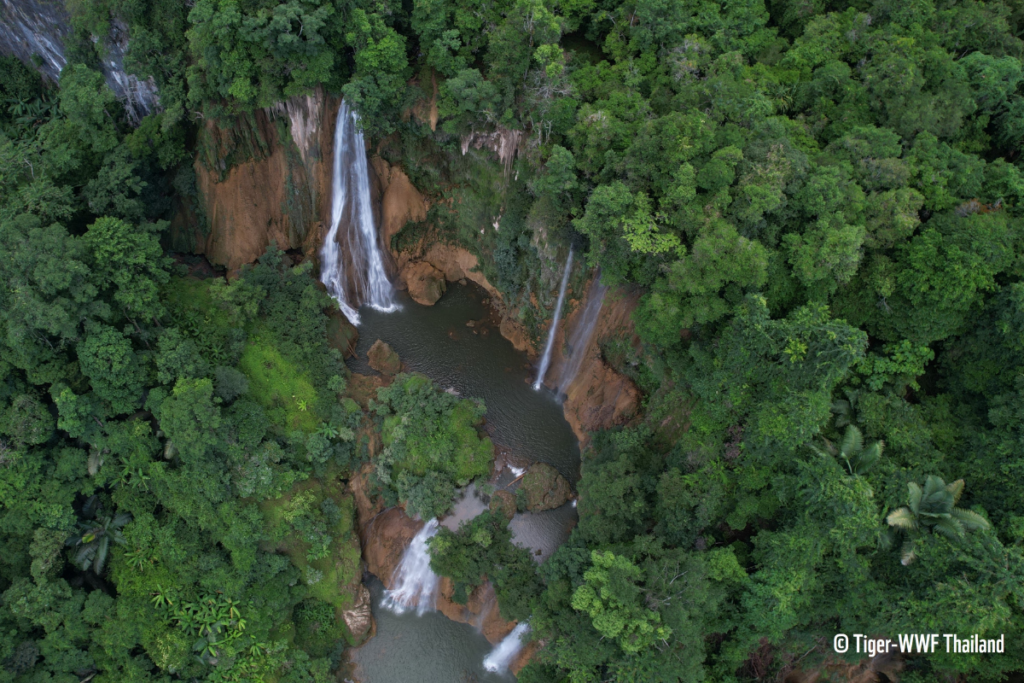
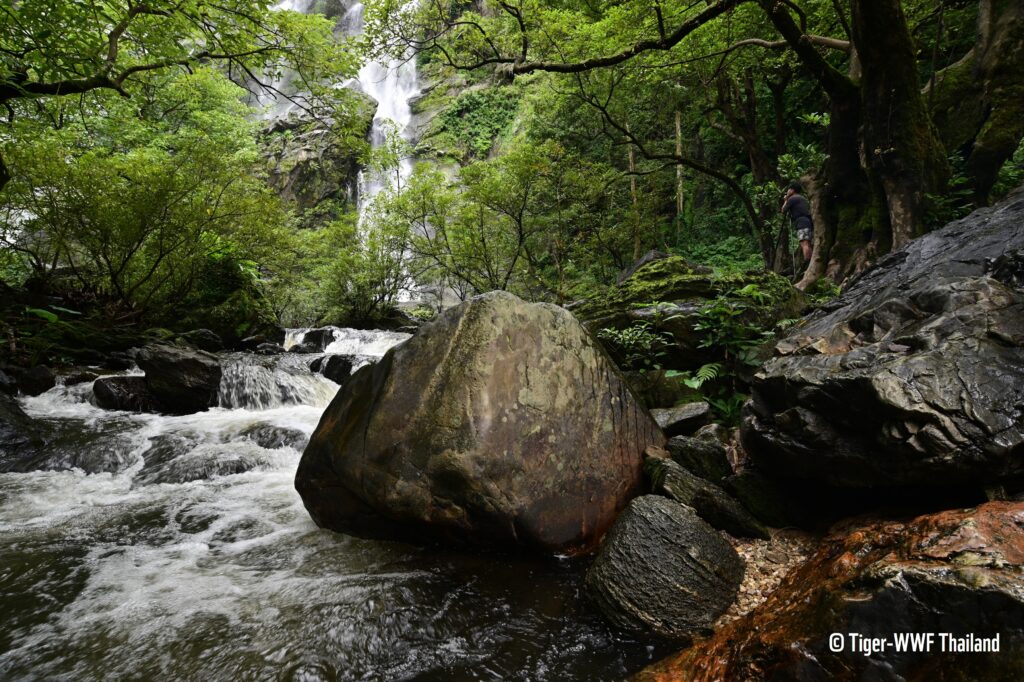
Yet the path to recovery is not simple. Wild cats still face critical threats: Declining prey populations, Fragmented habitats and weak connectivity, Poaching and illegal wildlife trade.
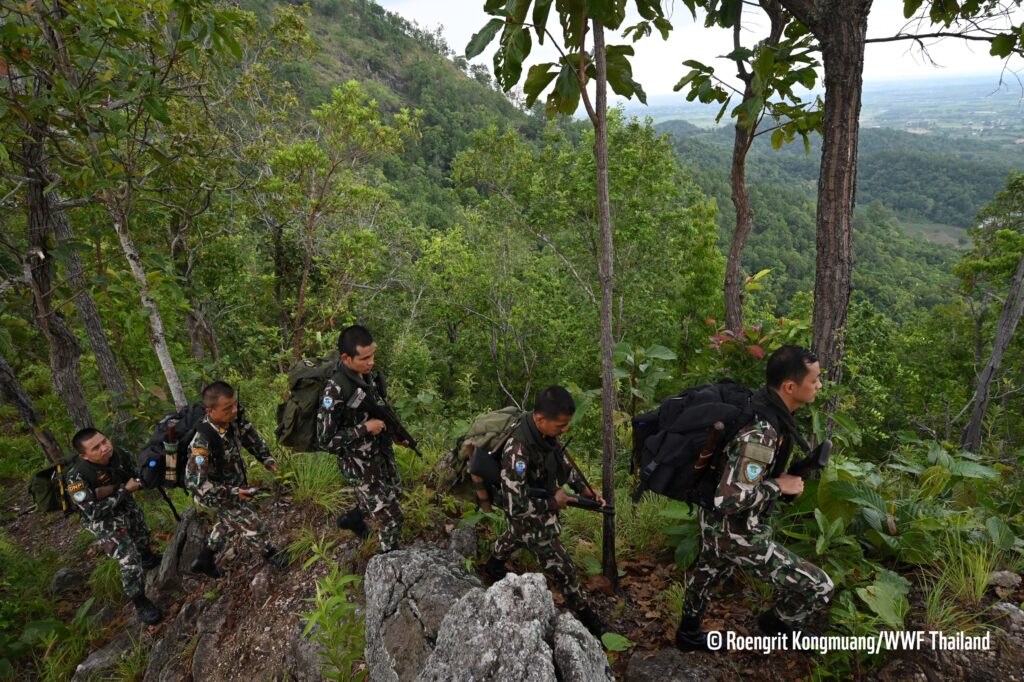
Together with protected area staff, communities, and conservation partners, we are working to rebuild the ecological foundation that wild cats need to thrive:
🌿 Restore prey populations and habitats
🤝 Strengthen community partnerships
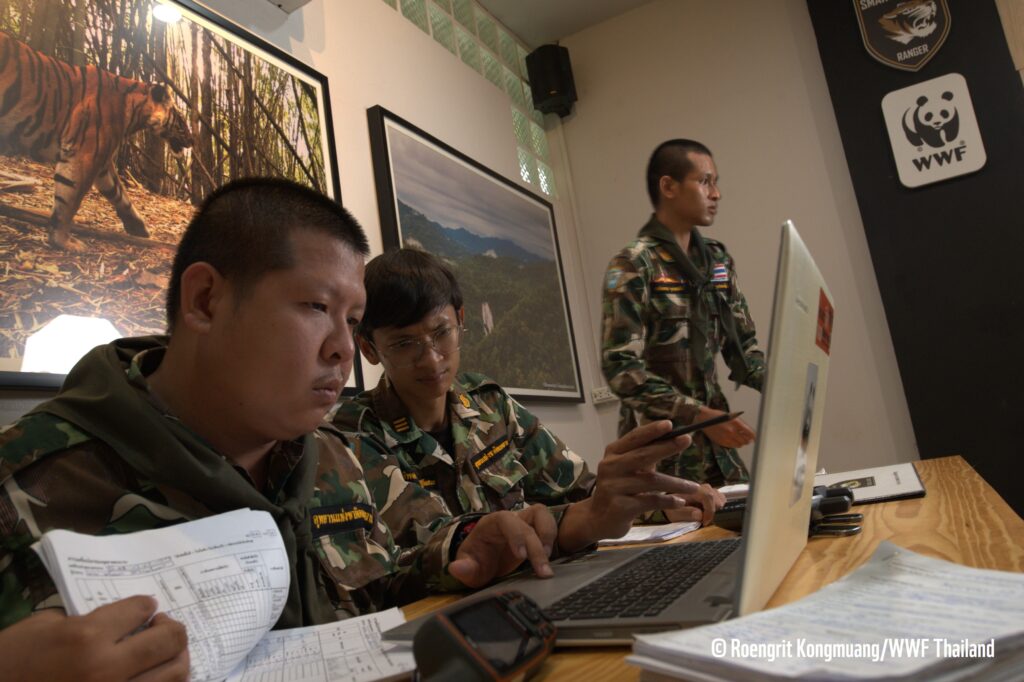
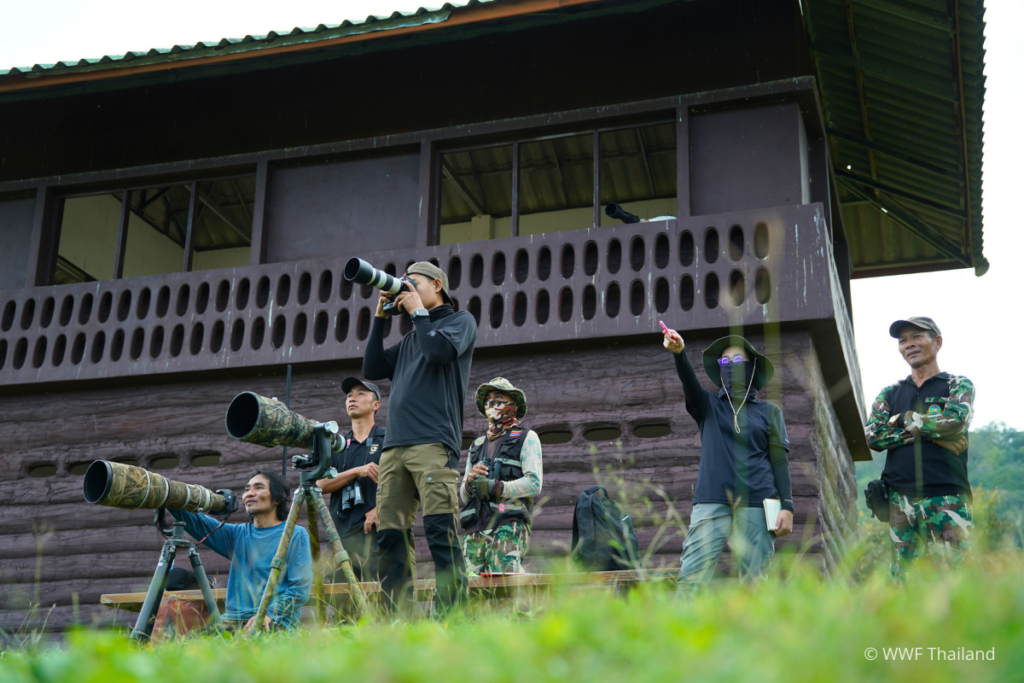
📊 Use science and monitoring to guide conservation
🛡 Improve protection and management of protected areas
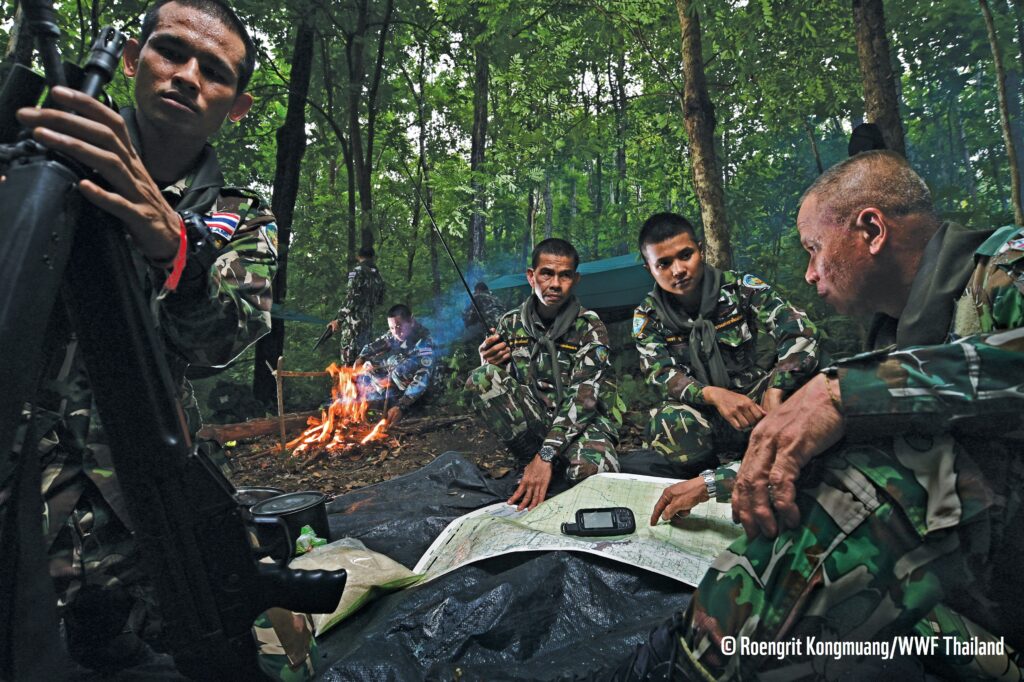
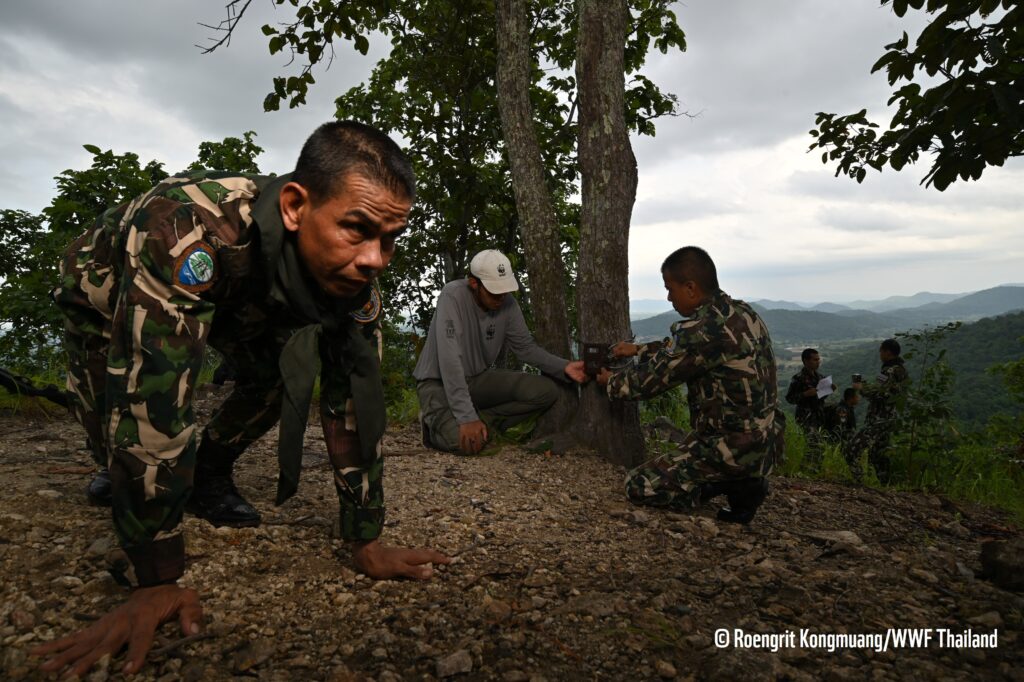
This effort supports Thailand’s national commitment under the Thailand National Action Plan for Tiger Conservation 2022–2034 to restore tiger populations beyond their current strongholds.
Because when tigers return…the forest comes alive again.
And when forests thrive, so do the people and wildlife who depend on them. 🌏🐅