● Marking its 20th anniversary, Earth Hour invites people around the world to “Switch Off…Give an Hour for Earth,” mobilising 60 minutes of collective action from individuals, businesses, and communities as part of “The Biggest Hour for Earth” to spark change toward a more sustainable future.
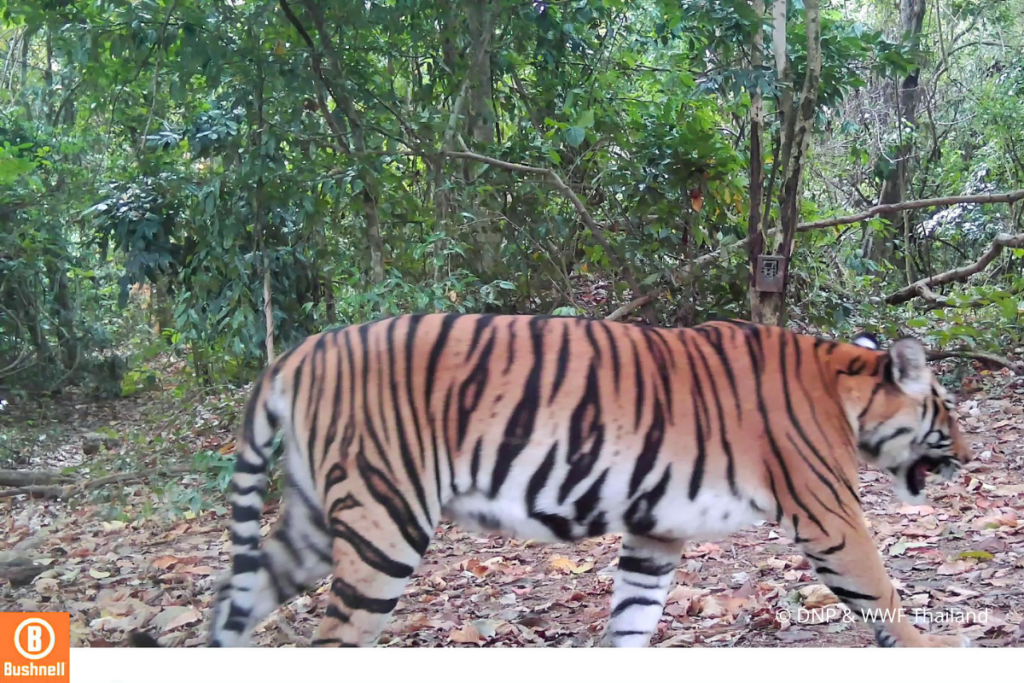
● The planet is facing a growing nature crisis. According to the Living Planet Report 2024, monitored global wildlife populations have declined by an average of 73% over the past 50 years—highlighting serious risks to ecosystems, economies, and global resource security.
● During Earth Hour, switching off lights can reduce electricity use in the capital by up to 32 megawatts within one hour—equivalent to cutting more than 13.5 tonnes of CO₂ emissions—demonstrating the power of collective action across the public, government, and private sectors.
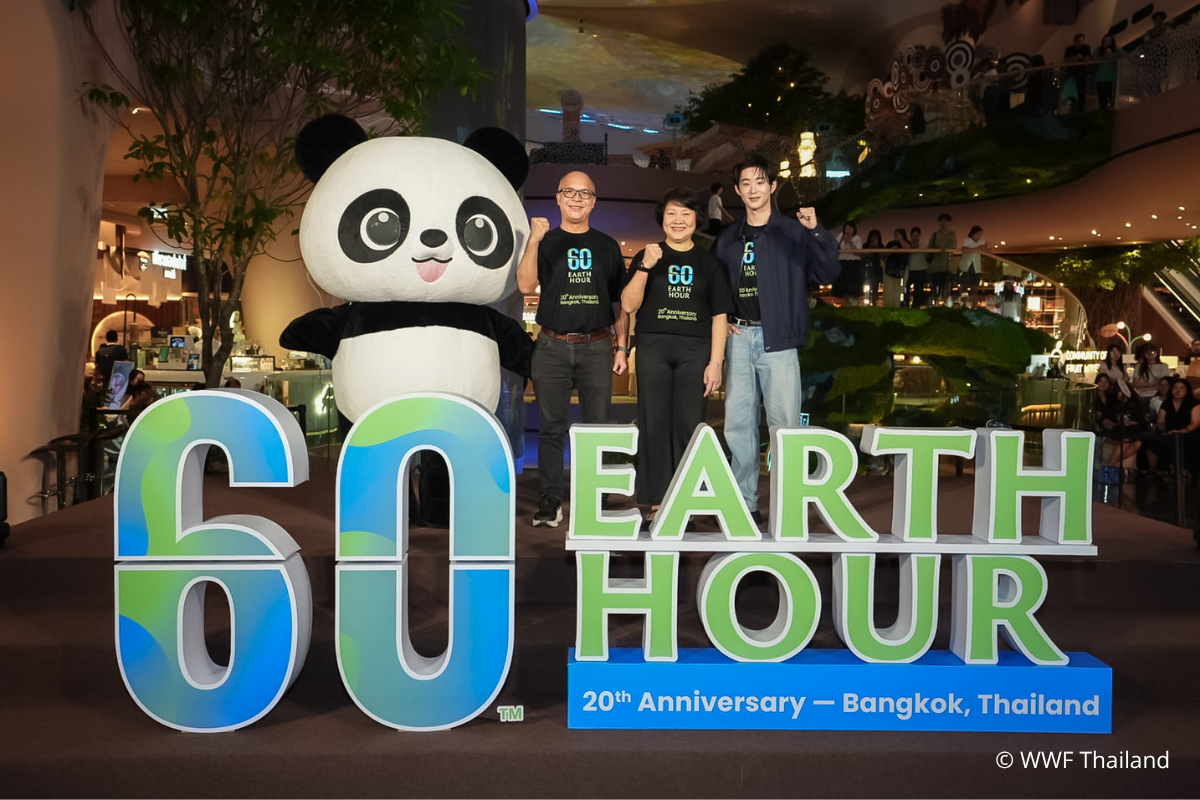
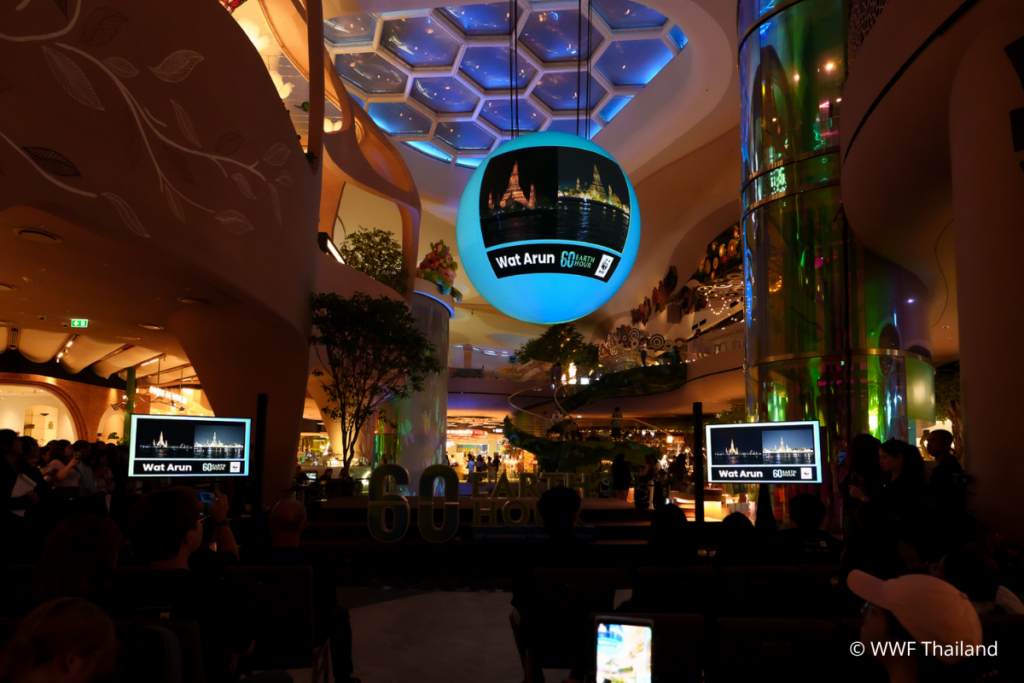
Bangkok, 28 March 2026 – World Wide Fund for Nature (WWF Thailand), in collaboration with Siam Piwat Group and Nextopia—the “city of the future” within Siam Paragon—along with business partners, is driving Earth Hour 2026, marking two decades of global environmental action. The campaign invites people, businesses, and communities worldwide to join “Give an Hour for Earth” by switching off non-essential lights for 60 minutes on 28 March 2026 at 8:30 PM local time.
This year, three iconic landmarks in Bangkok—Wat Arun Ratchawararam Ratchawaramahawihan, Giant Swing and Wat Suthat Thepwararam, and Wat Saket Ratchawora Mahawihan—joined the symbolic lights-off. The Metropolitan Electricity Authority reported that electricity uses in Bangkok decreased by 32 megawatts during the hour, compared to the previous Saturday (21 March 2026), equivalent to cost savings of 144,958 baht.
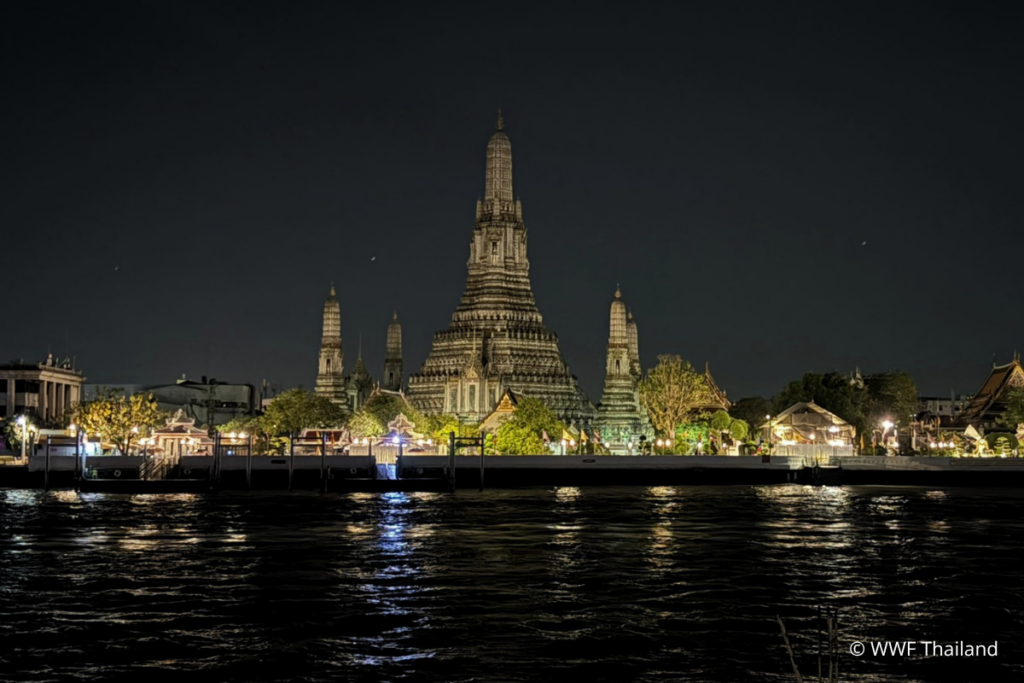
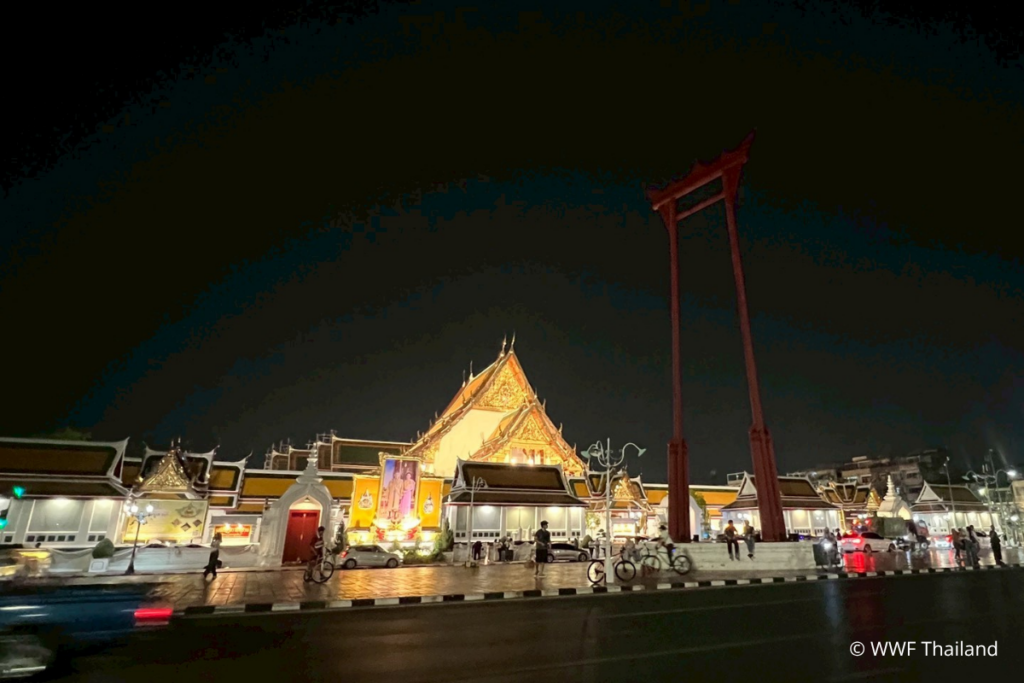
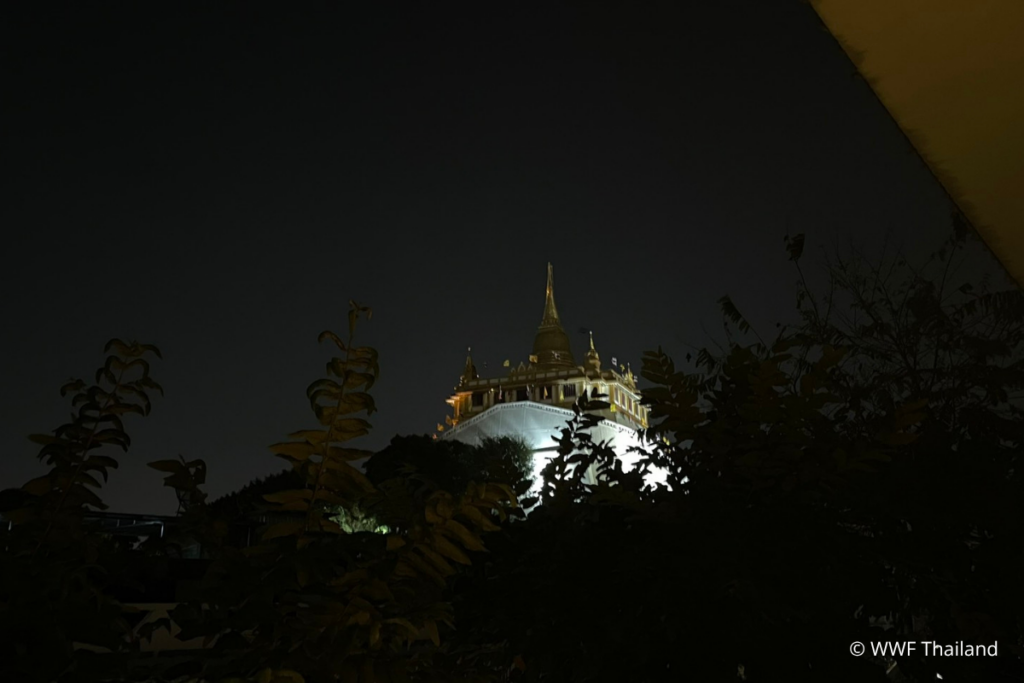
First launched in 2007 in Sydney, Earth Hour began with more than 2.2 million people and over 2,000 businesses switching off their lights to raise awareness of climate change. It has since grown into a global movement spanning more than 190 countries.
In 2026, WWF aims to make Earth Hour “The Biggest Hour for Earth,” encouraging participation across all sectors—individuals, businesses, and governments—to drive responsible energy use and accelerate the transition toward a greener economy.
This momentum comes amid escalating environmental challenges. The Living Planet Report 2024 highlights a 73% average decline in monitored wildlife populations between 1970 and 2020, underscoring alarming biodiversity loss and its implications for ecosystems, economies, and human well-being.
Mr. Rattapol Pitakthepsombat, (Acting for) Interim Chief Executive Officer of WWF Thailand, stated: “Electricity demand in Thailand continues to rise alongside urban and economic growth, directly contributing to greenhouse gas emissions. Earth Hour is more than a symbolic act—it shows how even small behavioral changes in energy use can create positive impacts. When scaled, these actions can support the transition to a low-carbon economy. This year, WWF invites everyone—individuals, communities, and businesses—to ‘Give an Hour for Earth’ through activities that reconnect people with nature and foster a culture of responsible energy use, an essential step toward long-term sustainability.”
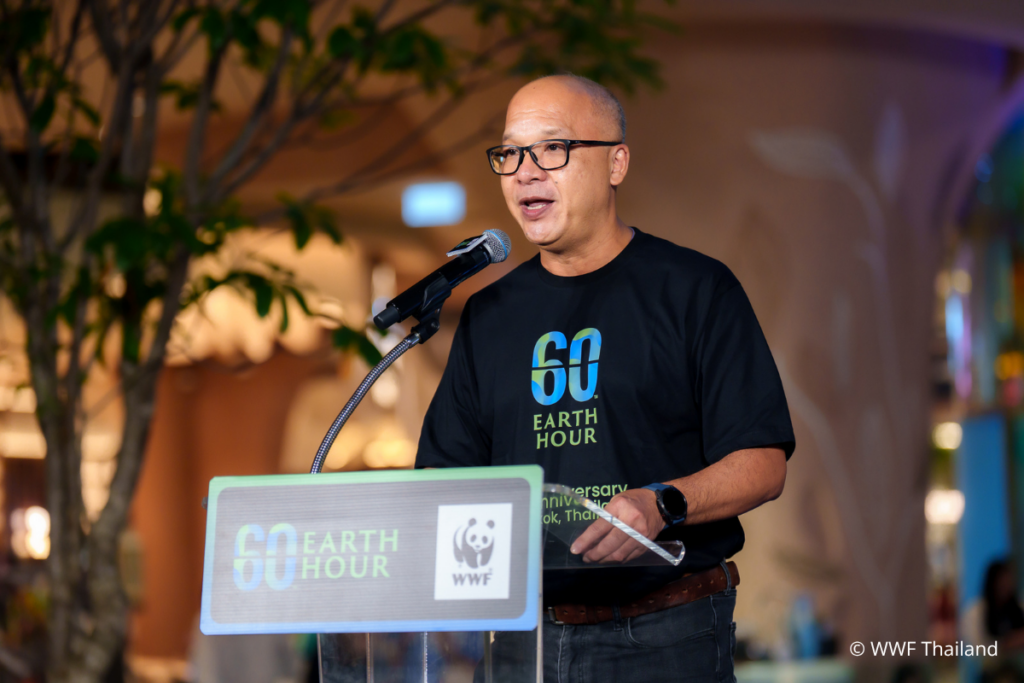
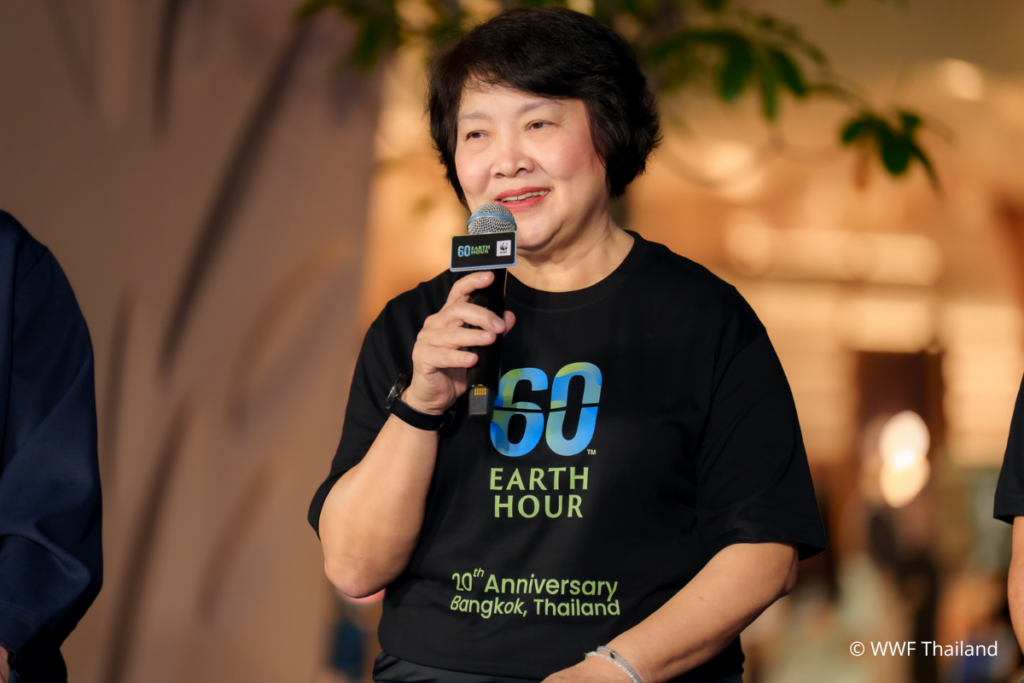
Activities in Thailand
In Thailand, Earth Hour activities took place at Nextopia in Siam Paragon from 24–29 March 2026, offering public engagement through lifestyle-driven environmental experiences across six themes: Food, Fitness & Wellness, Entertainment, Arts & Creativity, Sustainability, and Nature.
Activities included nature documentaries such as One Planet, Jungles, and Forests; creative workshops like DIY keychains, plantable seeds, and matcha sessions; and children’s activities such as wildlife-themed sticker books featuring species from the Tenasserim Corridor. Energy-focused experiences—such as energy bicycles and kinetic floors—allowed participants to generate power through movement, reinforcing the idea that every unit of energy matters and change can begin with everyday actions.
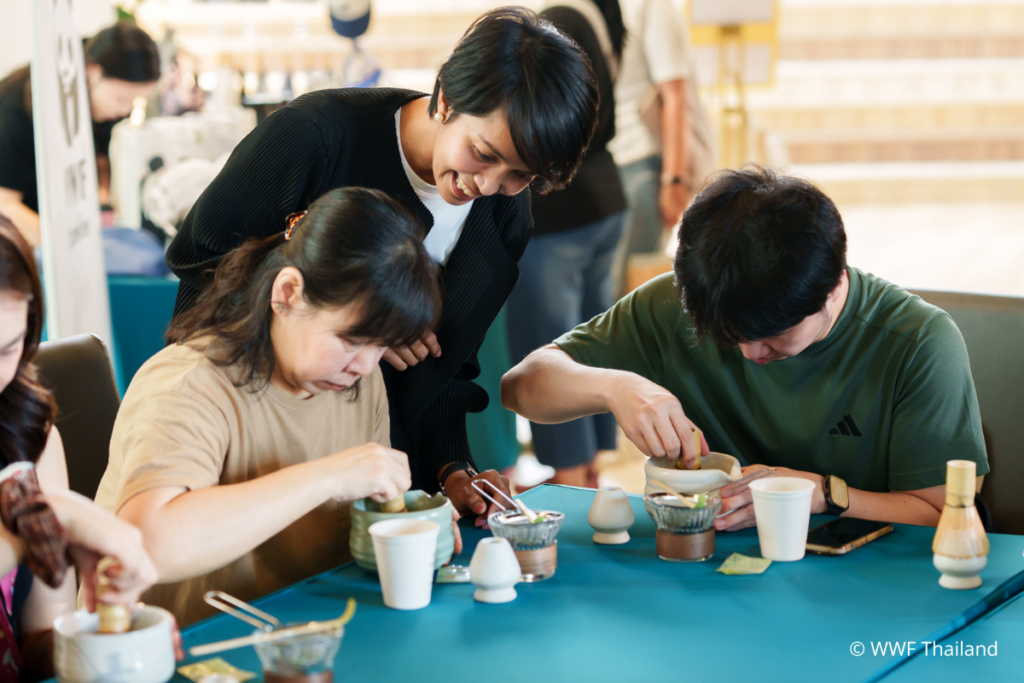
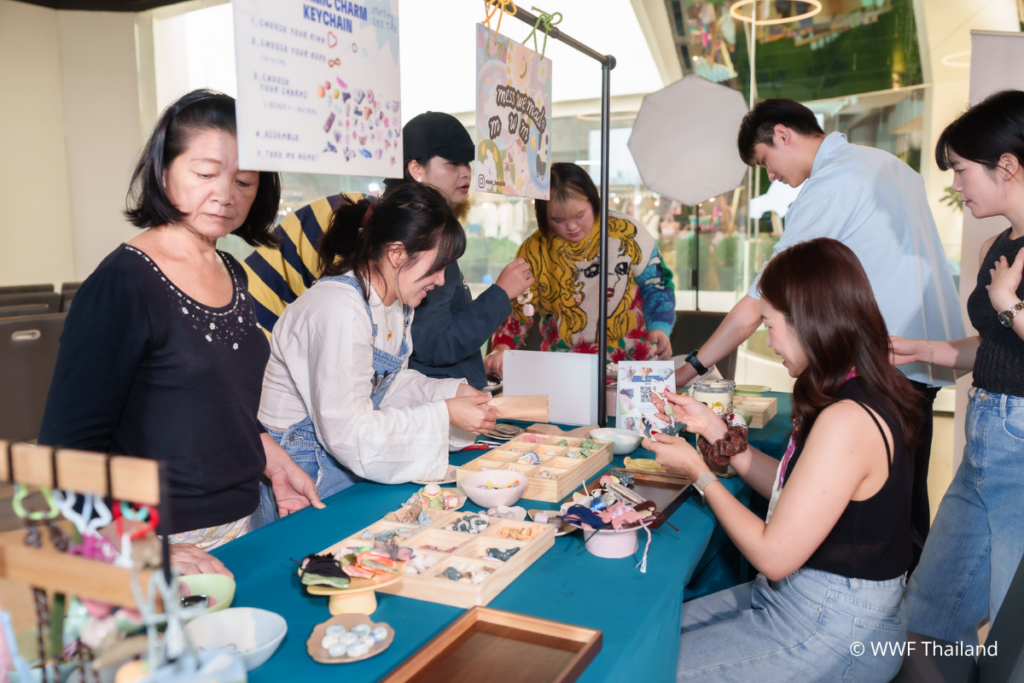
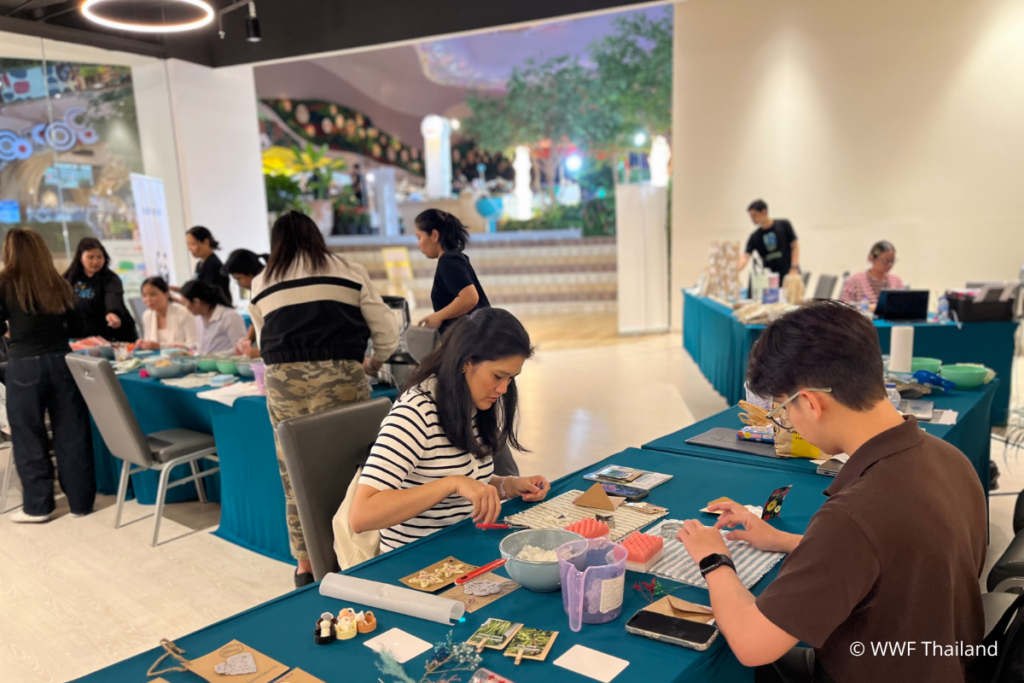
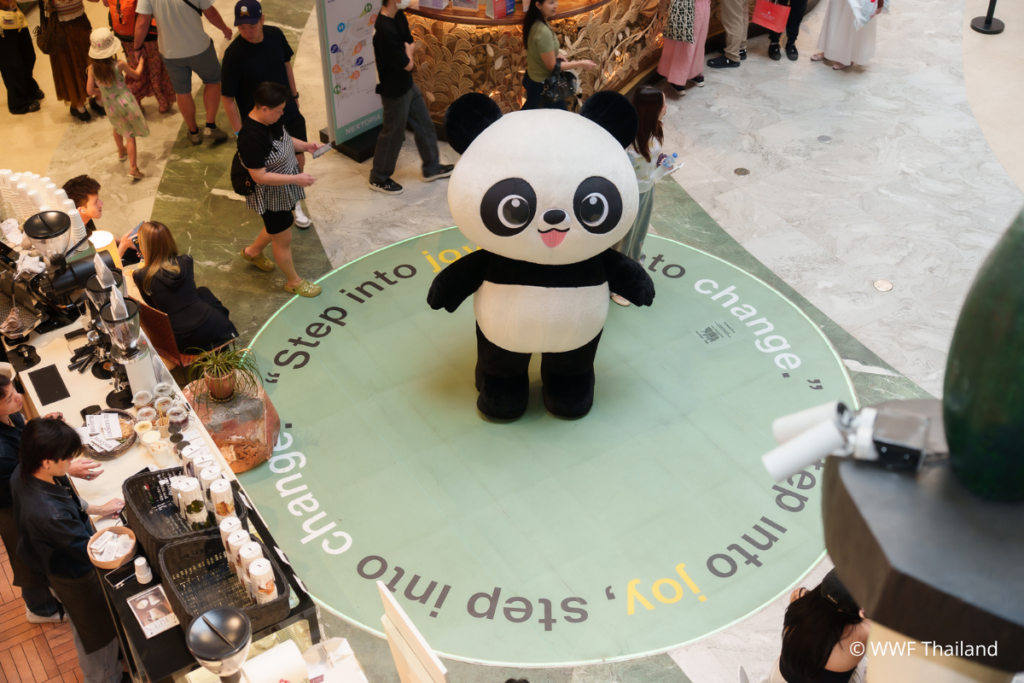
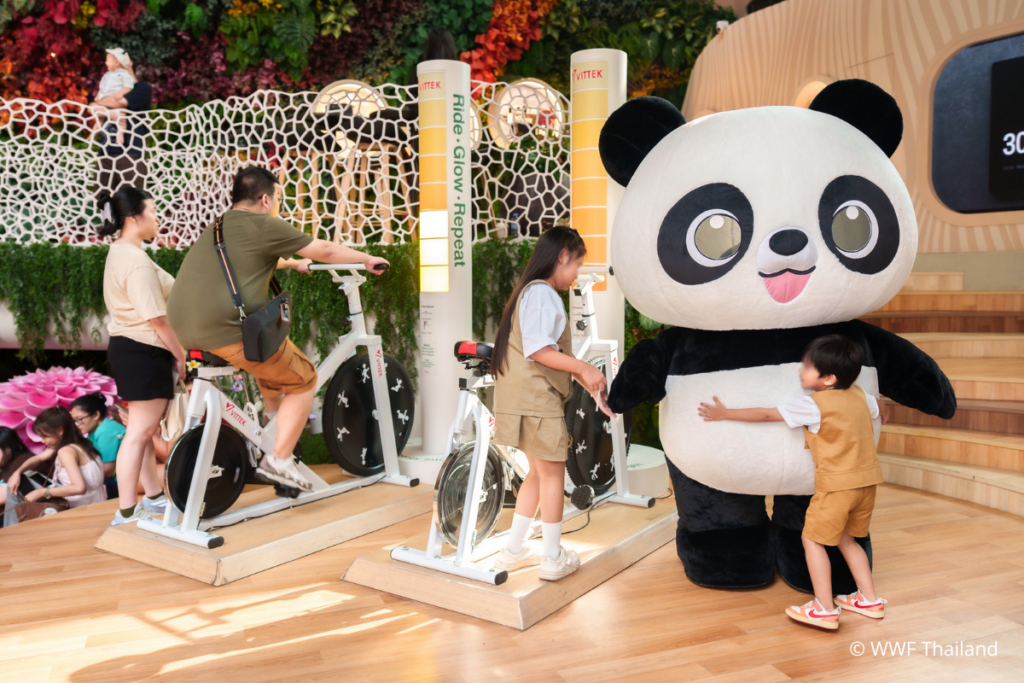
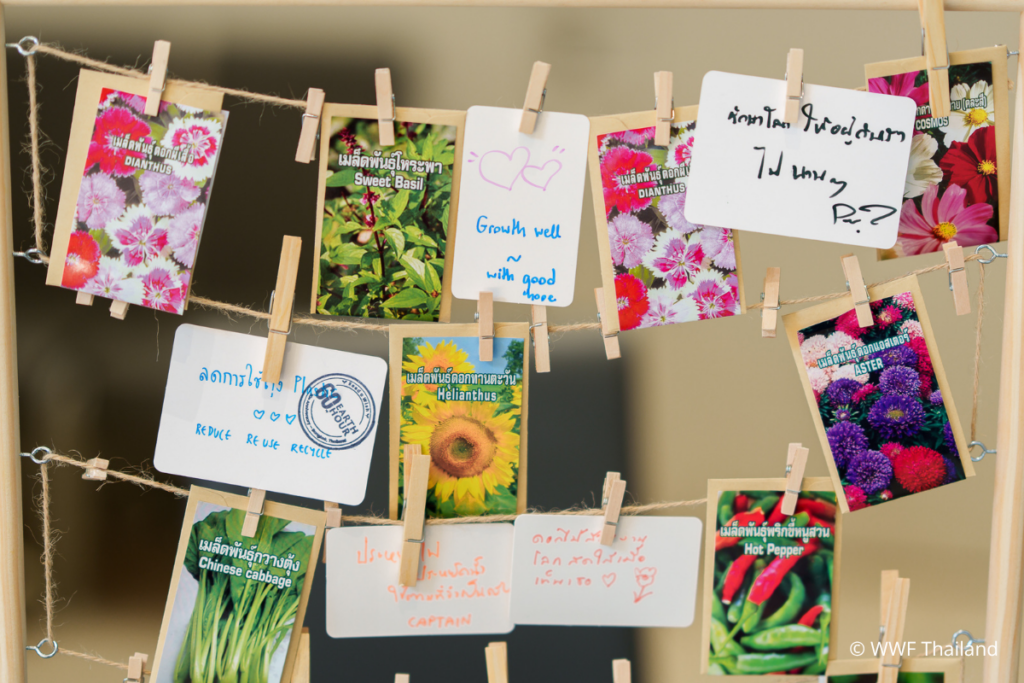
The highlight took place on 28 March at 8:30 PM, when participants and partners joined the global lights-off moment for one hour, demonstrating collective commitment to protecting the planet. The event also featured panel discussions on cross-sector collaboration in environmental conservation and was energised by Est Supha Sangaworawong, who inspired especially younger audiences to see environmental action as part of daily life.
Naratipe Ruttapradid, Chief Operating Officer, Siam Piwat Company Limited, added: “This year’s Earth Hour goes beyond the symbolic switch-off. Together with WWF, we are hosting ‘Give an Hour for Earth’ at Nextopia, a future-forward space within Siam Paragon designed with sustainability in mind. Certified with EDGE Advanced for energy efficiency and Fitwel 2-star for health and well-being, it demonstrates how world-class retail spaces can integrate sustainability while supporting tangible progress toward sustainable development goals.”
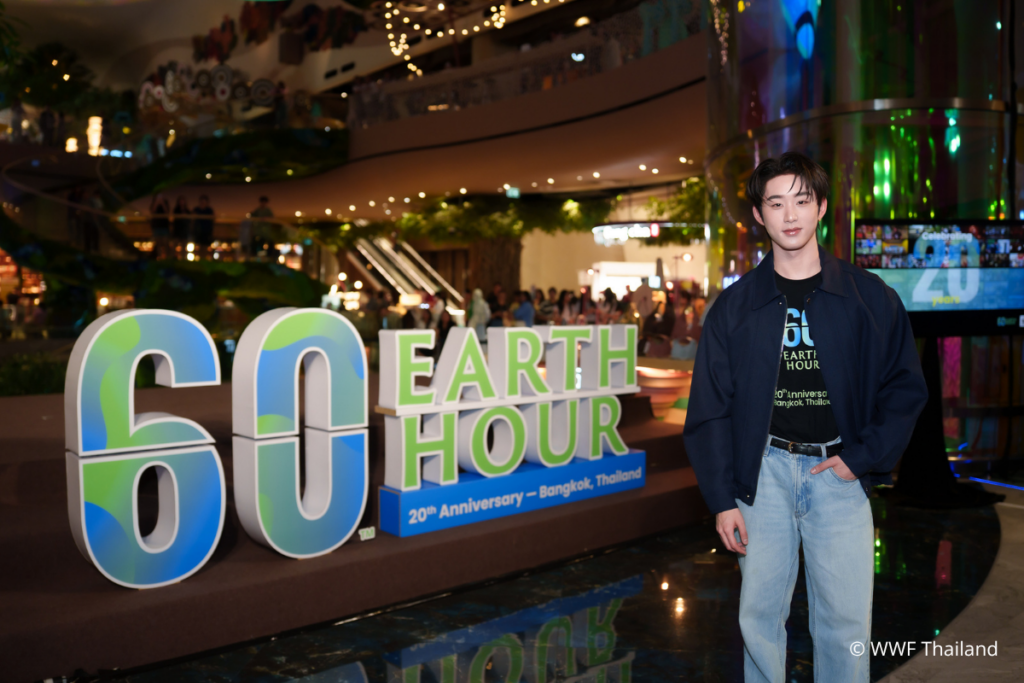

“Switching off the lights for one hour may seem small, but when people, businesses, and cities around the world act together, the impact can be transformative. Earth Hour is not just symbolic—it is a starting point for long-term behavioral change and a platform for collective action to protect our planet. A sustainable future depends on all of us,” Mr. Rattapol concluded.
Over the past 20 years, Earth Hour has become a global platform for individuals and communities to show support for environmental protection—reconnecting people with nature through learning, creativity, and meaningful action. WWF Thailand extends its thanks to Siam Piwat Group, Siam Paragon, and Nextopia for hosting the event, as well as Nestlé Thailand and TCP Group for their support.