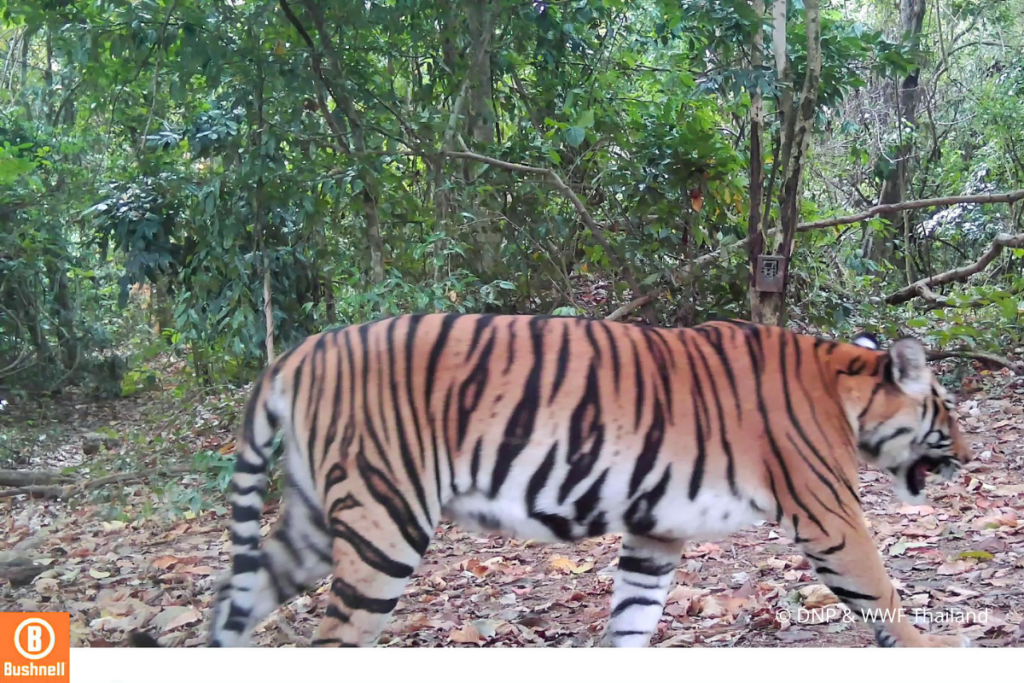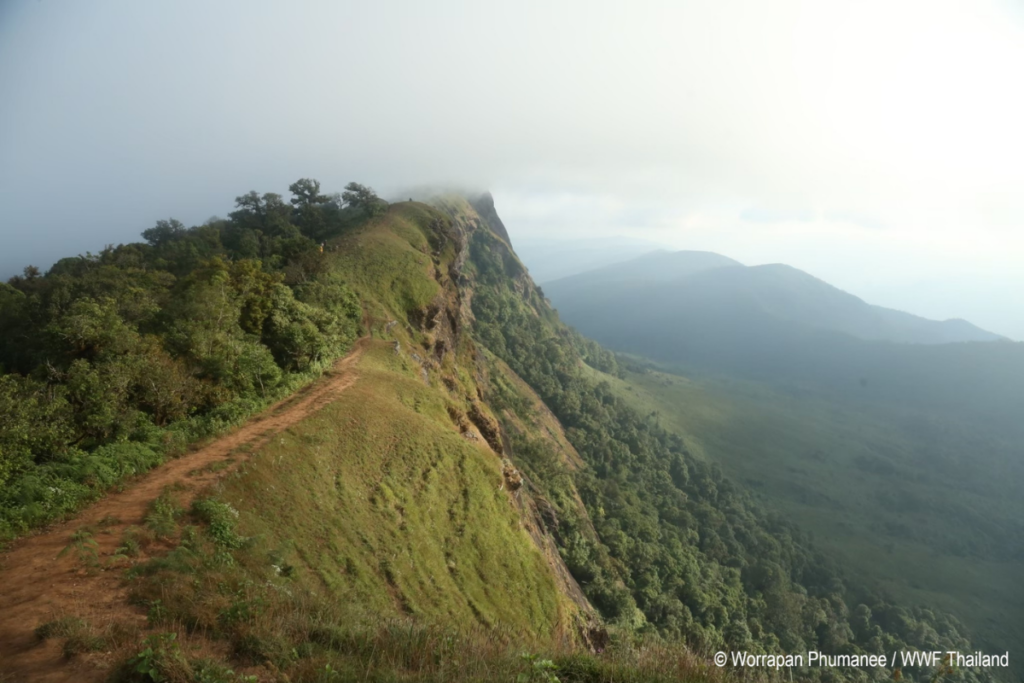
Thailand stands out as a rare conservation success story in Southeast Asia. Today, it is home to the only growing tiger population in mainland Southeast Asia—while neighboring countries like Cambodia, Lao PDR, and Vietnam, have lost their tigers entirely.
Over the past decade, WWF Thailand has been working hand in hand with with the Department of National Parks, Wildlife and Plant Conservation (DNP) to support tiger recovery across the Western Forest Complex (WEFCOM).
And the results are clear: tiger recovery is possible.
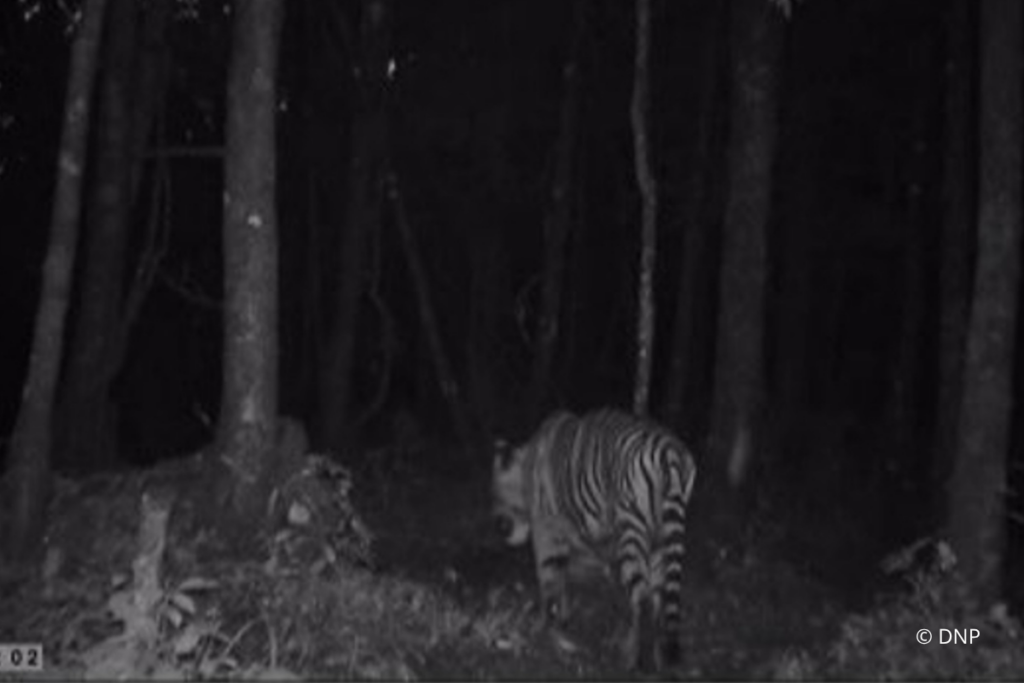
Today, these forests support one of the most important tiger populations in Southeast Asia. But the future of wild cats cannot depend on a single stronghold.
To truly secure their future, tigers must reclaim forests beyond their current range.
The journey is now expanding to the Mae Ping–Omkoi Forest Complex — a vast and promising landscape with enormous potential for the recovery of tiger and other wild cats.
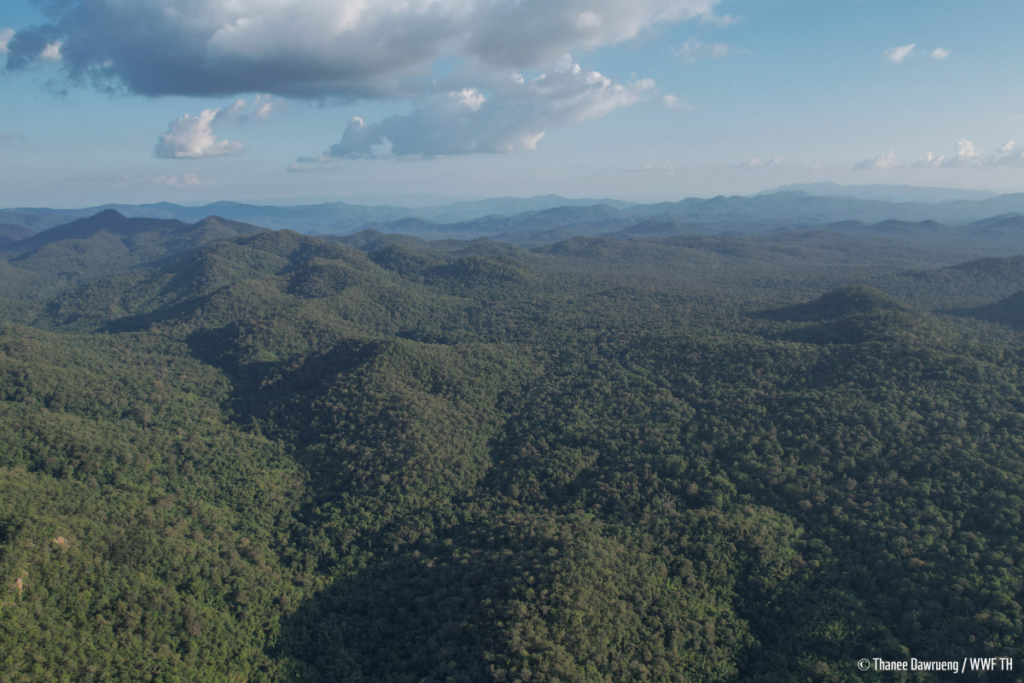
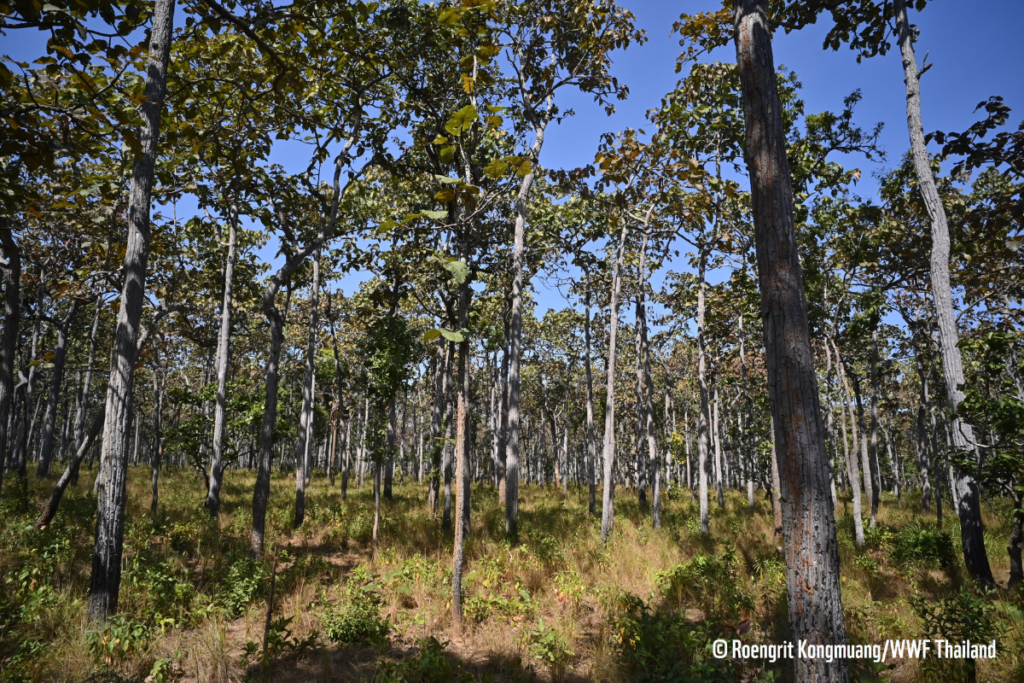
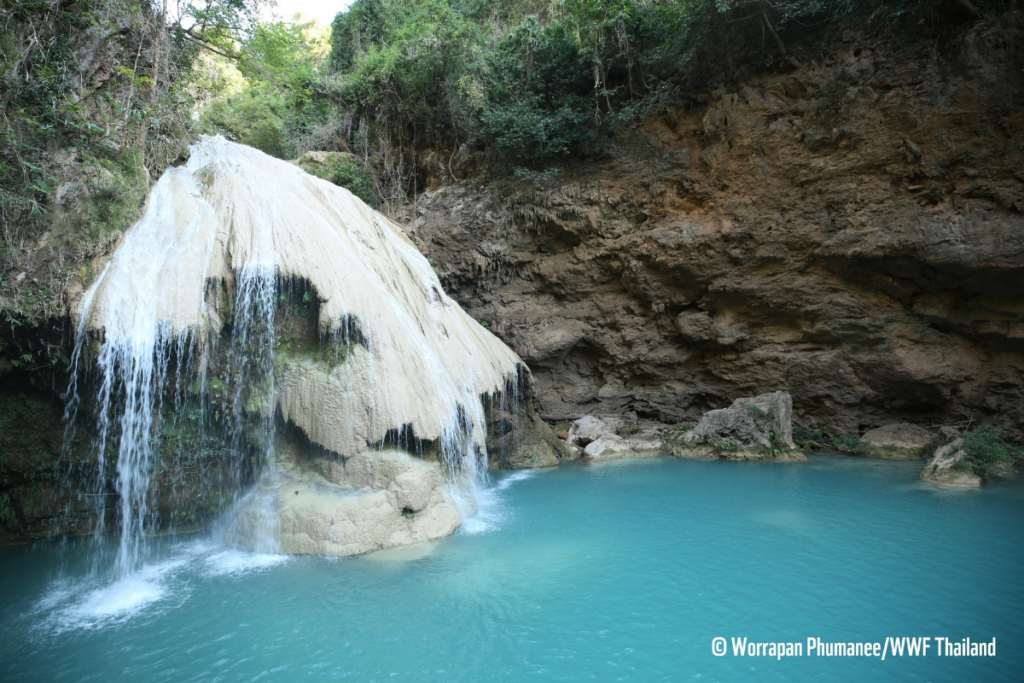
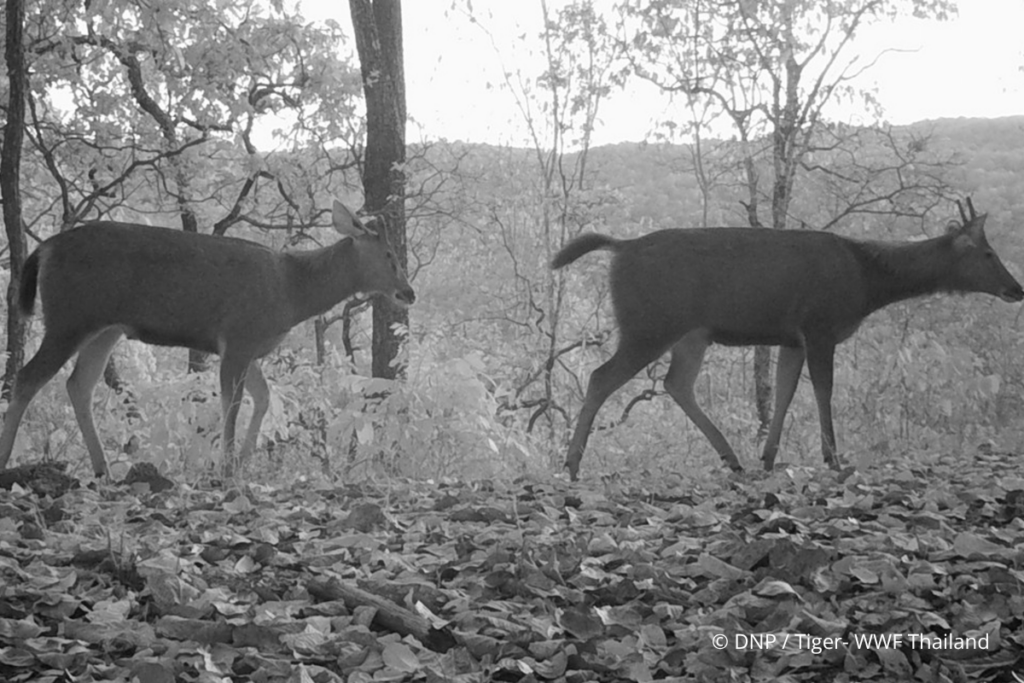
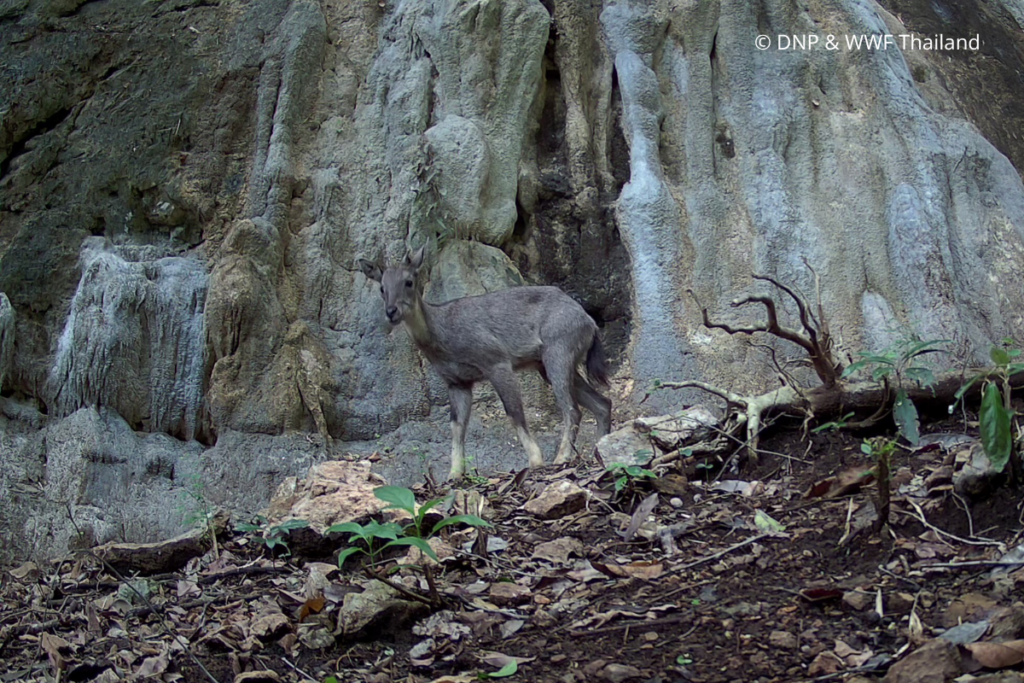
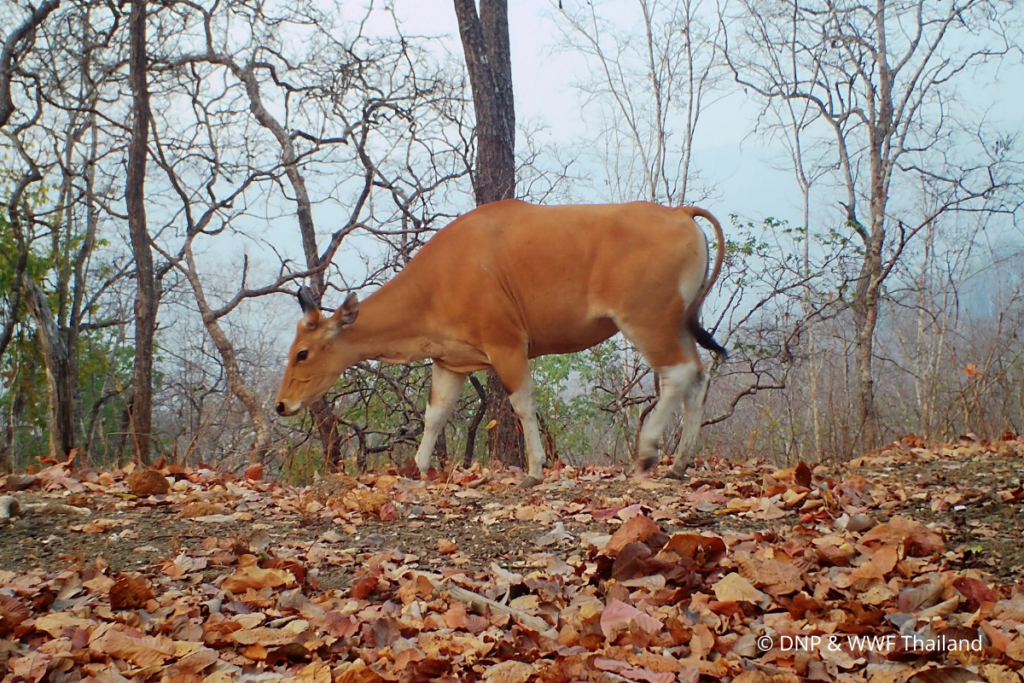
By strengthening protected area management, enhancing wildlife protection, rebuilding healthy prey populations, and working closely with local communities to raise awareness and participation, WWF Thailand, and its partners are working to create the conditions for wild cats to expand their range northward from WEFCOM.
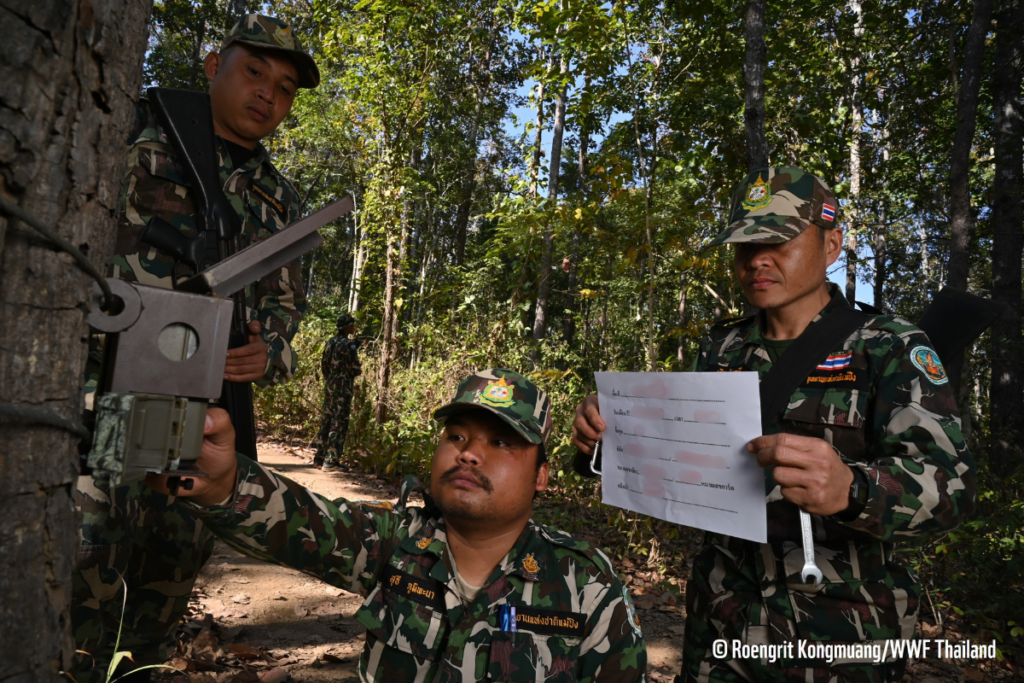
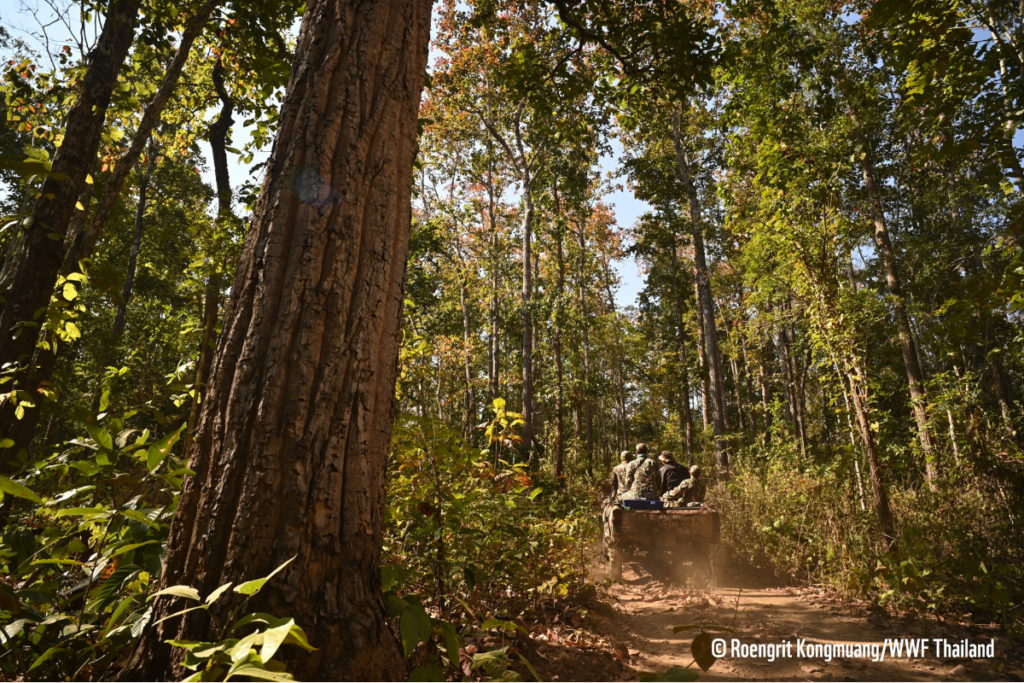

If successful, this effort could open the door for tigers and wild cats to reclaim millions of hectares of forest habitat across northwestern Thailand and into neighboring Myanmar—one of the most promising landscapes for tiger recovery in the world.
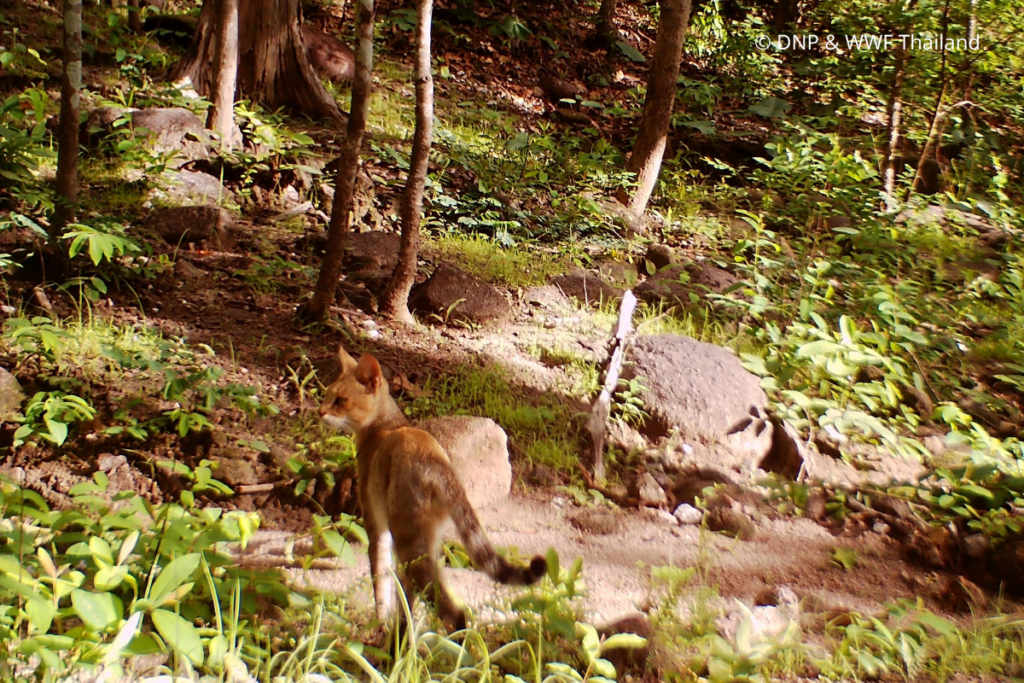
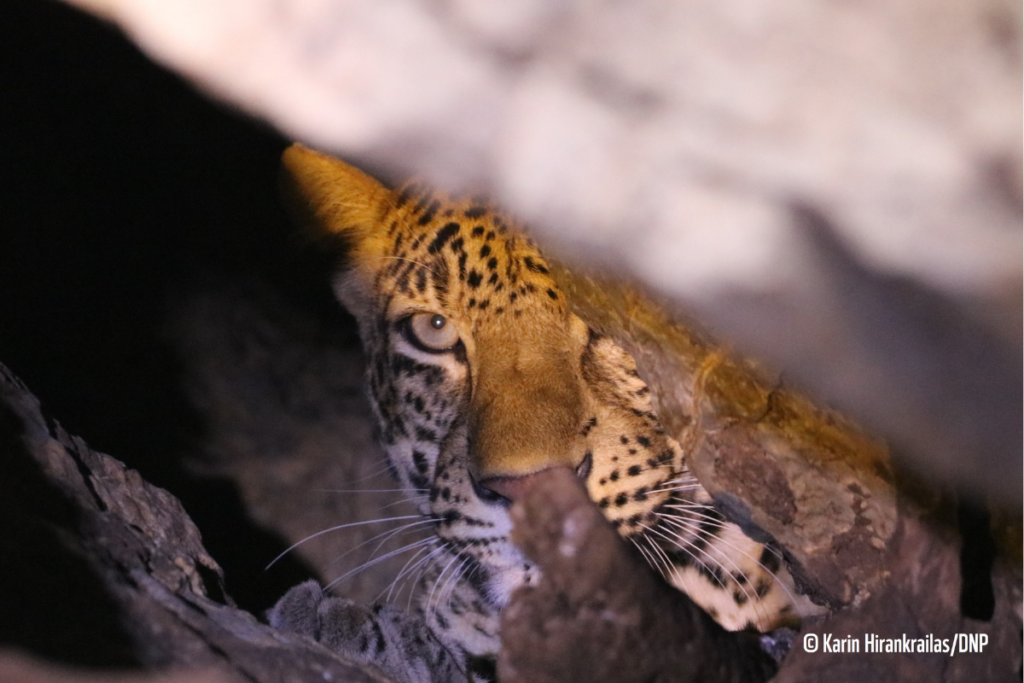
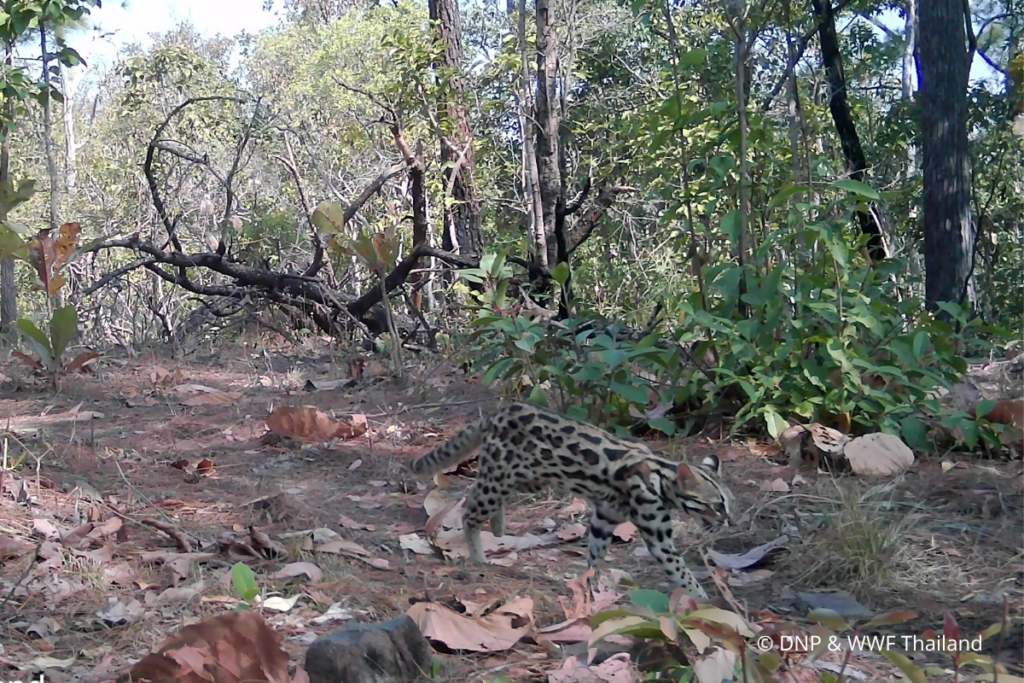
The more tigers and wild cats expand their range, the more nature returns to balance and abundance.🌳🐾